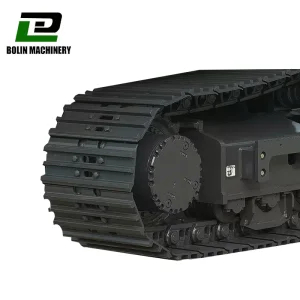
The global hydraulic track components market is currently experiencing a transformative phase, driven by the massive expansion of infrastructure projects in Asia-Pacific and North America. As the backbone of heavy machinery, these components are essential for excavators, drilling rigs, and mining equipment, with a market valuation reaching billions of dollars annually.
Technological convergence is the leading trend. We are seeing a shift toward "Smart Hydraulics"—incorporating IoT sensors into track assemblies and valve blocks for real-time health monitoring. Additionally, there is a significant move toward eco-friendly, high-efficiency systems that reduce fuel consumption in heavy engineering applications.
The use of advanced materials like 7075 Aluminum and specialized galvanized steel has become the industry standard. These materials offer superior strength-to-weight ratios, ensuring that crawler assemblies can withstand the extreme pressures of 60-ton drilling operations while maintaining corrosion resistance.
In the world of mechanical engineering, a failure in a hydraulic valve block or a travel motor isn't just a repair issue—it's a massive operational bottleneck. Global procurement teams now prioritize reliability and proven track records over the lowest price point.
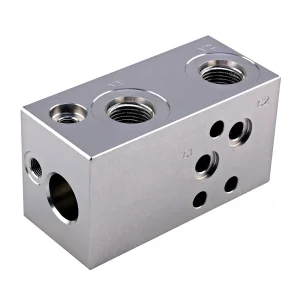
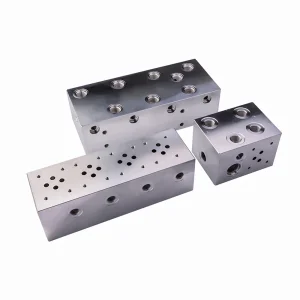
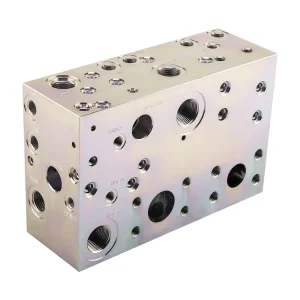
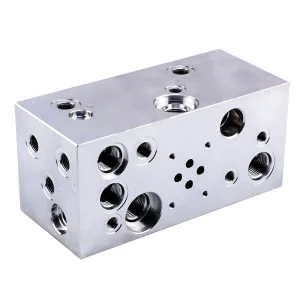
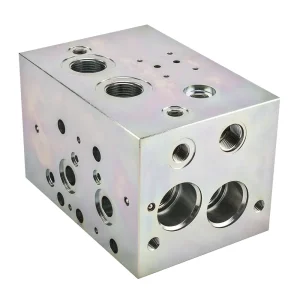
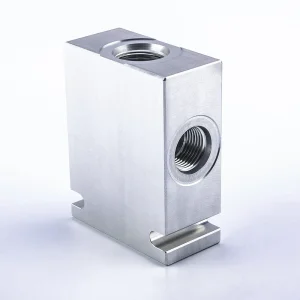
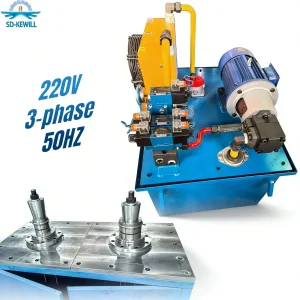
Modern machinery requires bespoke solutions. Our CNC milling capabilities allow for customized hydraulic manifolds that integrate perfectly with existing power units, reducing fluid friction and heat generation.
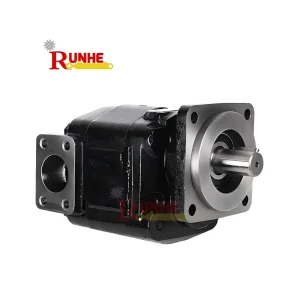
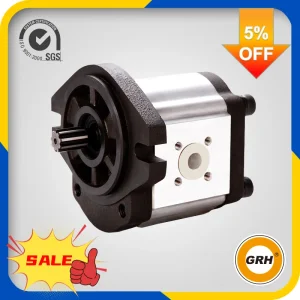
Every component, from gear pumps to track assemblies, undergoes rigorous high-pressure testing (16-35MPa) to ensure compliance with international safety and performance standards like ISO and CE.
From the arid mining fields of Australia to the humid construction sites of Southeast Asia, our components are designed with localized application scenarios in mind, utilizing specialized seals and coatings.
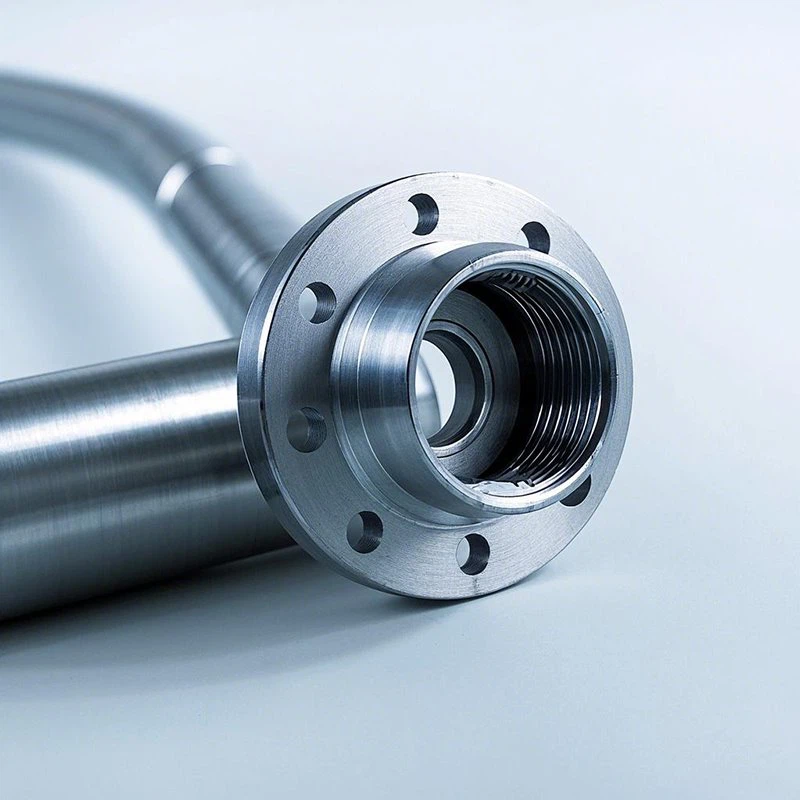
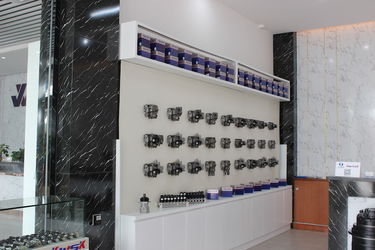
Global buyers are looking for more than just a part; they are looking for a supply chain partner. Critical needs include short lead times, consistent quality (minimizing warranty claims), and technical support. Purple Horn addresses these by maintaining a vast inventory and a rapid-response engineering team.
Why source from China? The integration of advanced CNC technology with a massive raw material supply chain allows us to offer German-level precision at a significantly more competitive price point. We bridge the gap between "high cost" and "low quality" by focusing on high-end cost-effectiveness.
As we look toward the next decade, the Hydraulic Track Components industry is poised for a digital revolution. The concept of "Digital Twins" in manufacturing is becoming a reality. Factories are now able to create virtual replicas of hydraulic manifolds to simulate fluid dynamics before a single piece of aluminum is cut. This level of precision reduces waste and ensures that the final product is optimized for the specific machinery it will serve.
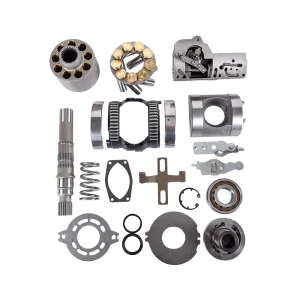
Sustainability is also a major driver. Hydraulic systems are being re-engineered to operate with biodegradable fluids, and manufacturers are focusing on the circular economy—producing repair kits that extend the life of high-pressure pumps and motors rather than replacing them entirely. This shift is not only better for the environment but also provides significant cost savings for end-users in the mining and construction industries.
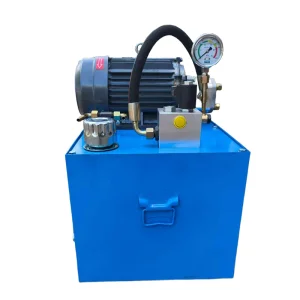
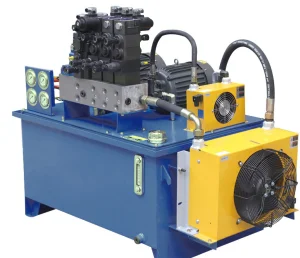
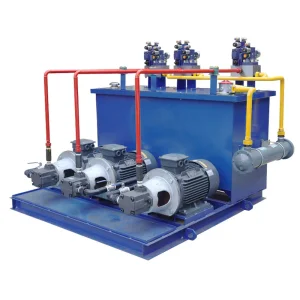
Globally, the competition among the "Top 10" manufacturers is shifting from pure manufacturing capacity to "Solution Engineering." It is no longer enough to just sell a valve block; the leading factories of tomorrow must provide integrated systems that include the power unit, the valve assembly, and the electronic control interface. Purple Horn is already ahead of this curve by partnering with global leaders from Japan and Germany to integrate the best international technologies with Chinese manufacturing efficiency.
Furthermore, localization is becoming more granular. Procurement managers are increasingly looking for components that can handle specific regional challenges—such as the high-salinity environments of coastal infrastructure projects or the sub-zero temperatures of Arctic mining. By utilizing diverse materials like 6061 and 7075 aluminum alongside specialized steel alloys, our factory is able to provide tailored solutions for every corner of the globe.
 Aksurion Hydraulic