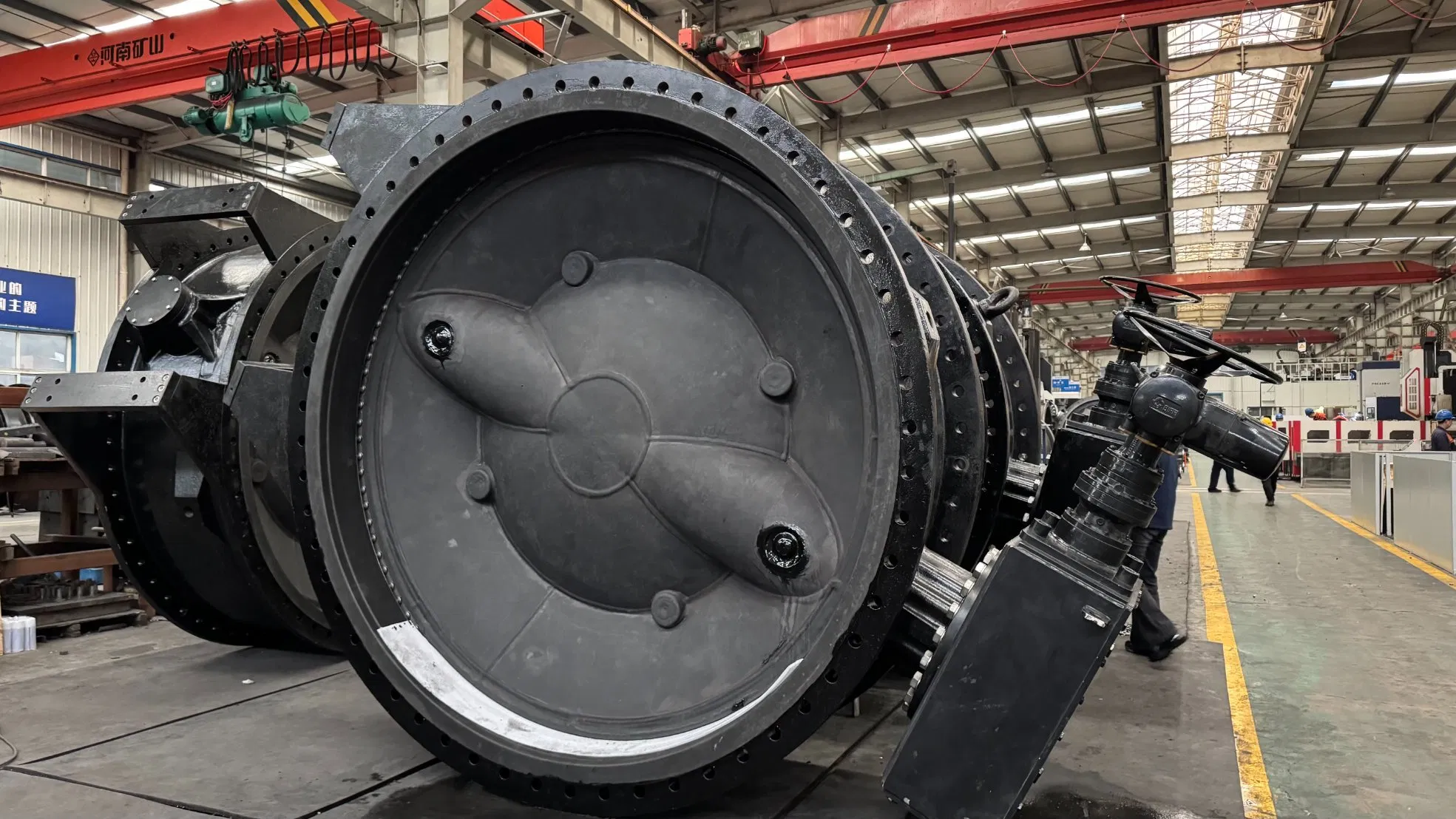
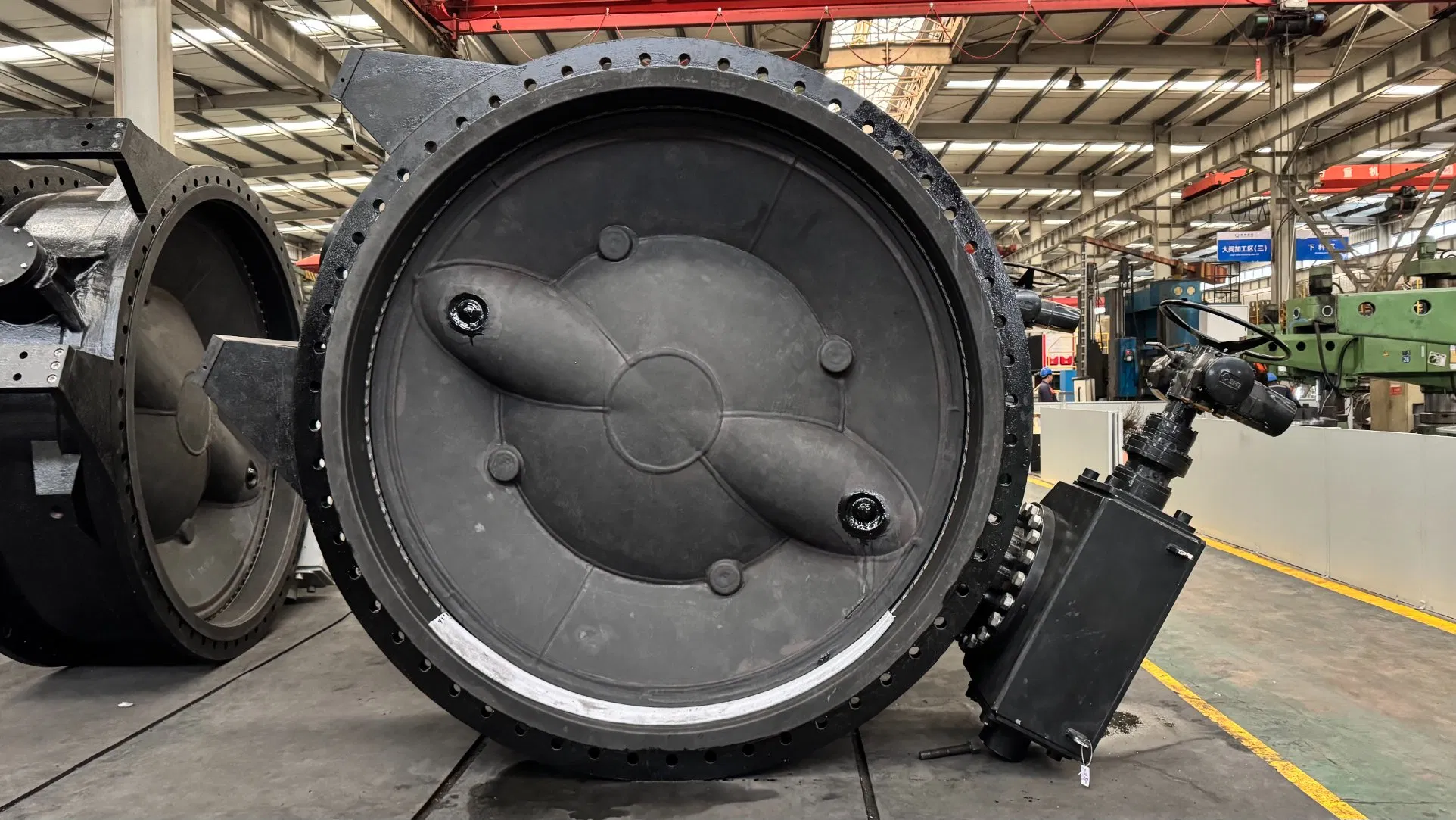
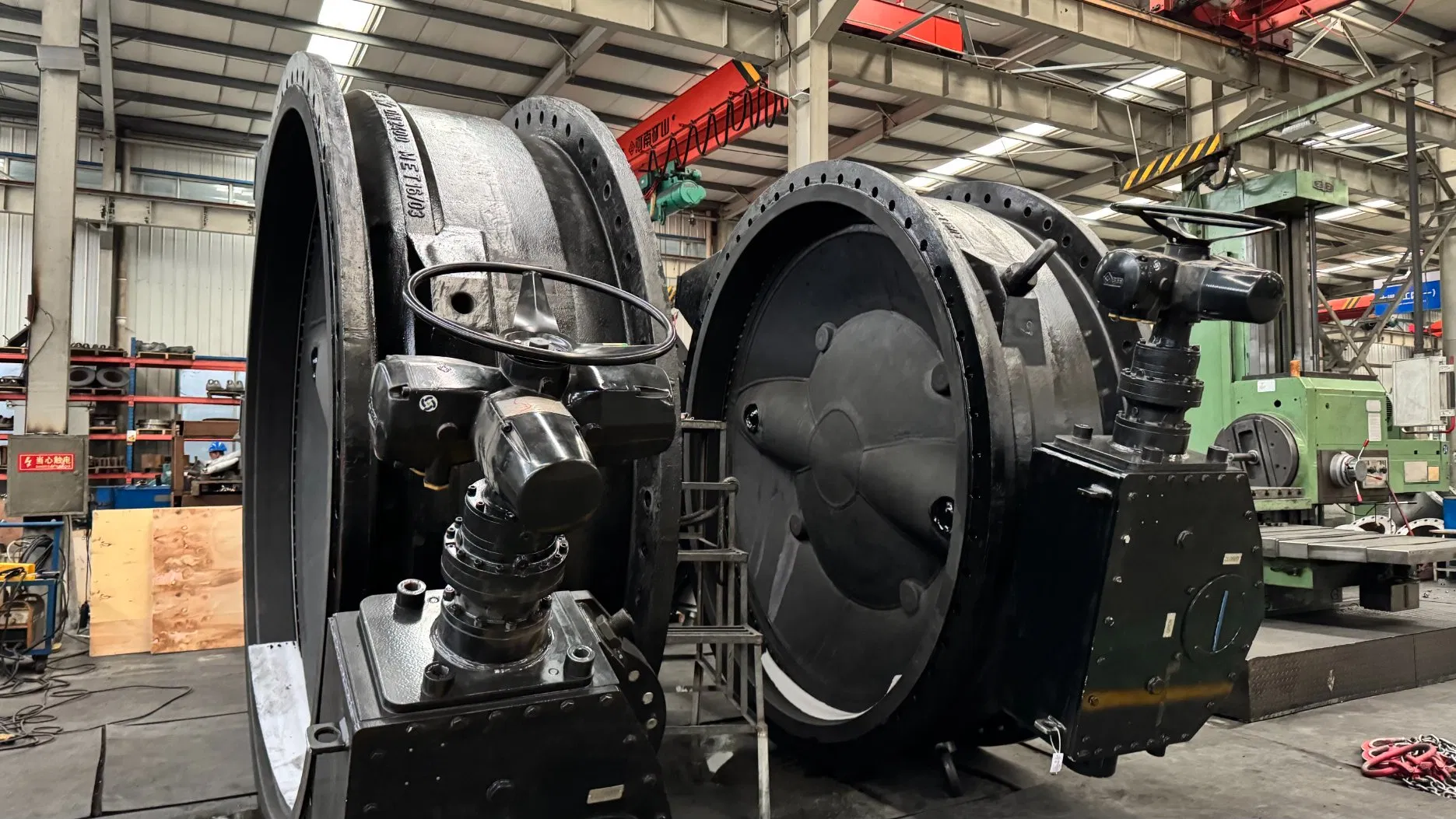
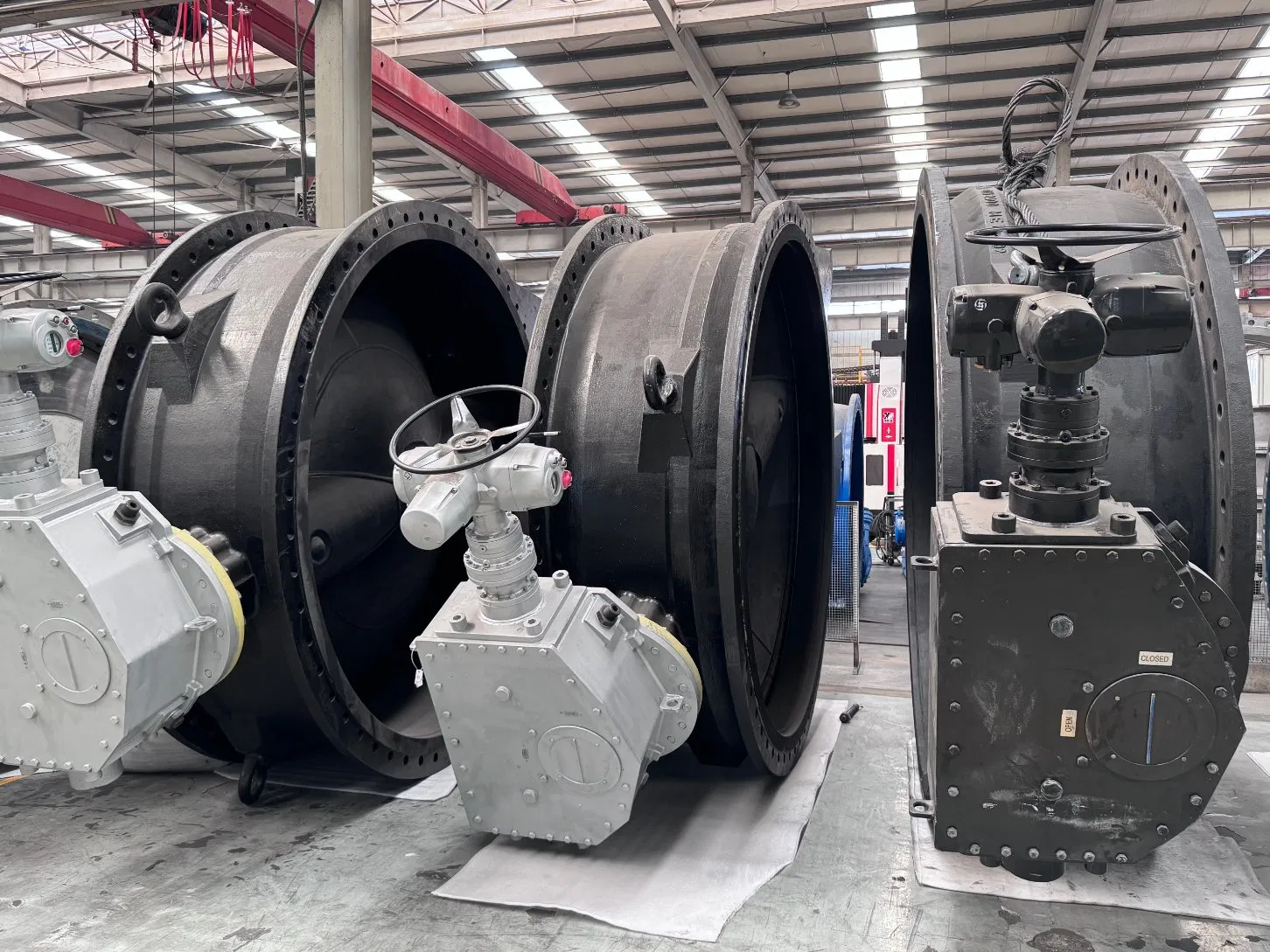
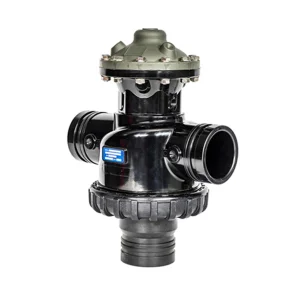
Premium Rubber Soft-Sealed Butterfly Valve for Enhanced Flow Control

Customization: Available
Media: Water
Driving Mode: Manual

Product Description

Basic Information
Model NO.
D371TC-150C
Connection Form
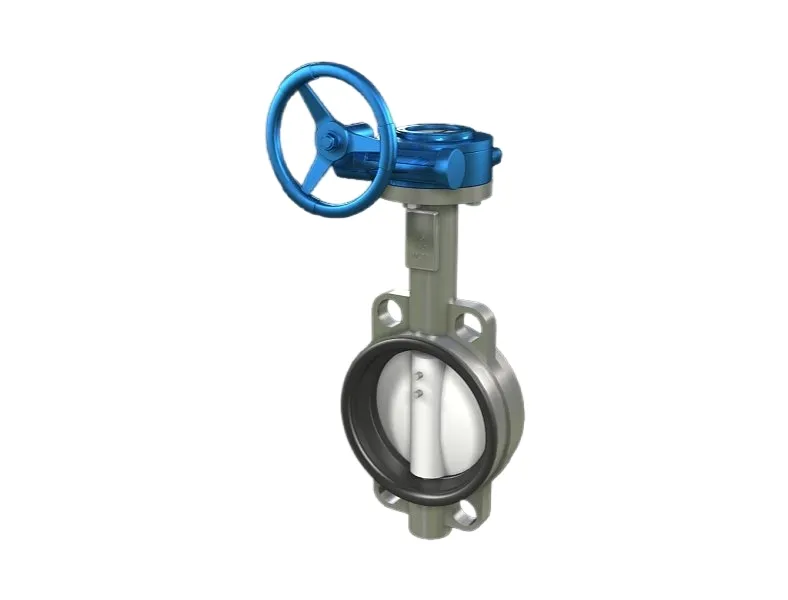
Wafer
Structure
Three-Eccentric Sealing
Work Pressure
Mid-Pressure (2.5mpa < Pn < 6.4mpa)
Working Temperature
Normal Temperature (-40°C < T < 120°C)
Material of Seal Surface
Metal Hard Sealed
Valve Body
Casting
Application
Industrial Usage, Water Industrial Usage
Size
2"~40"
Pressure
Class150-300
Material
Wcb, CF8, CF8m, CF3, CF3m
Production Capacity
700000units/Year
Product Description
Soft Seated Concentric Butterfly Valve

Soft Seated Concentric Butterfly Valve

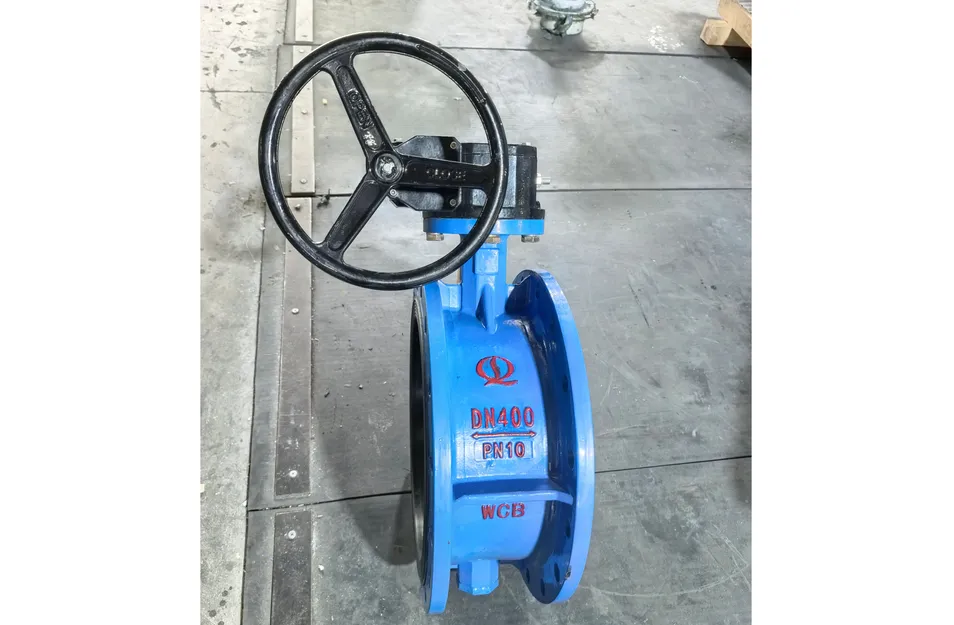
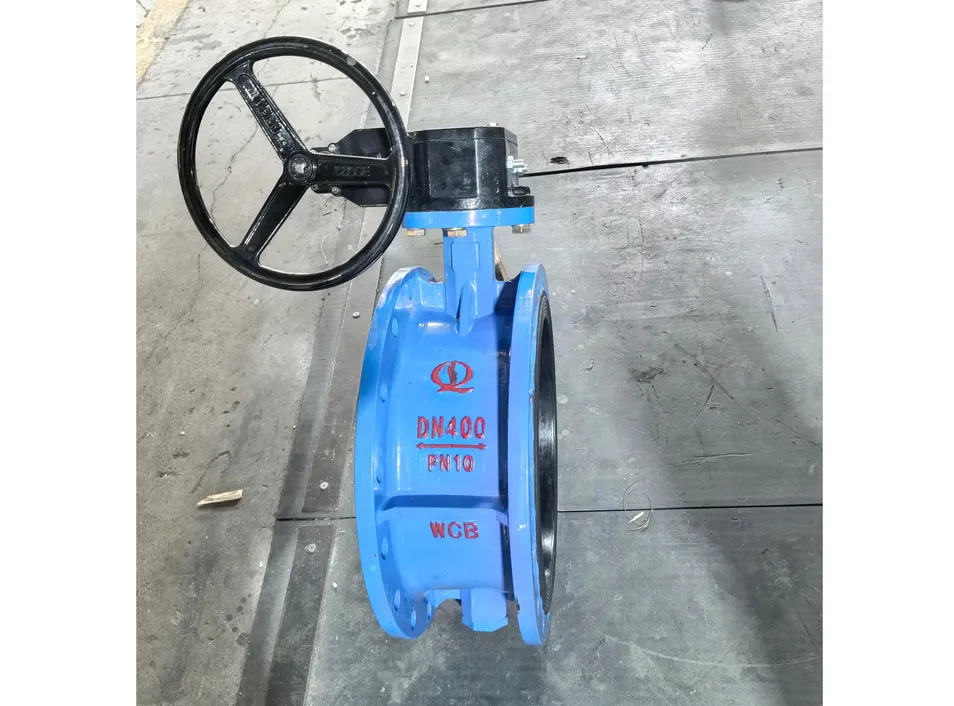
The electric Soft Seated Concentric Butterfly Valve is consisted of valve body, valve disc and soft sealed valve seat. Capable of cutting off the medium, the concentric butterfly valve is generally used for the medium like water, oil, gas and other fluid with the temperature less than 80℃.
Key Benefits
Valve Benefits 1
Valve Benefits 2
  • The valve body of the wafer butterfly valve is symmetric by the center line, making installation easy and convenient.
  • Manufactured with PTFE, NBR or other high-quality materials, the valve seat is secure and offers excellent leak-proof performance.
  • Integrated valve stem structure provides higher strength and prevents medium leakage effectively.
  • Precise polished valve disc matches perfectly with the seat for outstanding sealing performance.
  • Large size manufacturing capabilities available.
Technical Specifications

(Custom configurations available upon request.)

Size 2"~24"
Pressure Class 150
Body material WCB(A105), CF8(304), CF8M(316), CF3(304L), CF3M(316L) etc.
Sealing material Rubber, PTFE, etc.
Connection method Wafer, flange
Driving method Worm gear, electric actuator, pneumatic etc.
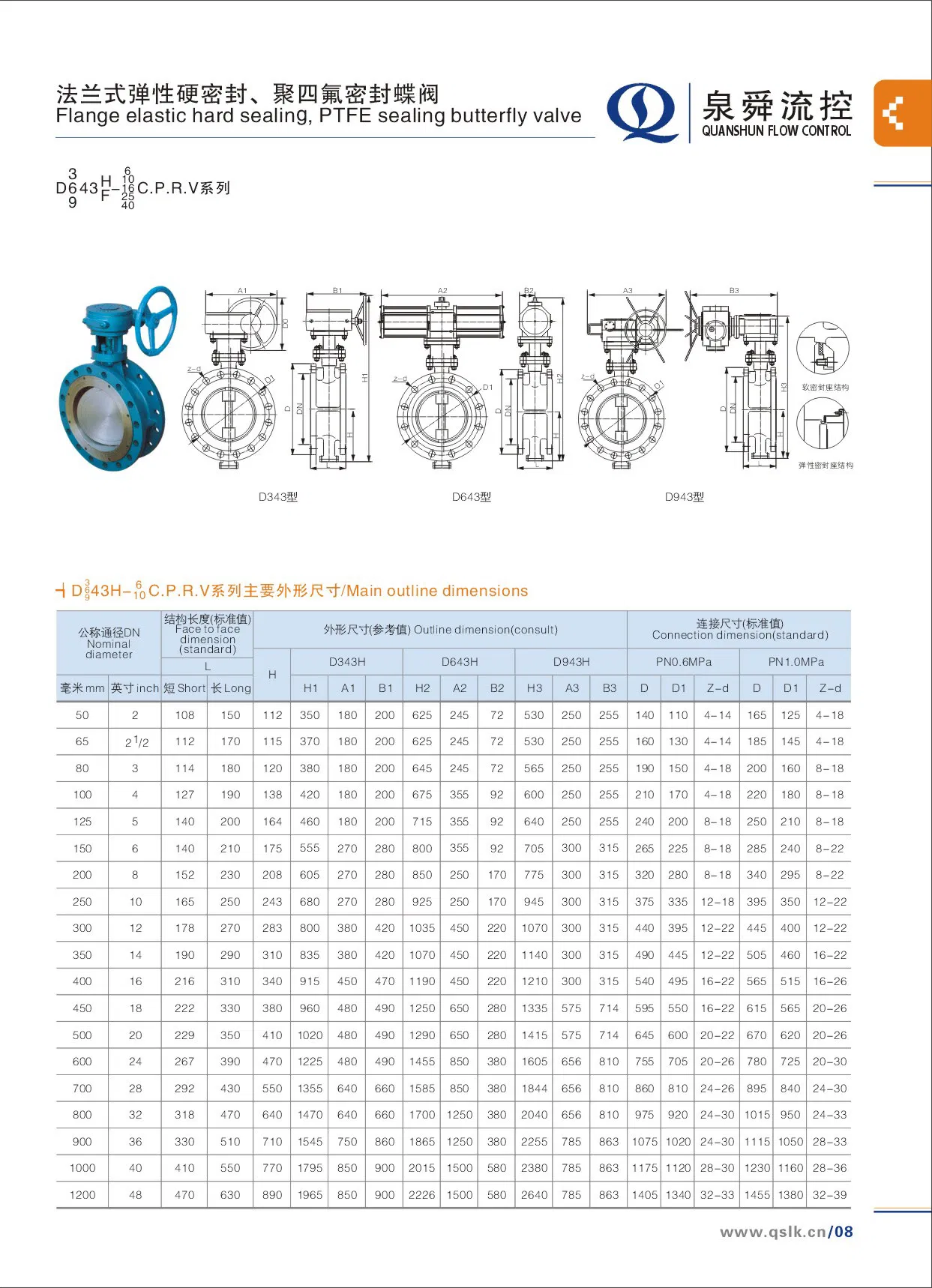
Drawings & Dimensions
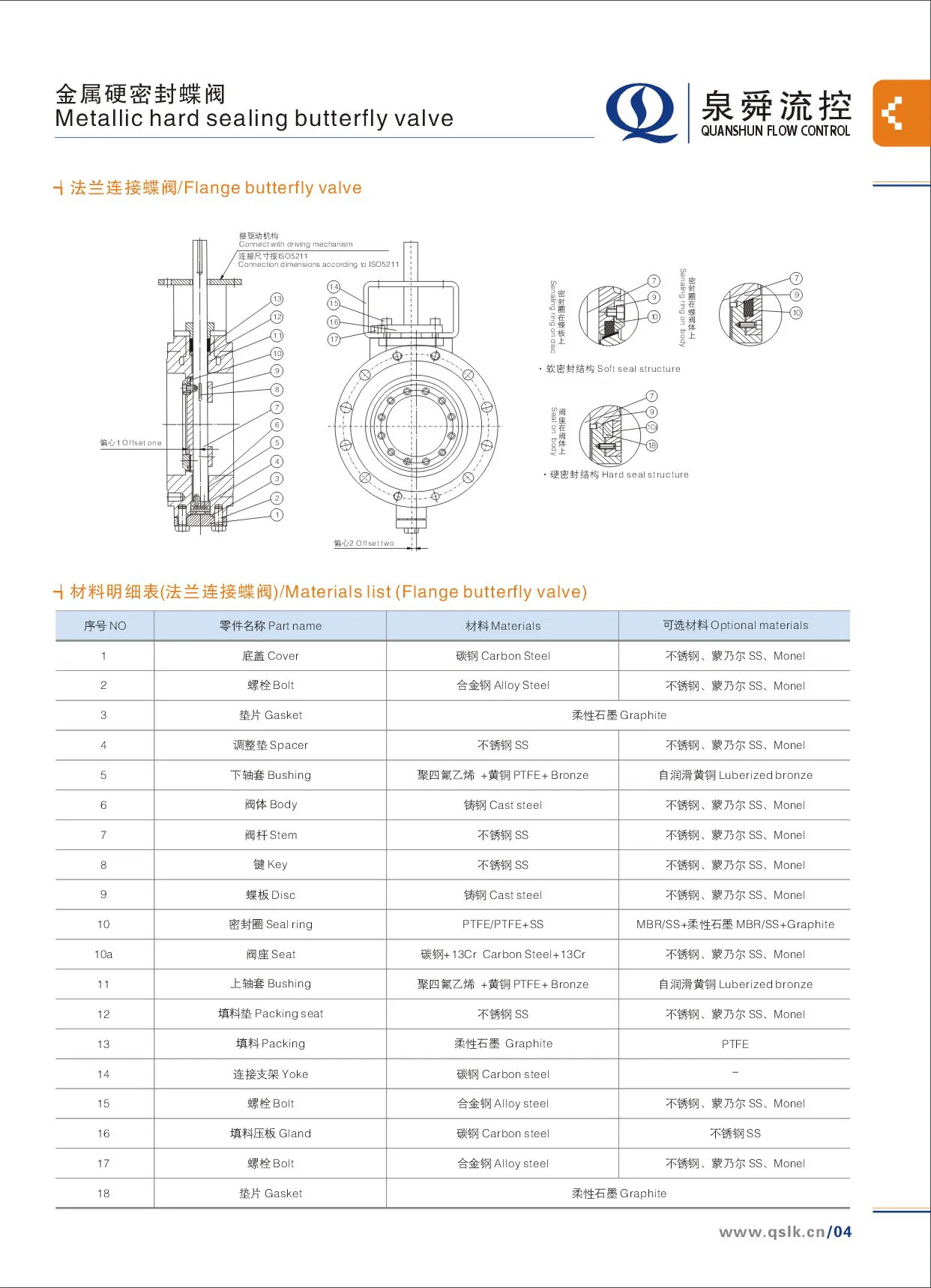
Technical Drawing 1
Technical Drawing 2
Production & Quality
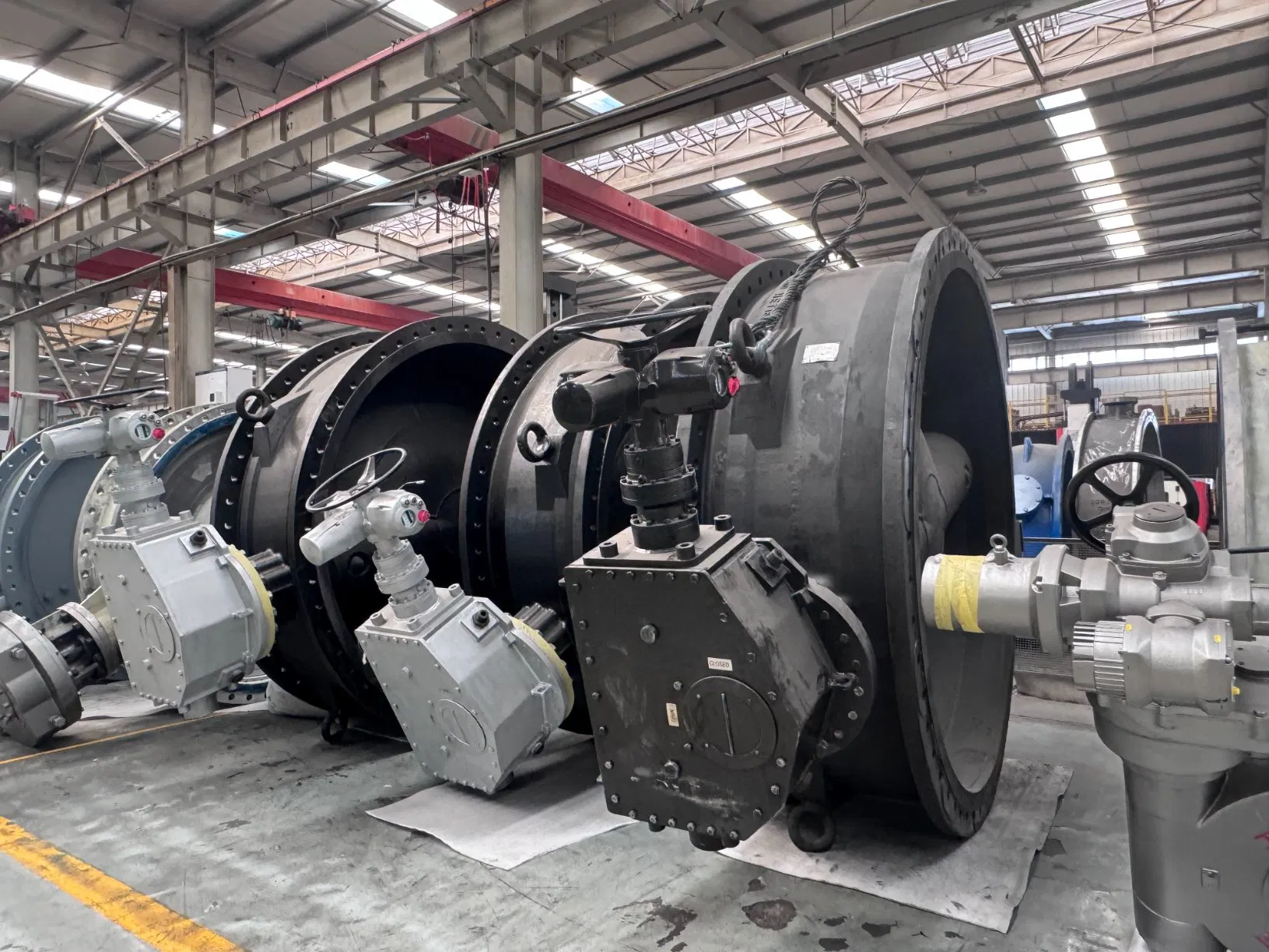
Production View 1
Production View 2
Production View 3
Frequently Asked Questions
What causes leakage at the stem extension?
There are two main reasons: sealing ring damage, or sealing ring wear and aging. The solution is to replace the sealing ring.
What causes leakage at the valve and pipe connection?
This can be caused by a damaged or contaminated sealing surface, gasket failure, or uneven pressure on the pipe flange.
How do I handle leakage at the connection of the valve and pipeline?
You can repair the sealing surface, clean any dirt, replace the gasket, or ensure the flange bolts are pressed evenly.
What causes internal leakage in the valve?
Internal leakage is usually caused by debris on the sealing surface or damage to the sealing pair itself.
How should internal leakage be resolved?
Remove any debris from the sealing surface and proceed to repair or replace the sealing pair as needed.
What if the valve opening and closing is not flexible?
This is often due to actuator failure or foreign objects blocking the valve plate. Repair the actuator or remove the blockage carefully.

Related Products