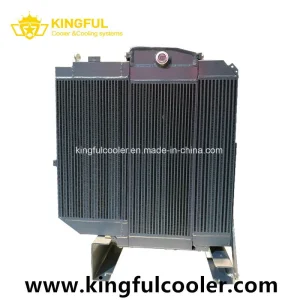
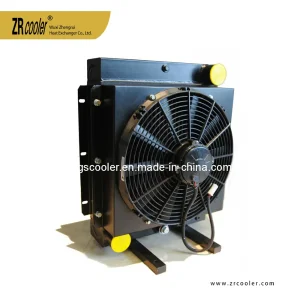
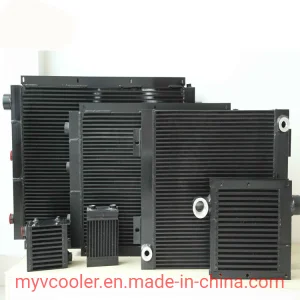
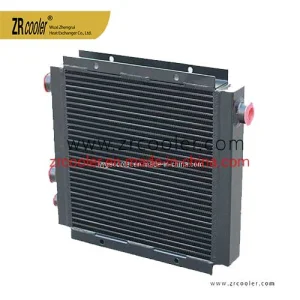
High-Quality Vaporizer Plate for Hengliu Heat Exchanger Systems

Still deciding? Get samples of $ !
Order Sample

Product Description

i

Basic Information

Model NO.
Customizable
Certification
CE, ISO, RoHS
Application
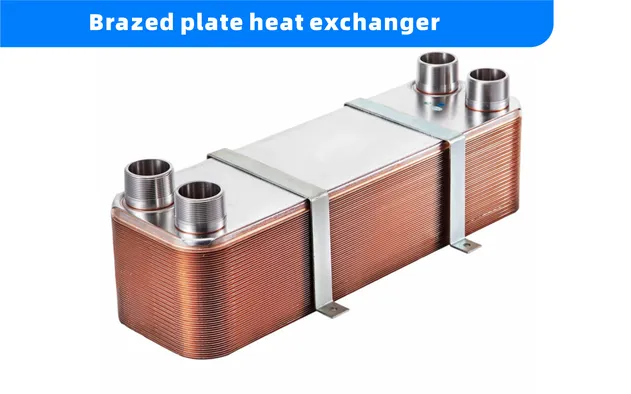
Heater, Cooler, Vaporizer, Condenser
Principle
Recuperative Heat Exchanger
Style
Plate Type
Material
Steel
Key Selling Points
Long Service Life
Max Pressure
Customized
Condition
New
Plate Material
SS304, SS316, Titanium, Hastelloy, Nickle, Ti-Pd
Liquid Flow Rate
16 Kg/S
Production Capacity
50,000 pieces/Year
📦

Packaging & Delivery

Package Size
10.00cm * 10.00cm * 10.00cm
Gross Weight
100.000kg
Transport Package
Wooden Case

Product Description

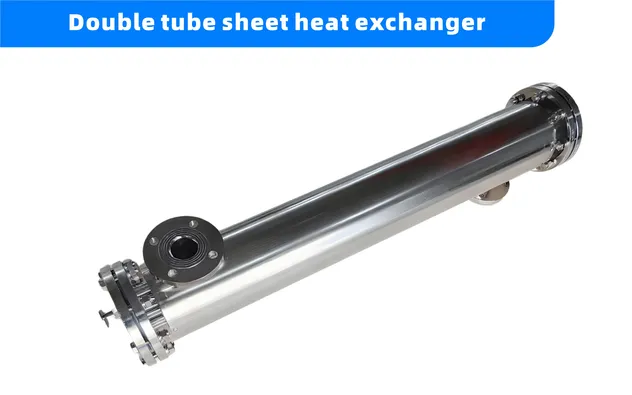
Tube Heat Exchangers

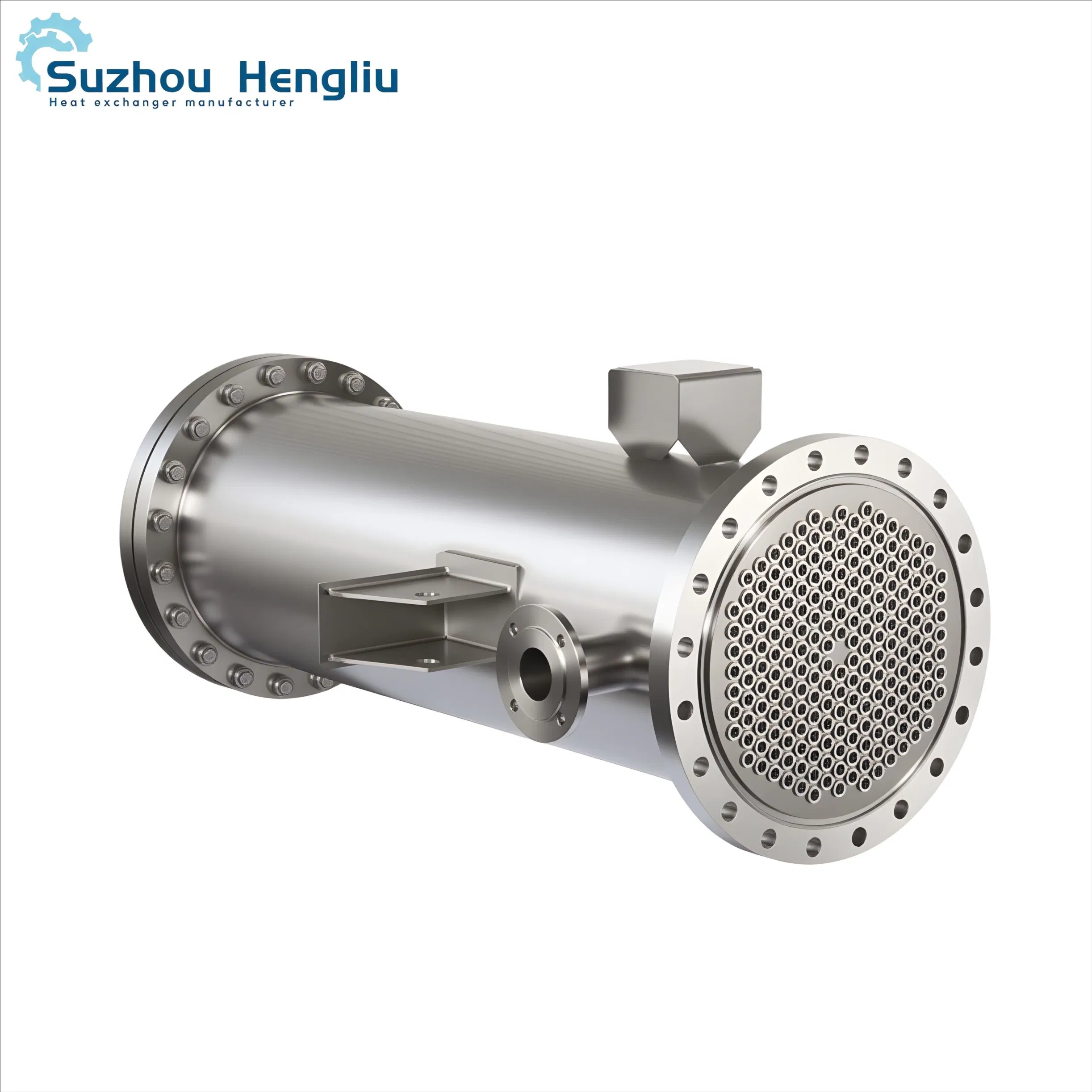
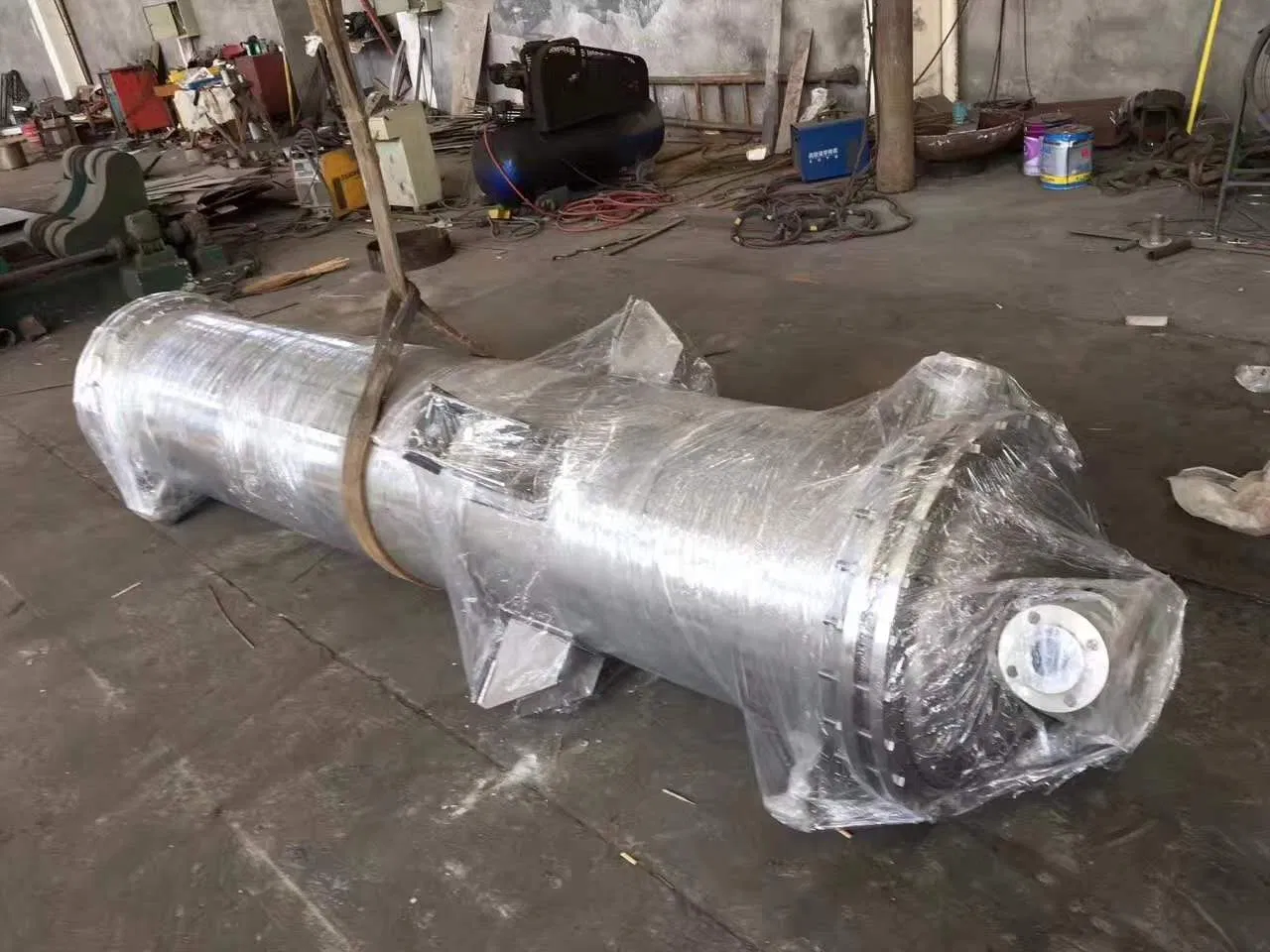
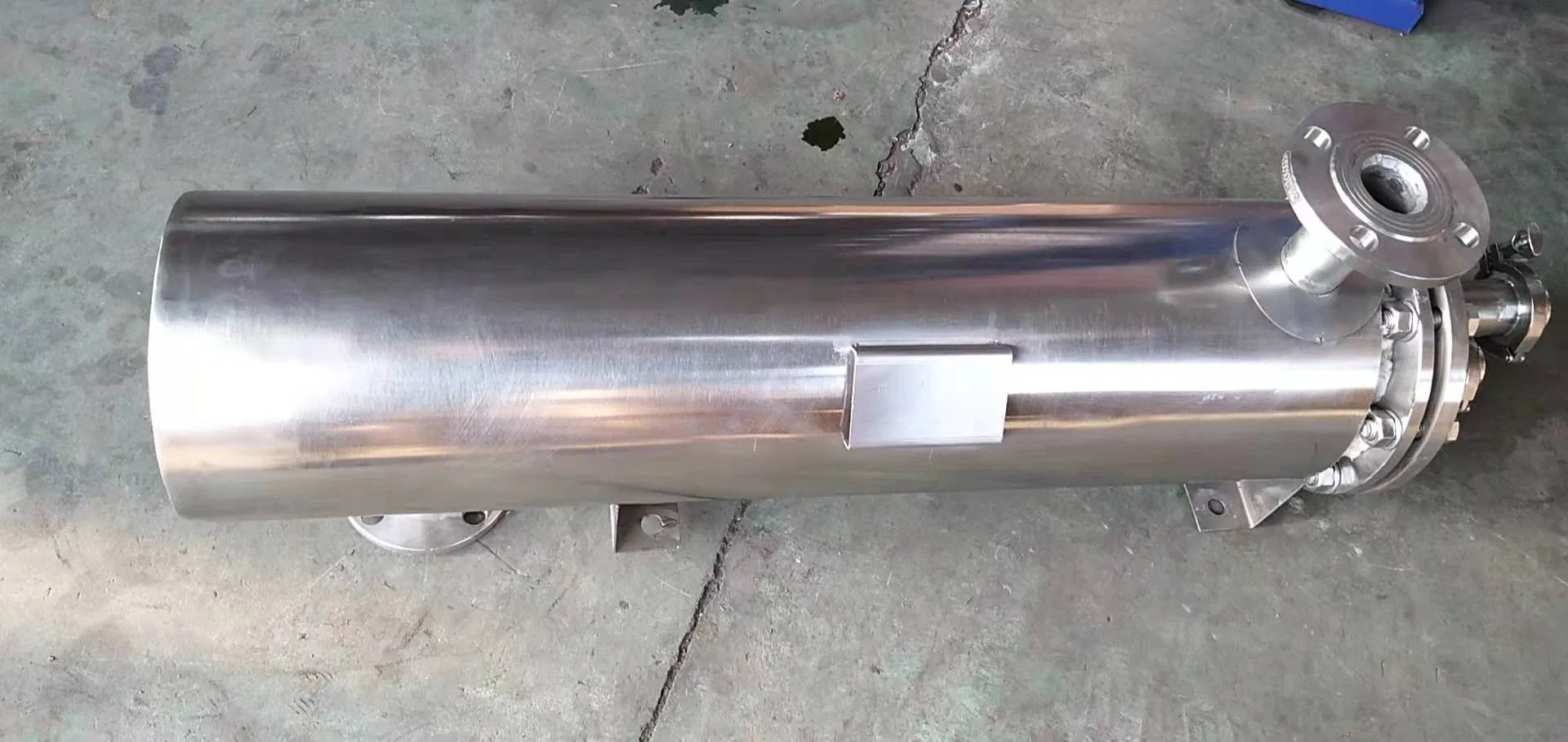
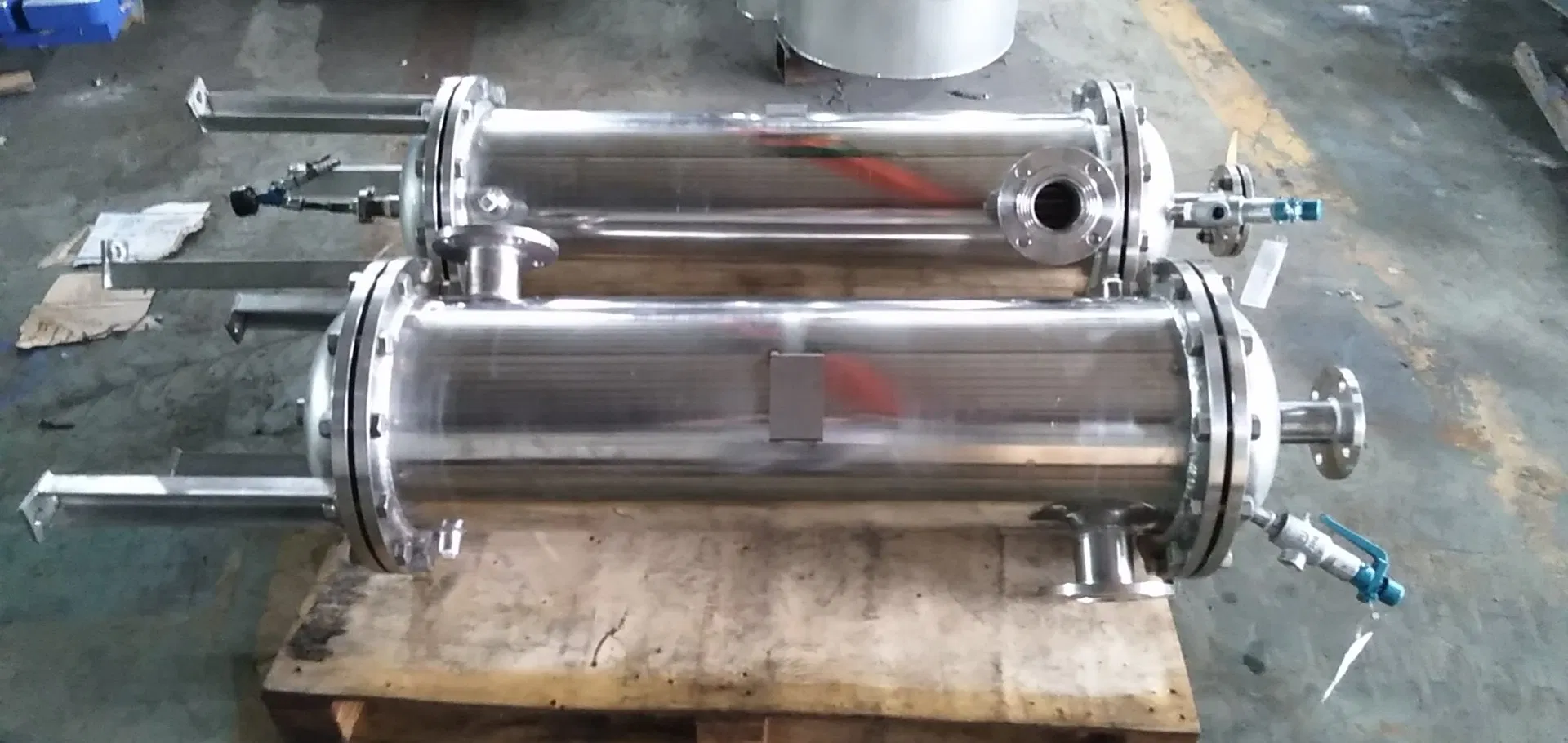
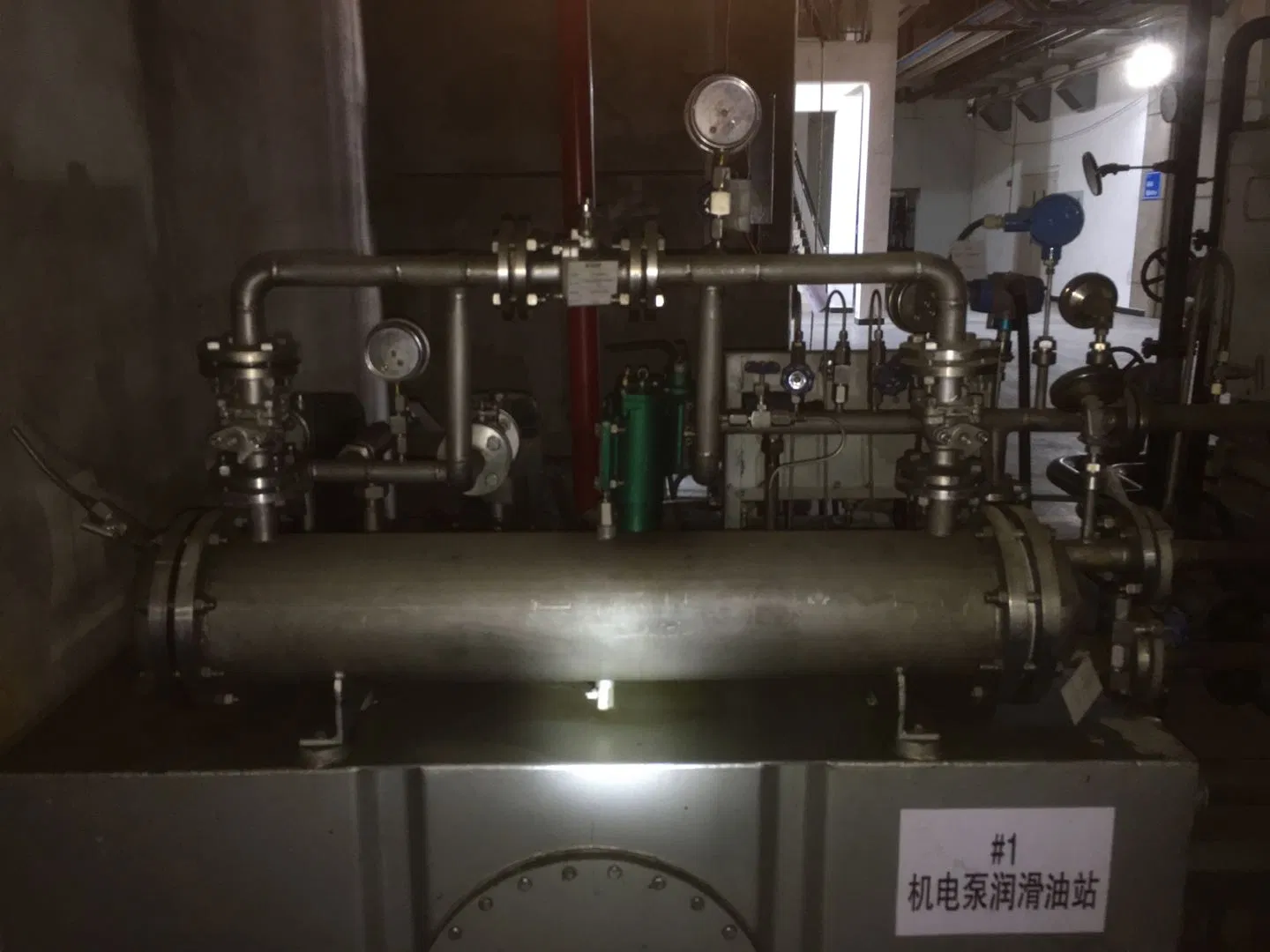
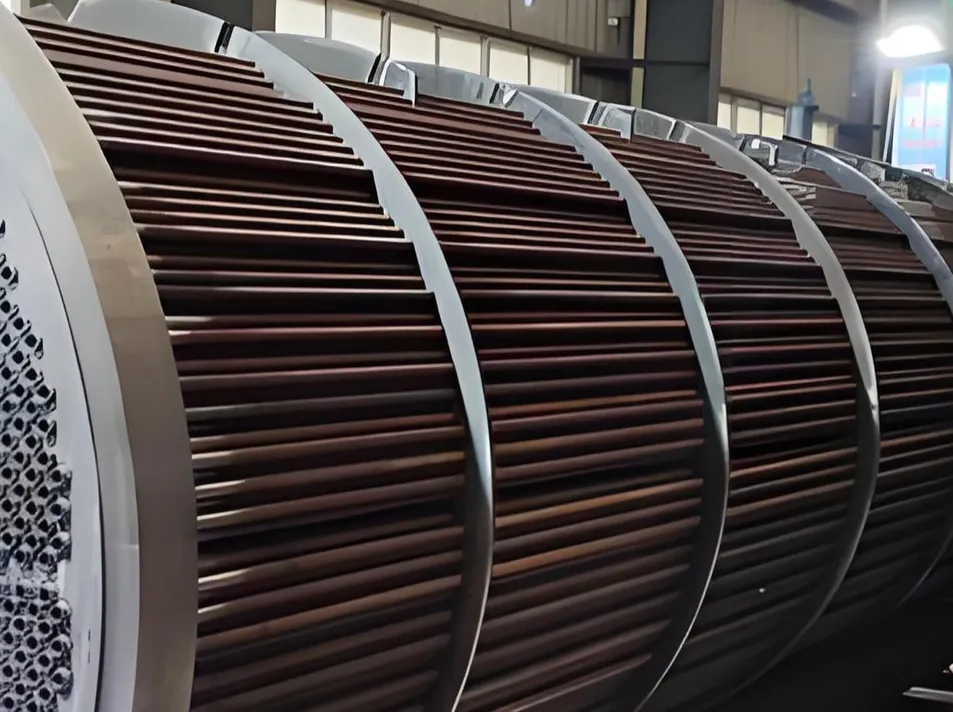
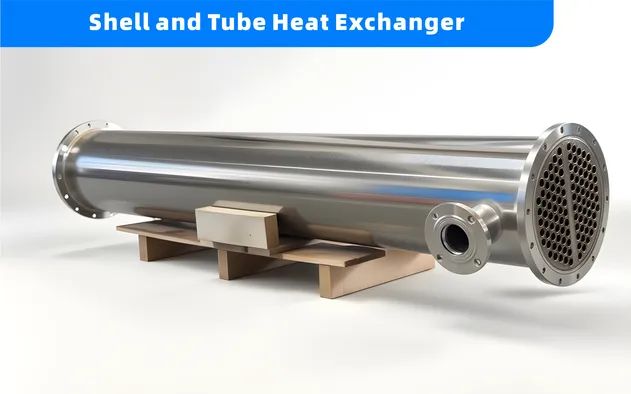
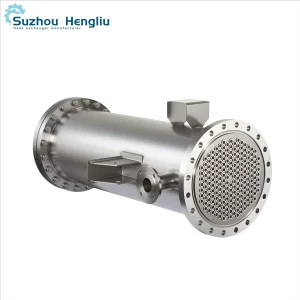
Tube heat exchanger is a kind of industrial equipment that realises efficient heat transfer of hot and cold fluids through the tube wall, which consists of shell, tube bundle, tube plate and sealing structure. Its modular design can be accurately adapted to petrochemical, power energy, food and pharmaceutical and other harsh conditions, to meet the heating, cooling, condensing, evaporation and other process requirements, significantly reducing energy consumption and operation and maintenance costs.
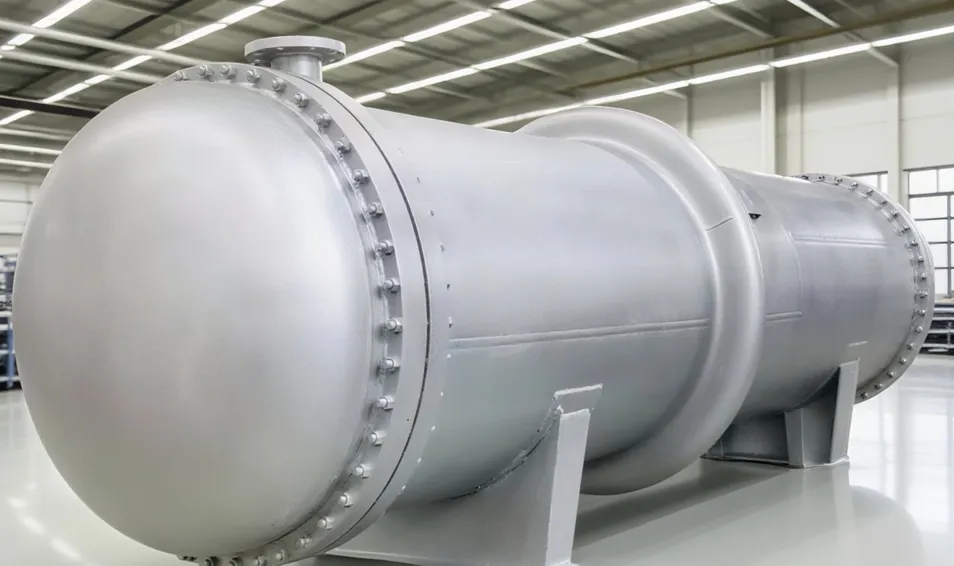
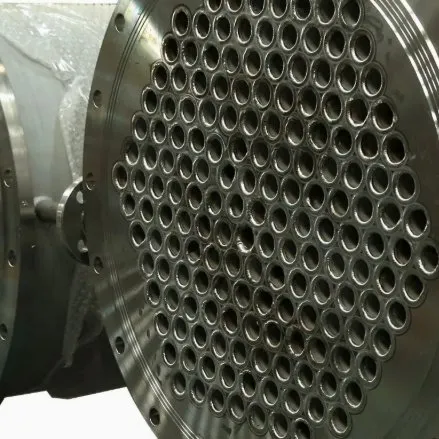
Tube Heat Exchanger System
Pressure resistance: Max 5MPa, Temp 600℃
Highly efficient: 50% higher transfer coefficient
Long life: Stainless steel/Titanium alloy
Flexible customization: Individual design support
📋

Technical Specifications

Heat Transfer Area Design Pressures Material Composition Number of Pipe Lengths
Customizable 0.6-5MPa 304 / 316L / Titanium / Hastelloy Single / Dual / Multiple travelling

Application Scenario

Application Scenarios
🛠

Maintenance Manual

Operational Monitoring

Focus on temperature and pressure data. Record import/export values. Conduct leakage checks on flanges, welds, and seals regularly.

Regular Cleaning

Handle tube scaling with chemical or mechanical cleaning (nylon brushes/high-pressure water). Ultrasonic cleaning available for precision structures.

Sealing Maintenance

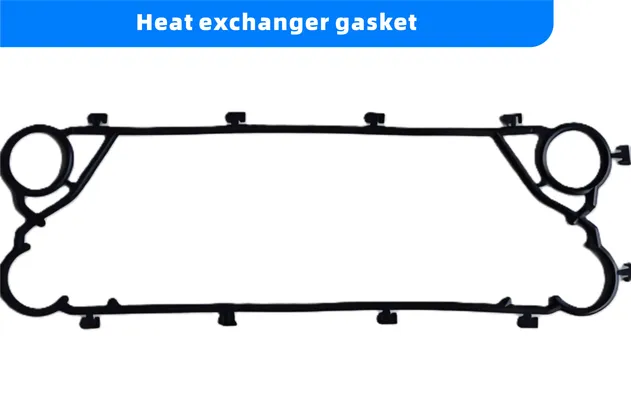
Replace gaskets if leaks occur. Regularly inspect and re-tighten bolts according to torque standards to ensure system integrity.
🔥

Hot Products

🏢

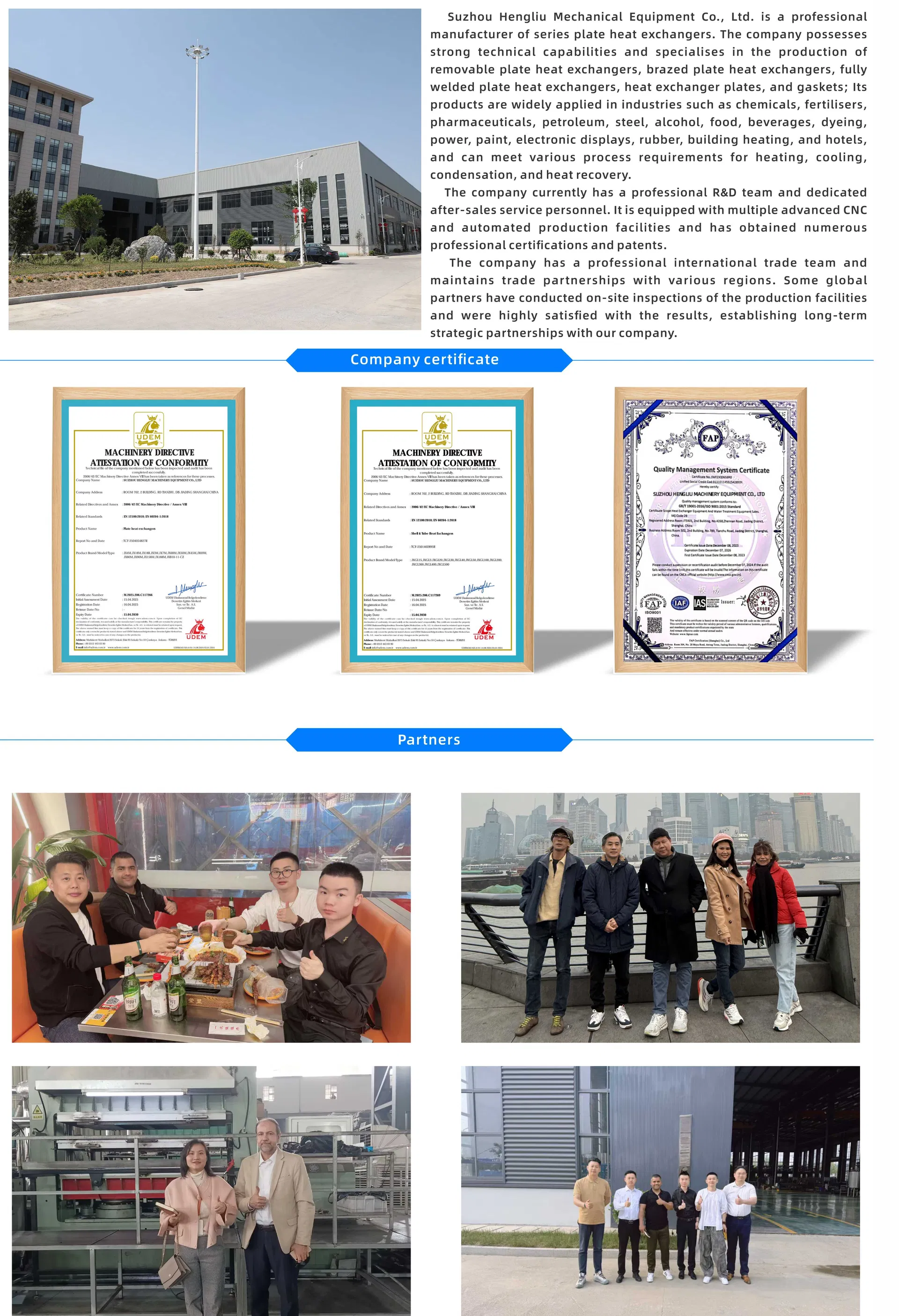
Company Overview & Service

Production Facility After Sales Support
?

Frequently Asked Questions

1. What materials are used for the heat exchanger plates?
We offer a wide range of materials including SS304, SS316L, Titanium, Hastelloy, Nickel, and Ti-Pd to suit various corrosive environments.
2. Can the heat exchanger be customized for specific industrial needs?
Yes, our modular design allows for full customization of the tube/shell range, dimensions, interfaces, and heat transfer area.
3. What is the maximum pressure and temperature the system can handle?
Our systems are designed to withstand a maximum pressure of 5MPa and temperatures up to 600℃.
4. Which industries commonly use these tube heat exchangers?
They are widely used in petrochemical, power energy, food processing, and pharmaceutical industries for heating, cooling, and condensing.
5. How does the heat transfer efficiency compare to standard models?
Our advanced design provides a heat transfer coefficient that is approximately 50% higher than conventional heat exchangers.
6. What maintenance is required for the sealing structure?
Regular inspection of bolts and replacement of gaskets (such as graphite gaskets) are recommended to prevent leaks and maintain performance.

Related Products