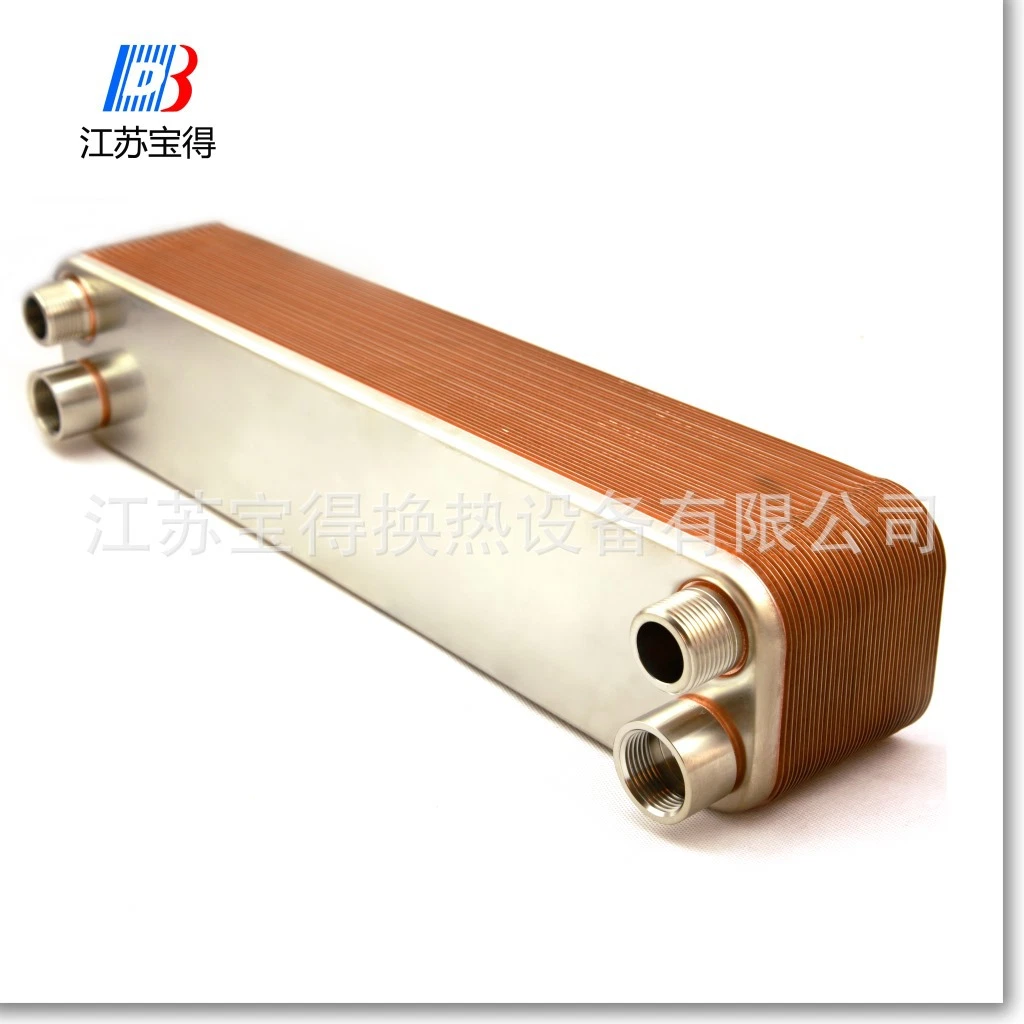
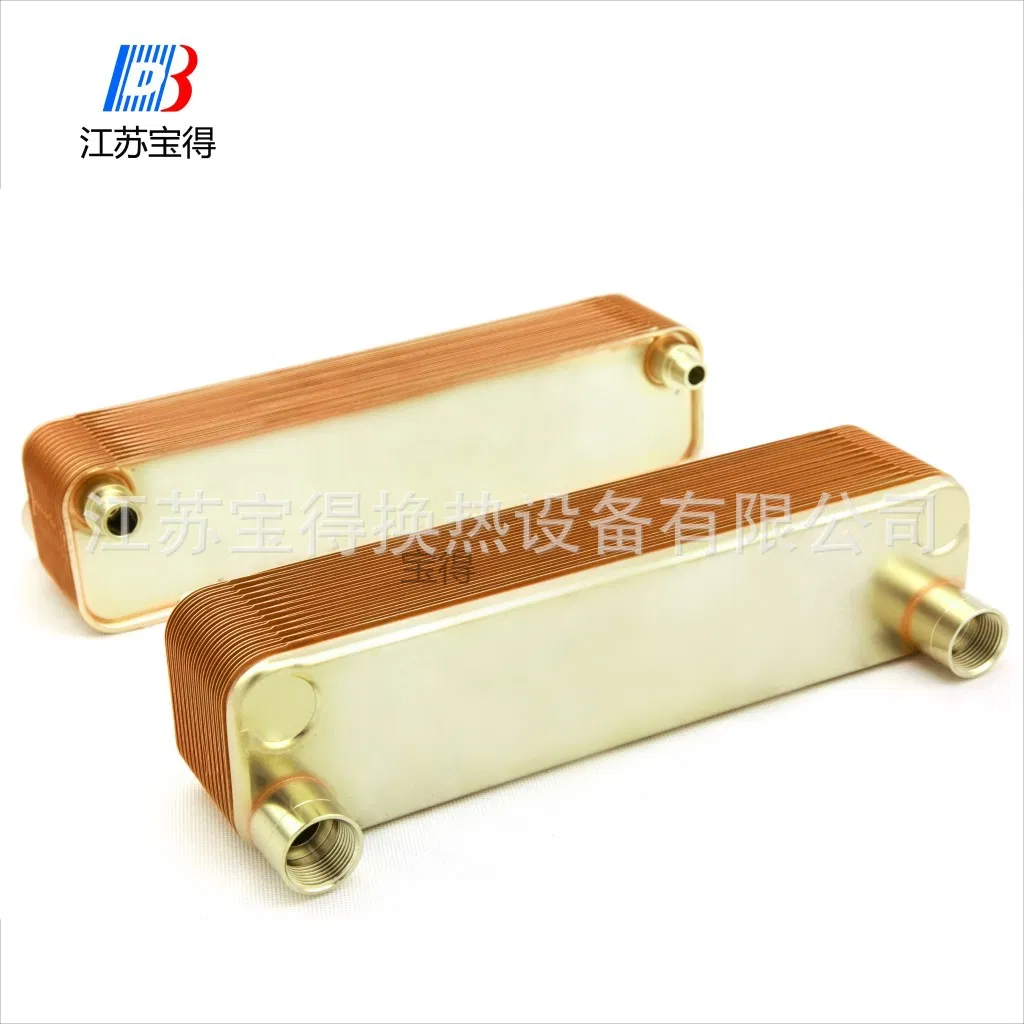
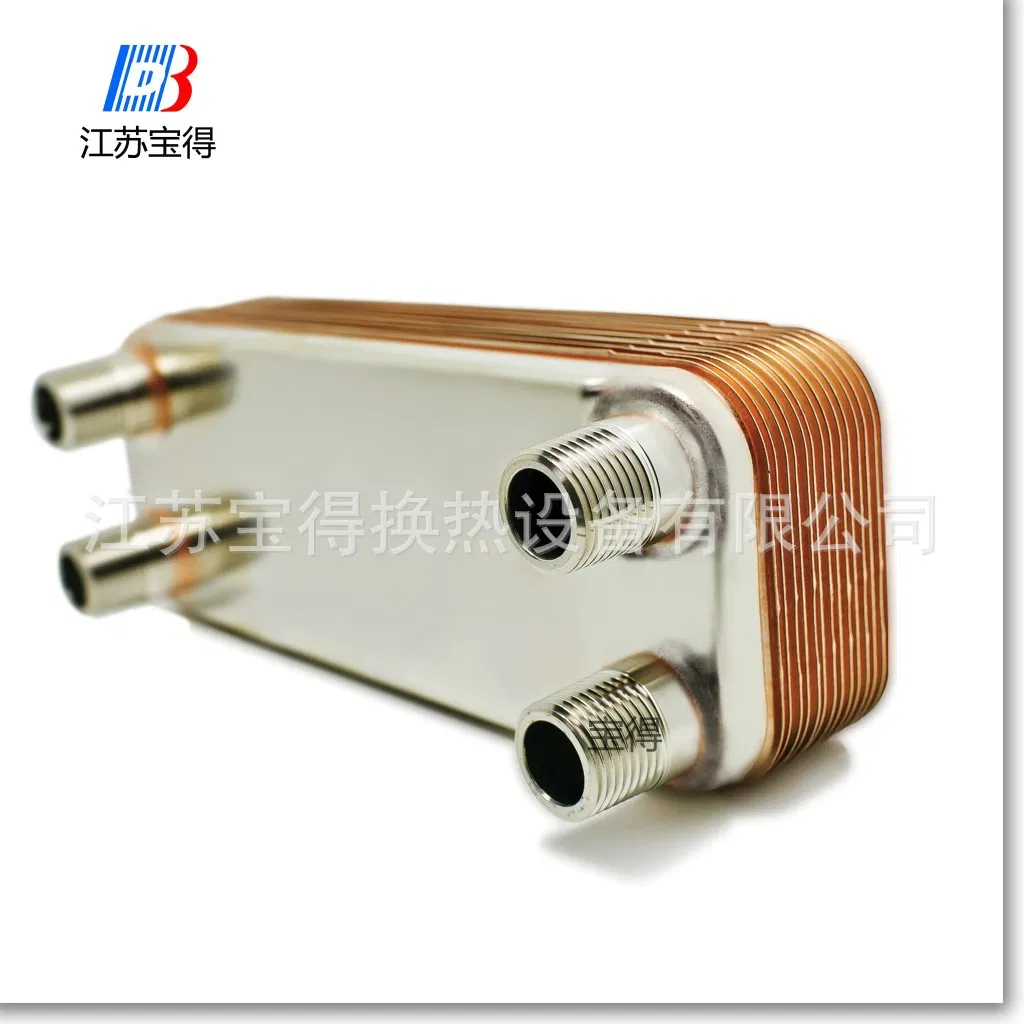
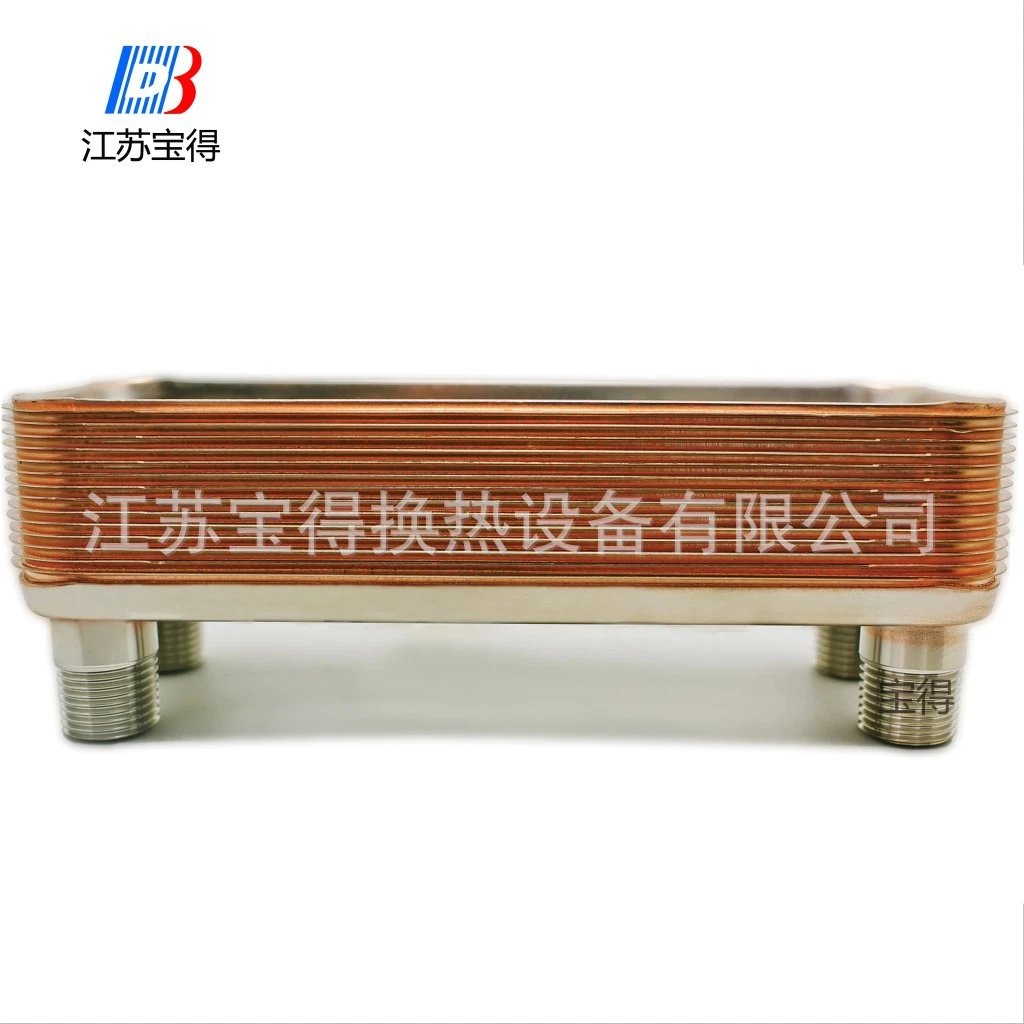
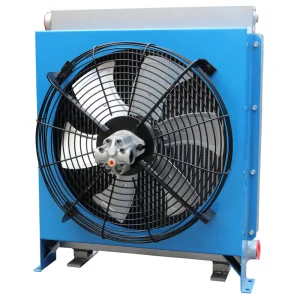
BL50 Hydraulic Oil Cooler for Gear Box
Working Principles
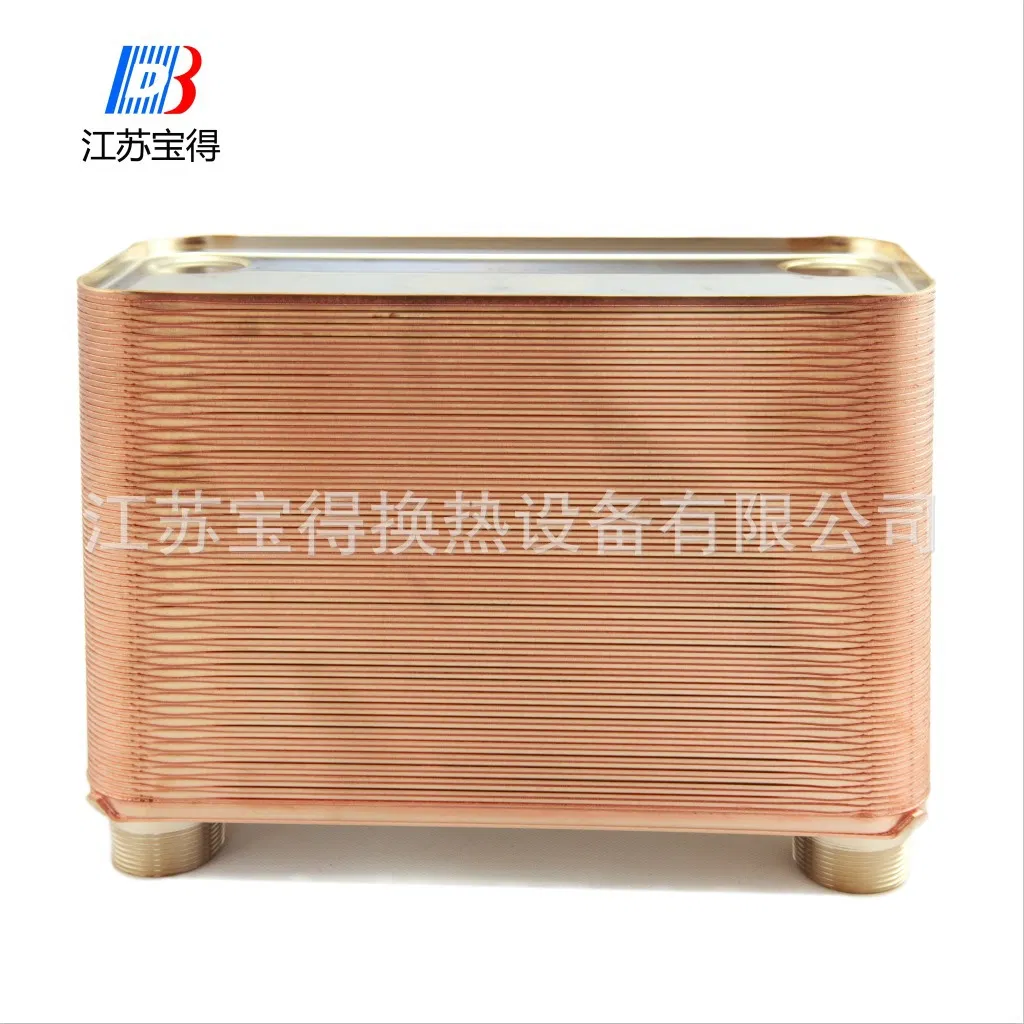
The heating surface consists of thin corrugated metal plates stacked on top of each other. Channels are formed between the plates and corner ports are arranged so that the two media flow through alternate channels, always in counter-current flow. The media are kept in the unit by a brazed seal around the edge of the plates. The contact points of the plates are also brazed to withstand the pressure of the media handled.
Standard Design
The plate pack is covered by cover plates. Connections are located in the front or rear cover plate. The channel plates are corrugated to improve heat transfer efficiency and to make them rigid.
Standard Materials
- Cover plates: Stainless steel AISI 316
- Connections: Stainless steel AISI 316
- Plates: Stainless steel AISI 316
- Brazing material: Copper
Particulars Required for Quotation
To enable a specific quotation, enquiries should be accompanied by the following particulars:
- Flow rates or heat load required
- Temperature program
- Physical properties of liquids in question
- Desired working pressure
- Maximum permitted pressure drop
Frequently Asked Questions
What are the primary applications for the BL50 heat exchanger?
The BL50 is specifically designed as a hydraulic oil cooler, commonly used for gear boxes and marine lube oil cooling systems.
What materials are used in the BL50 construction?
The cover plates, connections, and channel plates are all manufactured from high-grade Stainless Steel AISI 316, with copper used as the brazing material.
What is the maximum operating temperature for this unit?
The BL50 hydraulic oil cooler can withstand a maximum operating temperature of up to 225°C.
What certifications does the BL50 heat exchanger hold?
This model complies with several international standards, including ISO9001, CE, UL, WRAS, and RoHS.
How does the counter-current flow design benefit heat transfer?
The counter-current flow through alternate corrugated channels maximizes the temperature gradient between the two media, significantly increasing heat transfer efficiency compared to parallel flow.
What is the standard testing pressure for the BL50?
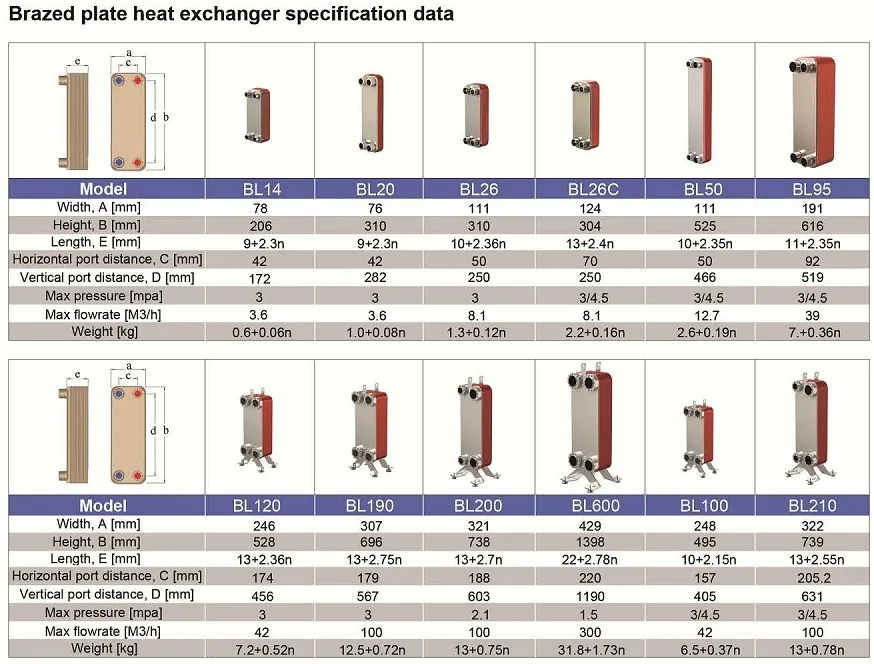
While the maximum working pressure is 3/4.5 MPa, the unit undergoes rigorous testing at pressures of 4.5/6.7 MPa to ensure safety and durability.
 Aksurion Hydraulic