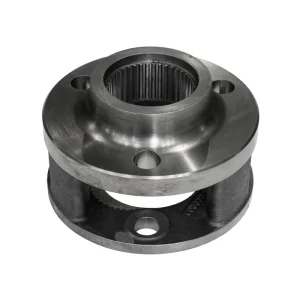
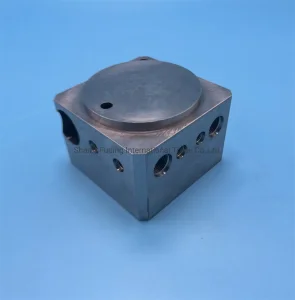
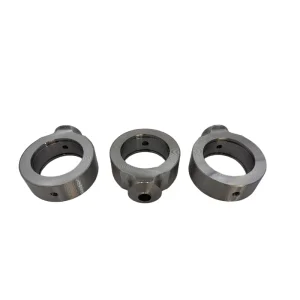
Direct supply of high-integrity components optimized for severe temperatures, mechanical shock, and corrosion resistance in Baltic industrial landscapes.
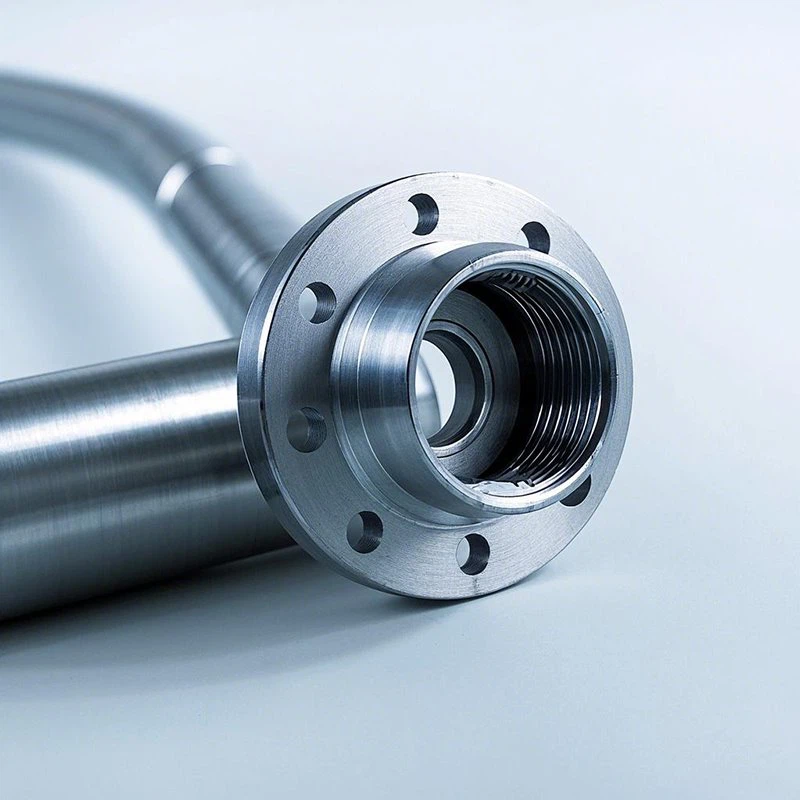
With over 20 years of development in China, Purple Horn has been committed to the design, development, and manufacture of high-integrity hydraulic components, mainly serving essential ancillary and heavy-duty machinery industries. Recognizing the demand for high-end hydraulic components featuring stable metallurgy, strict dimensional tolerances, and cost-effective structural integrity in China and the global aftermarket, we have joined forces with premier hydraulic component manufacturers from Germany, Japan, South Korea, and China.
Our goal is to gather the world's most robust, high-performance components under the Purple Horn flag to serve critical industrial corridors like the Baltic region. We cater to the high-pressure demand patterns of the Latvian industrial aftermarket with professional engineering service, rapid regional delivery, and comprehensive compliance protocols.
An in-depth metallurgical and mechanical analysis of hydraulic components operating under Northern European climatic and structural loads.
Latvia’s position as a vital manufacturing and logistics hub in the Baltic region highlights its dependence on rugged mechanical systems. Key economic drivers, including mechanical engineering, timber harvesting, marine shipping, and high-intensity agriculture, rely heavily on hydraulic power. In these applications, hydraulic cylinder components must operate reliably under conditions of high mechanical stress and sub-zero temperatures (down to -30°C in Baltic winters).
Low temperatures present significant challenges to hydraulics. Standard carbon steels can suffer low-temperature embrittlement, leading to sudden fractures under impact. Additionally, standard seal elastomers may lose flexibility, resulting in pressure loss and oil leaks. At Purple Horn, we configure our export shipments to Latvia using materials like impact-tested 42CrMo4 steel and low-temperature polyurethane/Viton seal systems. This ensures that every cylinder hub, piston, and rod joint maintains its structural integrity and functional reliability throughout the winter season.
Forestry represents a primary manufacturing export sector for Latvia. Modern timber harvesters, forwarders, and loaders demand continuous hydraulic cycles under high working pressures (often exceeding 350 bar). The articulating arms, grapples, and stabilizer cylinders require heavy-duty cylinder rods, robust clevis brackets, and high-performance valve mounts. These components must withstand high torque, abrasive bark dust, and moisture.
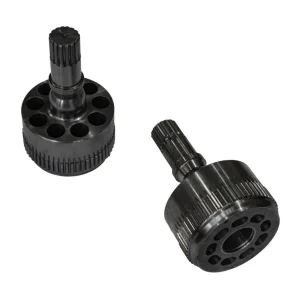
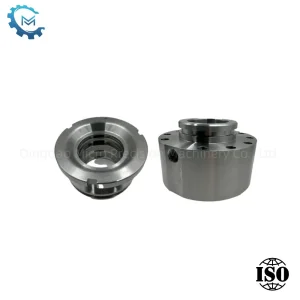
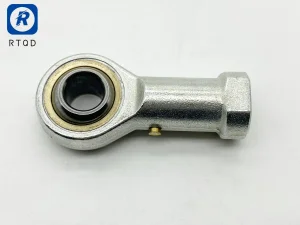
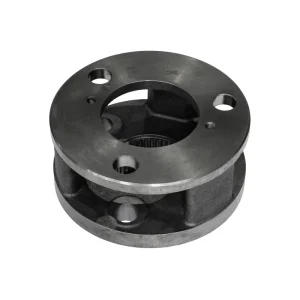
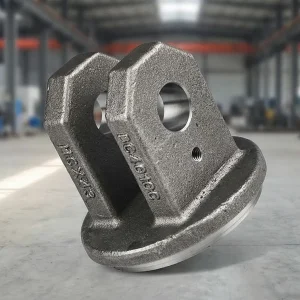
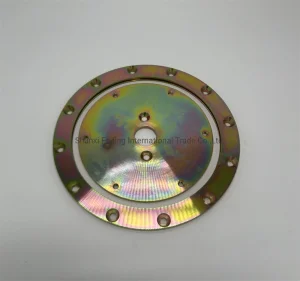
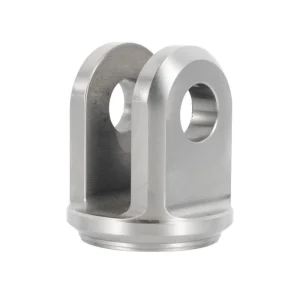
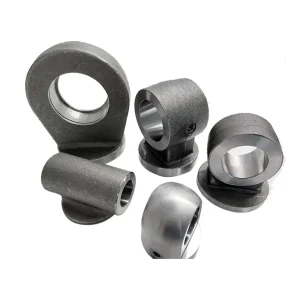
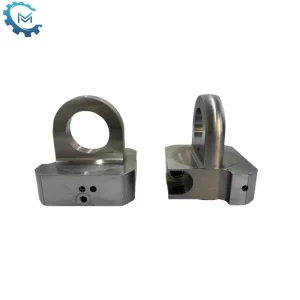
Our forged steel rod end clevis brackets and balance valve covers are engineered to distribute concentrated mechanical stress evenly, preventing micro-fractures in structural weld joints. Through controlled heat treatment, we achieve the precise surface hardness and core toughness required to endure continuous dynamic loads.
Combining globally sourced engineering expertise with localized support to solve complex mechanical degradation challenges.
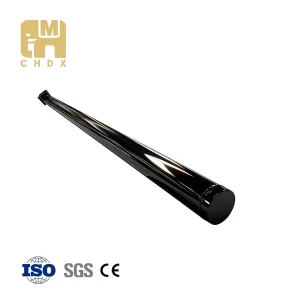
Utilizing high-finish stainless steel alloys and multi-layer chrome plating (minimum 25-30 microns thick, salt spray tested up to 200 hours) to survive brackish marine winds in port infrastructures like Riga and Ventspils.
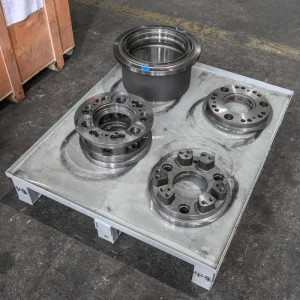
Our machining facilities in China, operating with technical oversight from our German and Japanese partners, achieve component roundness and surface finishes (Ra < 0.2 μm) that reduce friction, extend seal life, and improve overall system efficiency.
By integrating raw casting and forging supply chains from China with specialized valve, sealing, and precision finishing practices from Germany, Korea, and Japan, we balance performance and cost-efficiency.
Our manufacturing process incorporates ultrasonic testing (UT) and magnetic particle inspection (MPI) to detect internal micro-voids in forged steel blocks and piston heads. This ensures that only structurally sound components reach production, preventing failures during critical high-tonnage lifting operations in Latvia.
A look at our machining, testing, and surface treatment capabilities ensuring compliance with strict European industrial expectations.
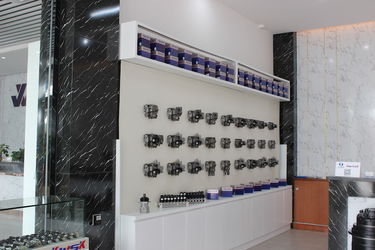
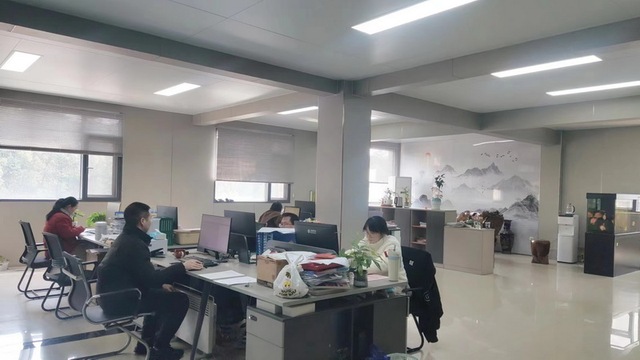
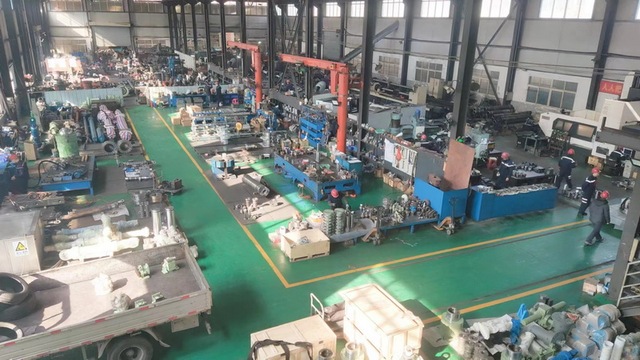
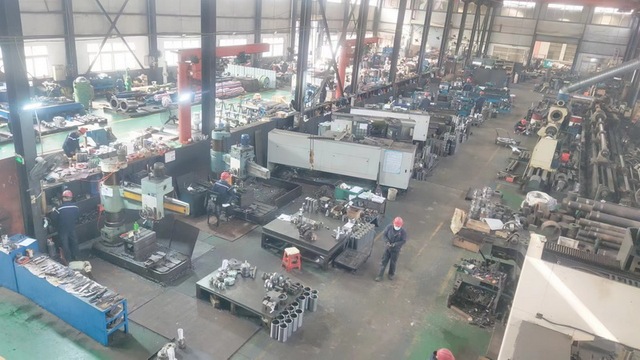
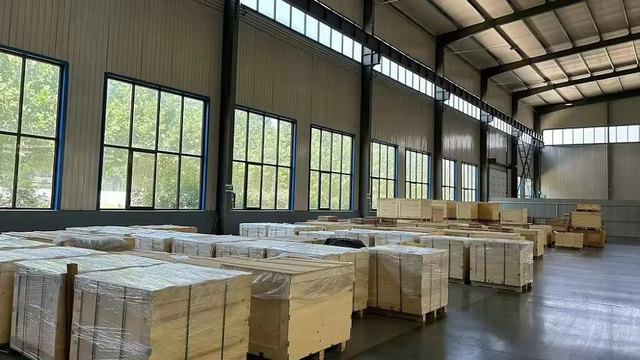
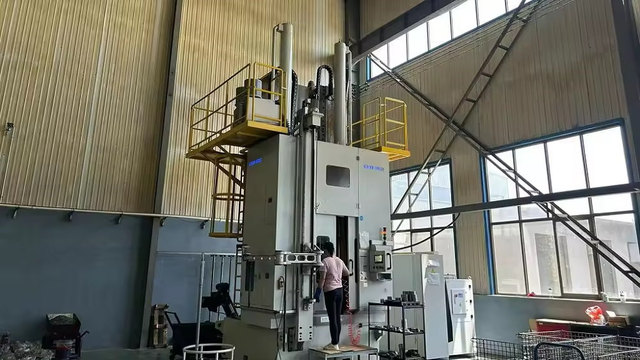


Latvian industrial operators must adhere to strict European Union directives. Equipment designed or repaired inside the EU borders must comply with the Machinery Directive 2006/42/EC and pressure system safety regulations. Any custom cylinder component, whether it is a replacement welded base, flange, or valve mount, must maintain compliance with these overarching safety rules.
At Purple Horn, we ensure our components satisfy these requirements by offering:
Through this level of quality control, we build trust with Latvian distributors, mechanical engineering shops, and original equipment OEMs, providing component reliability from shipping port to installation.
Targeted replacement parts engineered for corrosive, high-humidity Baltic ports and waste management fleets.
Exploring the next generation of fluid power engineering, optimized for energy recovery and digital integration.
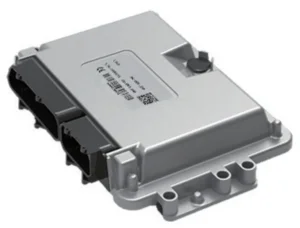
As Baltic industries adapt to energy transition policies and strict EU environmental targets, the efficiency of hydraulic machinery is under scrutiny. The traditional separation between electronics and fluid power is closing. The future of hydraulic systems lies in smart cylinders equipped with integrated linear displacement sensors and pressure transducers. These additions monitor real-time loads and cylinder extension, feeding data back to central control systems.
This digital feedback allows machinery to operate with higher precision, reduce fuel consumption, and optimize stroke profiles. Purple Horn is actively developing component solutions that easily house smart sensor fittings, ensuring compatibility with new, high-performance machinery platforms.
Environmental standards in Latvian forestry demand the use of bio-degradable hydraulic fluids (HEES/HEPG). While eco-friendly, these fluids can be chemical aggressors toward standard elastomers and polyurethane seal materials. To prevent premature chemical degradation, we configure specialized wear ring grooves and seal glands using fluorocarbon rubbers (FKM) and bronze-filled PTFE seals.
Additionally, we employ advanced thin-film coatings, such as Diamond-Like Carbon (DLC) and advanced nickel-chrome deposits. These minimize mechanical friction loss and shield parts from corrosion, supporting the transition toward sustainable hydraulic systems.
Engineered for stability, extreme work pressure limits, and precise speed modulation across industrial operations.
Technical guidance regarding design standards, metallurgy, custom configurations, and Baltic logistics routes.
For components operating in the Baltic winter, we supply low-temperature optimized metals, including impact-tested 42CrMo4 steel or specialized forging alloys. In additionally, we utilize sealing systems rated down to -40°C (using select fluorosilicone or premium polyurethanes) to prevent hardening, cracking, and eventual fluid loss under high structural pressure loads.
Yes. As a custom OEM/ODM manufacturer, we can produce components to match your exact technical drawings or dimensional samples. We routinely work with metric, BSPP, and SAE thread specifications to ensure full interface compatibility with machinery systems from brands like John Deere, Ponsse, Komatsu, and port cranes built to European standards.
We supply ISO 9001:2015 certification for our production facilities. Upon request, we provide EN 10204 3.1 Material Test Certificates (detailing chemical composition and mechanical properties), heat treatment verification sheets, and dimensional measurement reports. This documentation ensures traceability and complies with EU industrial machinery standards.
Standard sea freight shipments to the port of Riga, Ventspils, or Liepaja typically require 35 to 45 days transit time post-production. For critical, high-priority replacement parts, we arrange expedited air freight, which usually arrives in Latvia within 7 to 10 business days. We offer flexible trade terms, including FOB, CIF, and DDU/DDP to suit your logistics preferences.
 Aksurion Hydraulic