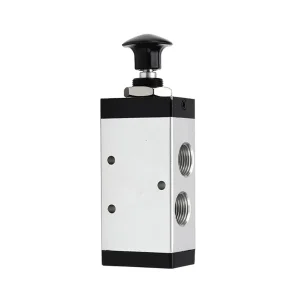
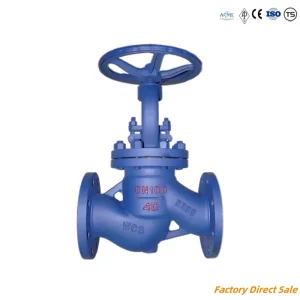
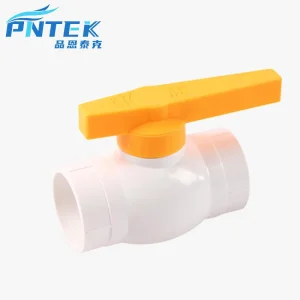
Engineered for high performance, severe service conditions, and maximum durability across Cameroon's primary industrial sectors.
Cameroon, often referred to as "Africa in miniature," is experiencing a significant industrial transformation. Strategically located at the crossroads of West and Central Africa, the nation is rapidly expanding its infrastructure, driven by key sectors such as oil and gas extraction, mineral processing, municipal water treatment, and large-scale agriculture. As these industries modernize, the demand for precise, reliable, and durable fluid control systems has reached an all-time high.
In major industrial hubs like Douala, Limbe, Yaoundé, and Kribi, process automation is replacing legacy manual systems. The implementation of high-performance control valves is central to this transition. Control valves act as the final control elements in process loops, directly affecting product quality, operational safety, environmental compliance, and energy efficiency.
For instance, in the coastal refineries of Limbe and the offshore extraction platforms in the Rio del Rey basin, control valves must withstand highly corrosive saline environments and severe service conditions, including high pressure drops and cavitation. Similarly, Cameroon's ambitious municipal water projects led by CAMWATER require robust flow control valves to manage distribution networks and minimize non-revenue water losses.
How our specialized control valve portfolio addresses the unique environmental and operational challenges of Cameroon's primary industries.
The marine environment of Cameroon's coastlines demands extreme corrosion resistance. Our fluorine-lined and stainless steel control valves are designed to resist chloride stress corrosion cracking and sour gas (H2S) environments, ensuring uninterrupted upstream and downstream operations.
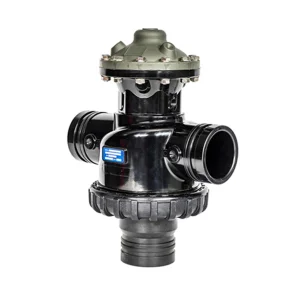
Rapid urbanization places immense pressure on municipal water grids. Our 106X Series Quiet-Cast Remote Float Valves and automatic level control systems prevent water hammer, regulate pressure fluctuations, and prevent reservoir overflows, conserving precious treated water.
In the northern agricultural belts and southern plantations, water management is key. Our drip irrigation multiport backwash control valves and lightweight PVC compact ball valves provide cost-effective, durable, and easily maintainable flow control for large-scale farming operations.
The global valve industry is moving rapidly toward digitalization, and Cameroon is poised to leapfrog traditional technologies directly into the era of Smart Flow Control. Our technical roadmap is aligned with this transition, focusing on three core pillars: intelligence, reliability, and sustainability.
Future industrial installations in Cameroon will increasingly rely on smart positioners equipped with HART, Foundation Fieldbus, or Profibus protocols. These devices monitor valve travel, friction, and pneumatic pressure in real-time, allowing operators to predict failures before they occur. This reduces unplanned downtime in critical facilities like the Kribi Gas Plant.
As process pressures increase, cavitation and noise become major issues. Our engineering team is continuously developing multi-stage, tortuous-path trim designs that dissipate energy gradually, preventing the destructive effects of cavitation in high-pressure drop applications common in mining and deep-well water pumping.
Environmental stewardship is a growing priority for the Cameroonian government and international operators. Our latest control valve packing designs comply with strict ISO 15848-1 and EPA Method 21 fugitive emission standards, utilizing advanced bellows seals and live-loaded PTFE packing systems to eliminate hazardous gas leaks.
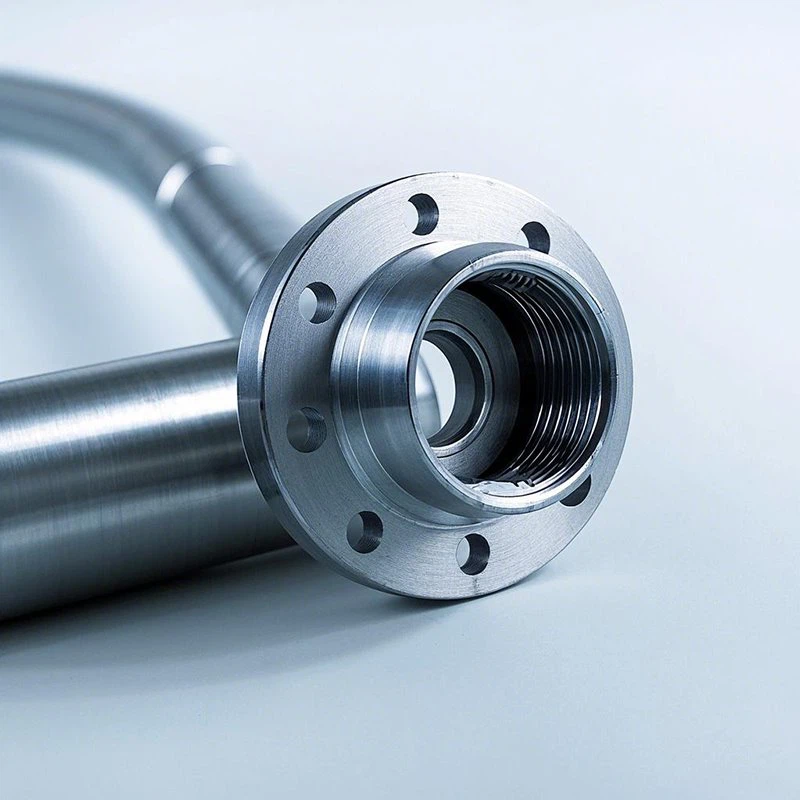
In today's volatile global market, supply chain resilience is as critical as product quality. As a leading brand under this ecosystem, Purple Horn leverages China's unmatched manufacturing infrastructure, raw material availability, and technological ecosystem to deliver world-class control valves with highly competitive lead times.
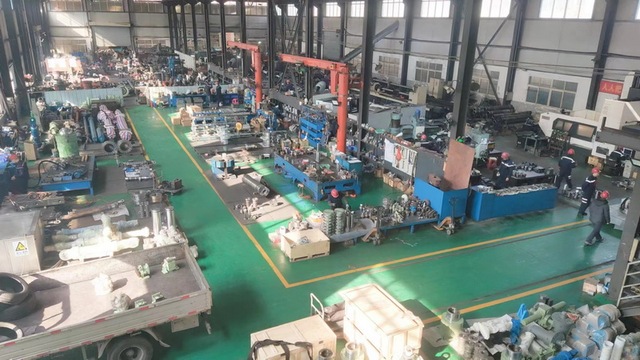
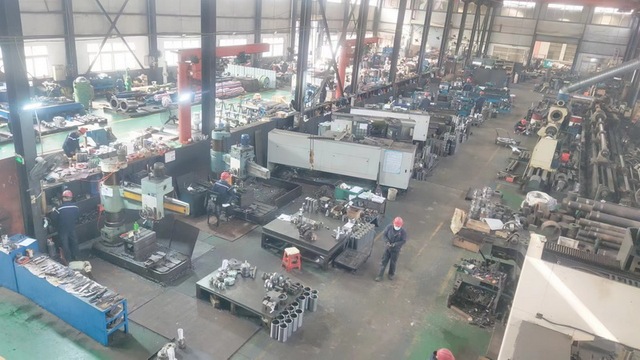
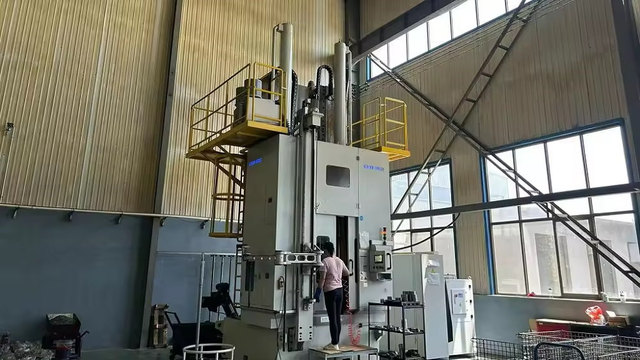
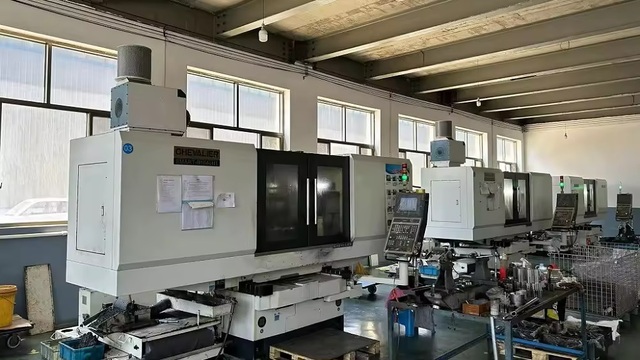
With over 20 years of development in China, Purple Horn has been committed to the design, development, and manufacture of high-end hydraulic and fluid control components. Our production processes integrate advanced CNC machining centers, automated testing rigs, and rigorous quality control protocols to ensure every valve meets or exceeds international standards.
To provide the ultimate value proposition, Purple Horn has joined forces with top-tier hydraulic and valve component manufacturers from Germany, Japan, Korea, and China. By gathering the world's most cost-effective and technologically advanced components under one brand, we meet the demanding needs of the global aftermarket with professional, rapid, and highly reliable service.
Importing industrial equipment into Cameroon requires strict adherence to local regulations and international engineering standards. We ensure that all control valves shipped to Cameroon are fully certified and accompanied by comprehensive documentation to facilitate smooth customs clearance through the Port of Douala or Kribi and guarantee safe local operation.
Our valves are designed, manufactured, and tested in accordance with API 6D, ASME B16.34, EN 12516, and ISO 9001 standards, ensuring full compatibility with global engineering specifications.
We work closely with pre-shipment inspection agencies such as SGS and Intertek to obtain the necessary *Certificat de Conformité* (CoC) required by Cameroon's *Agence Normes et de la Qualité* (ANOR).
Through our network of regional engineering partners in Central Africa, we offer localized installation guidance, commissioning support, and rapid spare parts delivery to minimize operational downtime.
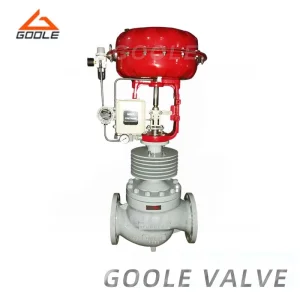
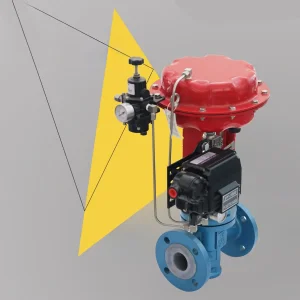
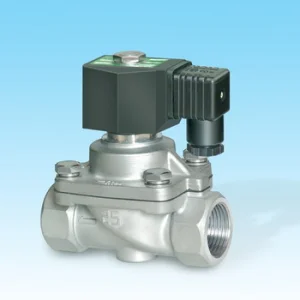
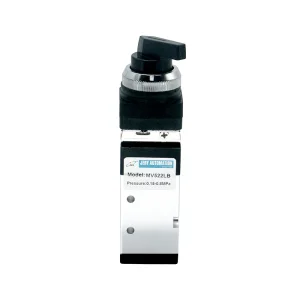
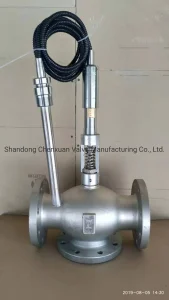
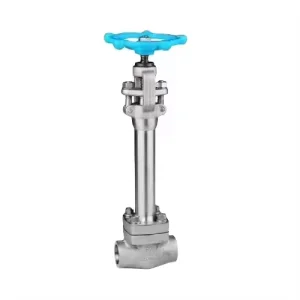
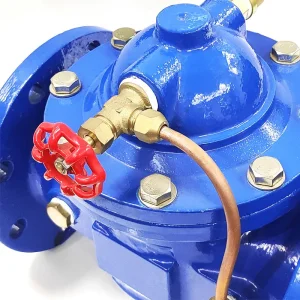
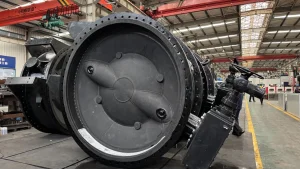
Explore our extensive range of industrial valves, engineered for precision, reliability, and long service life in diverse operating conditions.
Expert answers to common technical queries regarding control valve selection, installation, and maintenance in tropical and industrial environments.
Coastal Cameroon features high relative humidity, high ambient temperatures, and elevated atmospheric salinity. These factors accelerate galvanic and atmospheric corrosion. For external components, we recommend carbon steel bodies with marine-grade epoxy coatings or 316 Stainless Steel. For internal wetted parts (trim), duplex stainless steel or fluorine linings (PTFE/PFA) are essential to prevent pitting and crevice corrosion, especially in chemical processing and offshore applications.
Cavitation occurs when local fluid pressure drops below its vapor pressure, forming vapor bubbles that collapse violently when pressure recovers. In municipal water distribution (such as CAMWATER networks), this causes severe erosion and noise. The best solution is a multi-stage pressure reduction valve or a globe control valve equipped with an anti-cavitation trim (such as a cage-guided multi-hole design). This distributes the pressure drop across multiple stages, keeping the fluid pressure above its vapor pressure throughout the valve body.
Every single valve manufactured by Purple Horn undergoes rigorous testing prior to dispatch. This includes hydrostatic shell testing (typically at 1.5 times the design pressure), seat leakage testing in accordance with FCI 70-2 (Class IV, V, or VI depending on the specification), and pneumatic functional testing of the actuator and positioner assembly. We also provide full material traceability reports (MTRs complying with EN 10204 3.1) and coordinate pre-shipment inspections (PSI) with international agencies like SGS to ensure seamless compliance with Cameroon's ANOR standards.
In remote agricultural or mining sites where clean, dry instrument air is unavailable, traditional pneumatic control valves can be challenging to operate. In these scenarios, we recommend either Electric Temperature/Flow Control Valves (which only require a stable AC/DC power supply) or self-operated regulatory valves that utilize the process fluid's own pressure to actuate the valve diaphragm, completely eliminating the need for external power or compressed air.
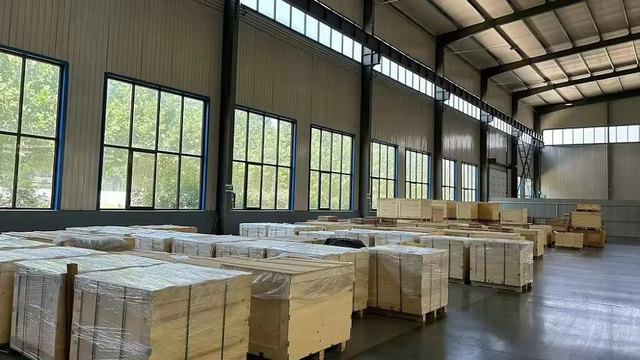
Standard valve configurations are typically manufactured and tested within 3 to 4 weeks. Custom-engineered valves (special alloys, severe service trims) may take 6 to 8 weeks. Shipping from our main ports in China (Ningbo/Shanghai) to the Port of Douala or the Port of Kribi in Cameroon usually takes between 35 to 45 days via ocean freight. For urgent replacement parts or compact control valves, air freight options are available with a transit time of 5 to 7 business days.
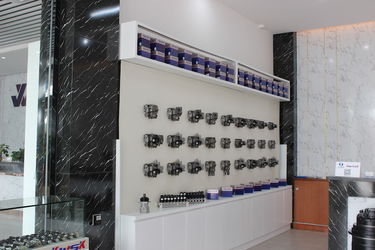
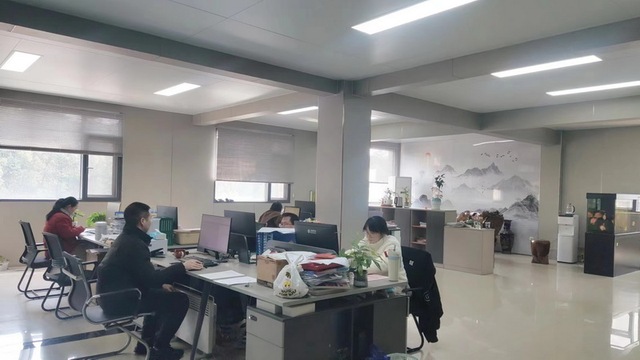
With over 20 years of development in China, Purple Horn has been committed to the design, development and manufacture of hydraulic components, mainly for ancillary services. With the increasing demand for high-end hydraulic components with stable product quality and reasonable price in China and the global aftermarket, the company has joined forces with hydraulic component manufacturers from German, Japanese, Korean and Chinese to gather the world's most cost-effective hydraulic components in Purple Horn. Meet the needs of high-end hydraulic components in the global aftermarket with the most professional and fast service.
With superb strength of technical, sophisticated mechanical equipment and strict production technology, our company has produced high-quality products and excellent after-sales service, and won the praise of customers at home and abroad! Our company will always adhere to the slogan of “we aim to build the most cost-effective hydraulic brand in the world”, forge ahead, introduce new products, and provide more and more quality products for all the customers. We sincerely look forward to working with customers together and create brilliant with customers together.

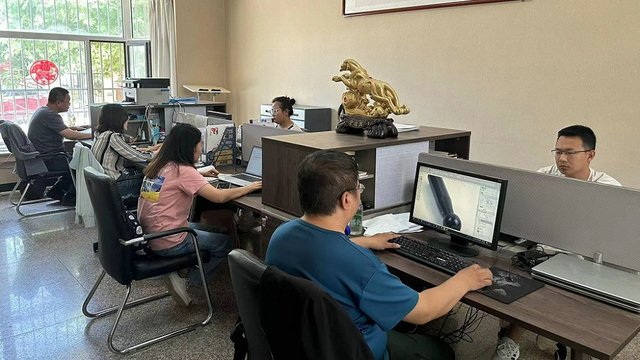
Get in touch with our senior application engineers today for custom valve sizing, detailed technical drawings, and a competitive quotation tailored for your project in Cameroon.
Send Inquiry Now Aksurion Hydraulic