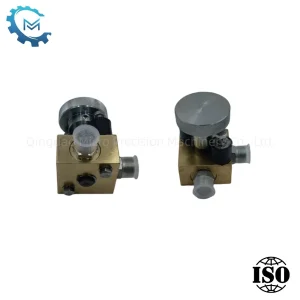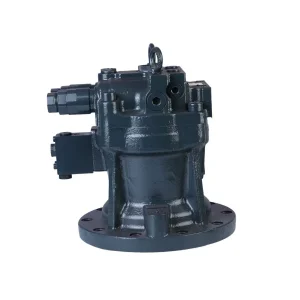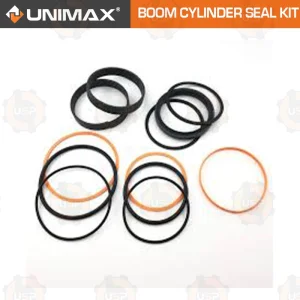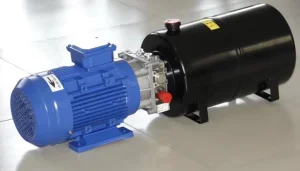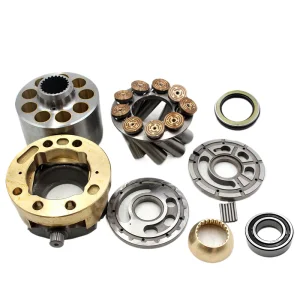
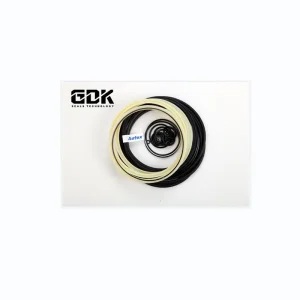
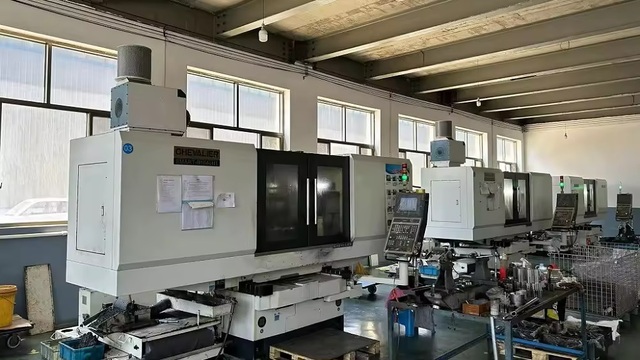
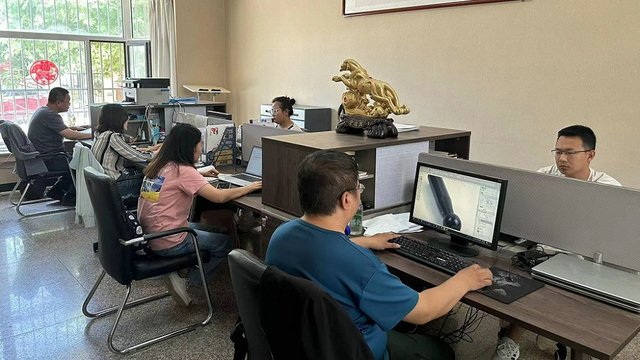
With over 20 years of dedicated development in China, Purple Horn has stood as a pioneer in the engineering, design, and precision manufacturing of high-performance hydraulic components and tube-bending machinery. From our origin as an ancillary service provider to our growth into a global industrial leader, we focus on delivering stable product quality and cost-effective hydraulic solutions for the global aftermarket.
To keep pace with the accelerating demands of modern heavy industry, Purple Horn has strategic alliances with leading hydraulic machinery developers across Germany, Japan, South Korea, and China. By combining advanced European design philosophies, precise Japanese manufacturing tolerances, Korean hydraulic efficiency, and China's scalable manufacturing capabilities, we supply high-end, heavy-duty components designed for long-term operations.
Adhering to our corporate slogan, “we aim to build the most cost-effective hydraulic brand in the world”, we continuously invest in state-of-the-art production technology. We provide high-quality machinery, replacement spares, and comprehensive after-sales services to clients globally.
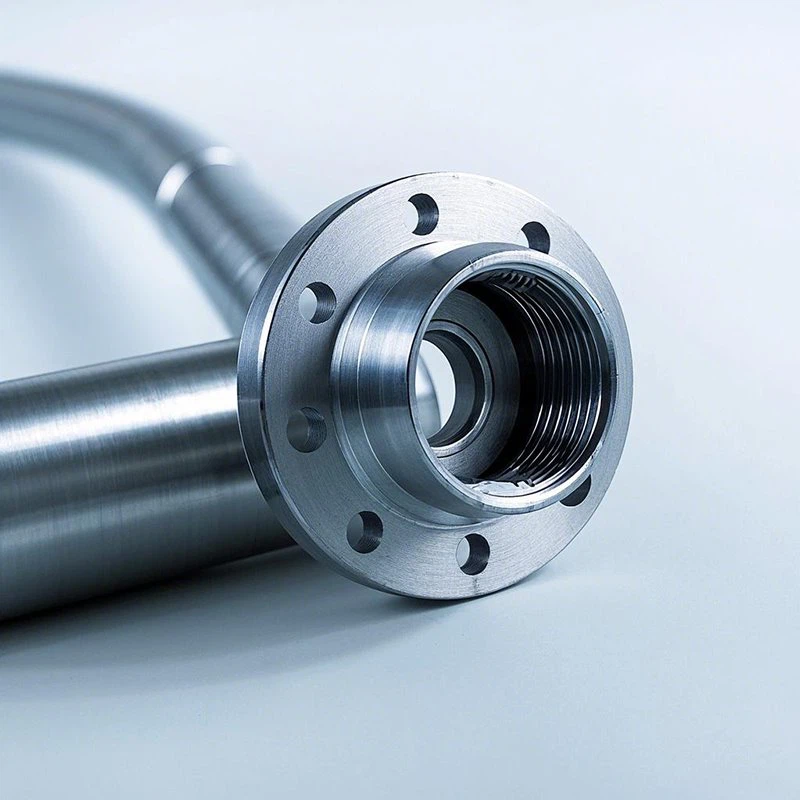
In modern industrial manufacturing, the processing of metal conduit systems requires high accuracy, structural integrity, and repeatability. Hydraulic tube benders are essential machinery across sectors such as automotive engineering, aerospace plumbing, shipbuilding, oil and gas distribution, and construction equipment manufacturing. Bending thick-walled or high-tensile tubing without causing structural failures (such as wrinkling, wall thinning, or cross-sectional ovality) requires a deep understanding of fluid dynamics, material science, and mechanical structural engineering.
This whitepaper details the engineering dynamics behind hydraulic tube bending systems, the metallurgical variables affecting process outcomes, the integration of auxiliary hydraulic circuits, and how Purple Horn utilizes its joint-venture technology to supply industrial-grade machinery to global markets.
Industrial procurement departments faces several challenges when selecting hydraulic tube bending machinery and auxiliary components from overseas manufacturers. Sourcing is no longer based solely on initial capital expenditure (CAPEX); it is guided by total cost of ownership (TCO), long-term reliability, and compliance with local industrial standards.
Purchasing managers must evaluate vendor capabilities based on several critical criteria:
Ensuring the bending mandrels, die blocks, and clamping tools are constructed from hardened tool steels (such as D2 or H13) that resist wear under severe friction and high clamping forces.
Transitioning from basic manual limits to multi-axis CNC controllers with real-time feedback loops. This ensures angular accuracy within ±0.05 degrees and prevents material springback issues.
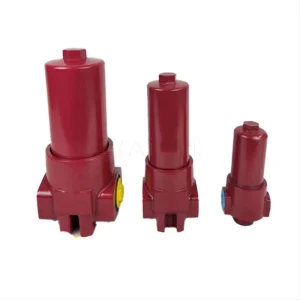
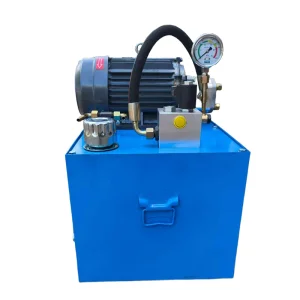
Assessing the compatibility of hydraulic power units, directional valve manifolds, and filter assemblies with standard local fluids, operating pressures, and maintenance intervals.
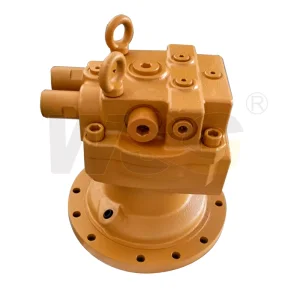
Purple Horn addresses these procurement challenges by offering custom manufacturing options. We assemble each hydraulic system using components that match international specifications, ensuring that replacement seals, valves, and pumps are readily available in any market.
A standard hydraulic tube bender cannot meet the varied requirements of different industries. Our technical engineers design solutions targeted to specific operating environments:
To select the right tube bender, it is important to understand the different bending methodologies and their kinematic principles:
In this process, the tube is clamped to a rotating bend die and drawn around it. A pressure die supports the outer wall of the tube as it bends, while a mandrel inside the tube prevents collapse. This is the primary method for high-accuracy, tight-radius bending (where the bend radius is less than three times the tube diameter).
This process uses three adjustable rollers configured in a triangle to gradually bend the pipe into large-radius curves, coils, or spirals. This method is common in structural architectural applications and large-diameter transport pipelines.
In this method, the tube is held in place while a wipe shoe or roller wraps the outer wall around a fixed bend die. This method is useful for symmetrical parts and applications where minor wall deformation is acceptable.
Maintained by high-grade filters and pressure relief valves that control pressure spikes during the clamping and bending stages.
Ensured by copper manifolds and proportional valves, enabling smooth transitions and reducing mechanical stress during operation.
Designed to handle high static loads, ensuring the tool clamping force remains stable throughout the deformation process.
Purple Horn ensures that all hydraulic tube benders and components meet international industrial standards. Machinery intended for the European Economic Area carries full CE certification and is built to comply with the Machinery Directive 2006/42/EC. For the North American market, our systems comply with UL electrical standards and OSHA safety requirements, including two-handed safety controls, optical light curtains, and emergency pressure dump valves.
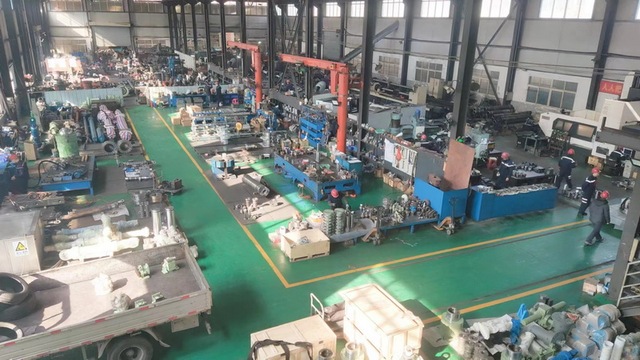
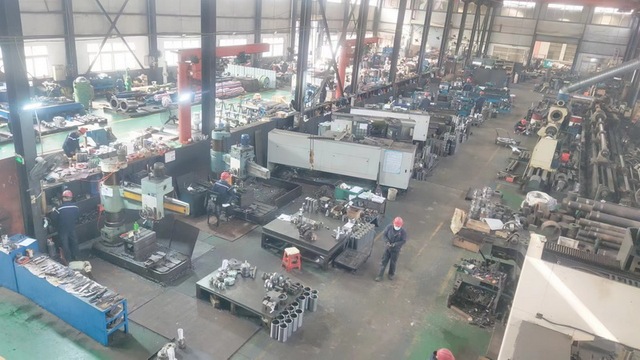
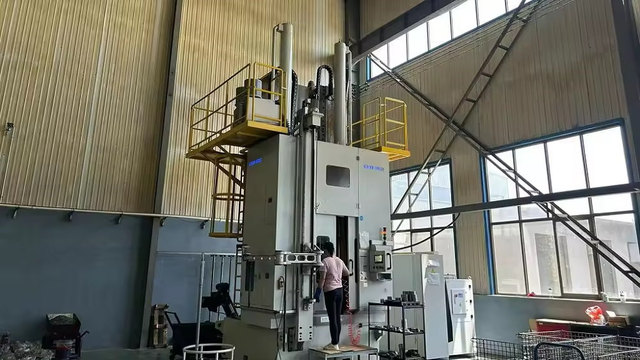
Our quality control process starts at the raw material stage. We verify the chemistry of the steel plates, structural frames, and tool steels using optical emission spectrometers. Once assembled, every hydraulic circuit undergoes dynamic load testing. We verify that pressure settings, thermal performance, and mechanical tolerances remain within design specifications under simulated working loads before shipping.

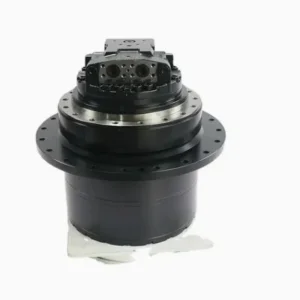
 Aksurion Hydraulic