Engineered for extreme performance, heavy-duty applications, and drop-in reliability.
Unlocking precise bolt elongation through engineered hydraulic pressure control.
Modern bolt tensioning requires load cells constructed from premium aerospace-grade alloys. These materials guarantee minimal fatigue under cyclical pressures exceeding 1500 bar. Choosing the correct manufacturer ensures your tensioning tools stand up to extreme mechanical stresses without localized material yield failure.
Unlike torque wrenches, hydraulic bolt tensioners apply axial load directly to stretch the bolt. By eliminating frictional variables from threads and nut faces, operators achieve accurate bolt elongation. This approach minimizes residual pre-load discrepancies in critical joint assemblies.
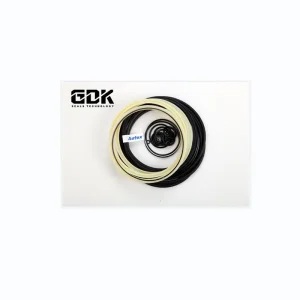
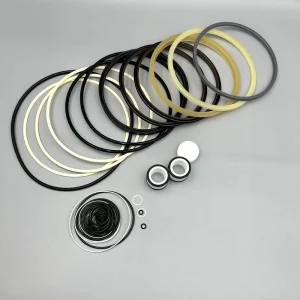
The seal is the heartbeat of high-pressure hydraulics. Our multi-stage polyurethane seals operate smoothly across temperature variations without risk of structural degradation. Combined with anti-extrusion rings, they ensure pressure stability during extended holding cycles.
Combining global standards with advanced production facilities in China.
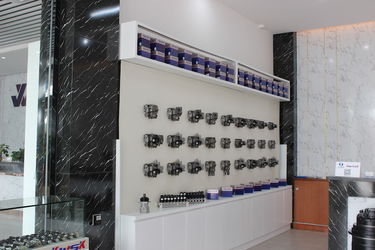
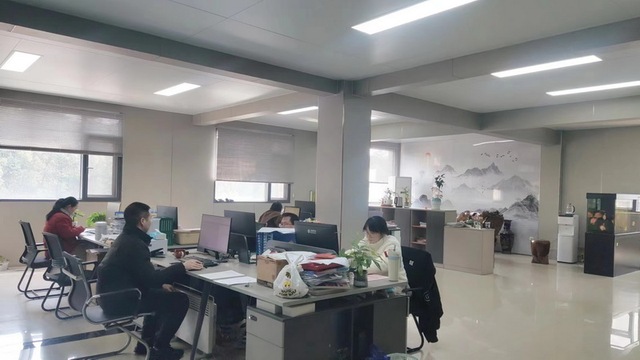
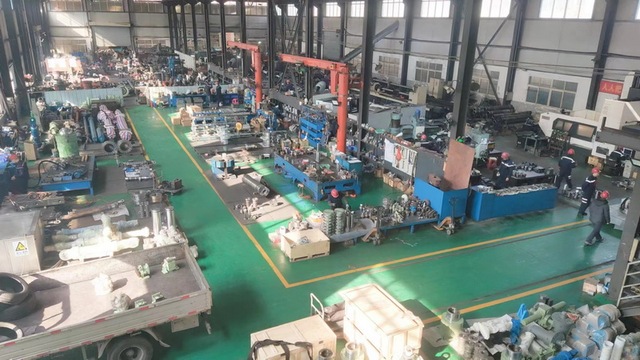
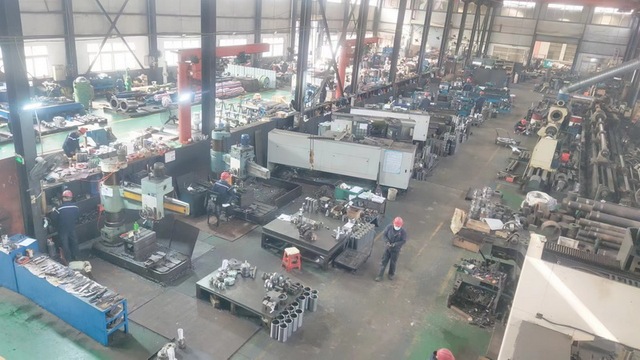
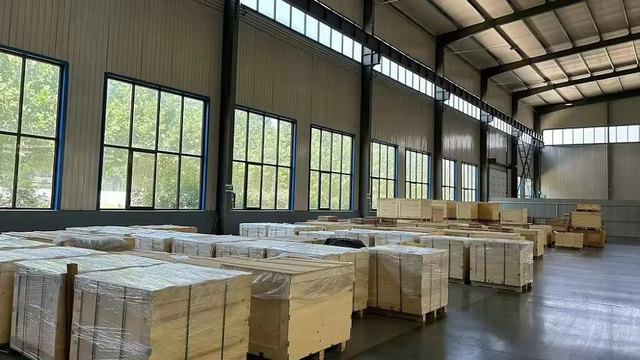
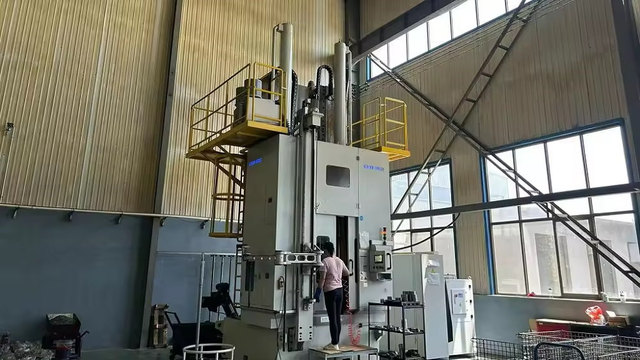
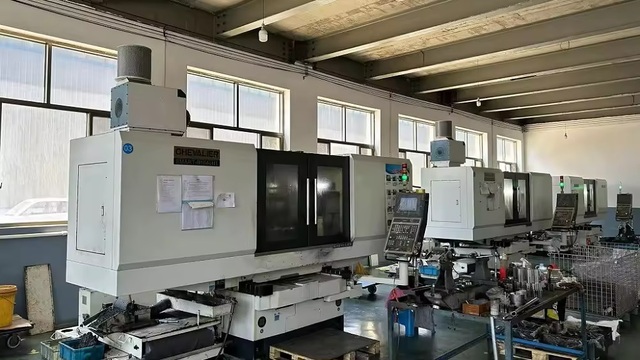

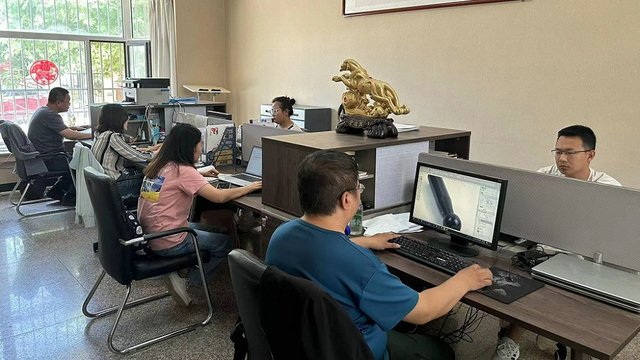
Why global OEMs partner with Purple Horn for high-spec hydraulic projects.
By blending core components from Germany, Japan, and Korea with Chinese machining capabilities, Purple Horn balances price with performance. This hybrid strategy allows us to source specialized seals and alloy components where they are produced best, passing the cost savings directly to global operators.
Every hydraulic tensioning system undergoes continuous pressure cycles to confirm seal stability, body yield limits, and thread durability. Advanced coordinate measuring machines (CMM) evaluate tool tolerances to ensure problem-free installation on offshore rigs and heavy processing equipment.
Our engineering team works closely with global standards organizations to align our processes with ASME PCC-1 bolting practices and CE Pressure Equipment Directives. This guarantees that all tools transition smoothly into Western operational architectures.
A comparative overview of mechanical performance and efficiency.
| Performance Parameter | High-Pressure Bolt Tensioning Tools | Hydraulic Torque Wrenches | Impact Wrenches & Manual Torque |
|---|---|---|---|
| Pre-load Accuracy | Excellent (Direct Axial Load, ±2% to 5%) | Moderate (Frictional Coefficient Variance, ±10%) | Low (Frictional Coefficient Variance, ±25%+) |
| Frictional Component Losses | Zero (No rotational friction applied to threads) | High (Up to 90% of energy lost as heat and friction) | Extremely High (Significant component wear) |
| Torsional Stress on Bolts | None (Pure tensile stretch) | Significant (Risk of thread galling and shear) | High (Risk of head deformation) |
| Simultaneous Tensioning | Highly Scalable (Synchronous multiple bolt stretch) | Difficult (Limited cross-bolting efficiency) | Impossible (Sequential single-bolt operations) |
| Wear & Lifetime Profile | High (Minimum moving components, low-wear) | Moderate (Requires frequent gear replacement) | Low (Rapid ratchet teeth degradation) |
How high-pressure hydraulics protect critical infrastructure across international territories.
Transitioning from manual mechanical execution to digital validation and precision control.
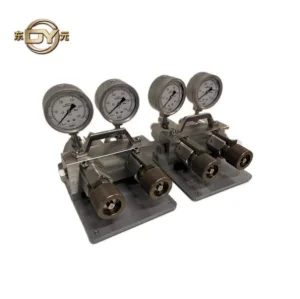
Modern wind farm developers and subsea pipeline networks are adopting smart connected pump stations. These units record and catalog target pressure metrics for each bolt, generating complete QA reports for maintenance records.
To reduce technician fatigue during high-altitude operations, manufacturers are integrating titanium alloys into tool body casings. This delivers tool weight reductions of up to 30% while retaining structural integrity.
Offshore marine operations face strict environmental rules. Because of this, developers are building next-generation high-pressure seals that work reliably with eco-friendly, biodegradable synthetic hydraulic fluids.
Direct answers from our senior hydraulic application engineering team.
Hydraulic tensioning stretches the bolt along its axis without rotating the nut, eliminating thread friction. Torqueing rotates the nut to tighten the joint, meaning up to 90% of the force goes toward overcoming friction. Tensioning provides better accuracy and consistency for critical setups.
For standard field operations, we recommend calibration checks every 12 months or every 1,000 cycles. For demanding offshore operations or hazardous petrochemical projects, calibrate your tools before each major project shutdown.
Yes. Our engineering division design custom puller sleeves, bridge configurations, and sockets to fit custom thread designs. We can adjust geometry to work around tight spatial limits on specialized machinery.
Our products include mechanical stroke limits with built-in overflow relief ports to prevent over-extension, relief valves on the pump lines, and drop-forged safety handles. We test every unit up to 1.5 times its rated pressure limit.
Engineered to support heavy machinery, mineral processing, and automated production setups.
 Aksurion Hydraulic