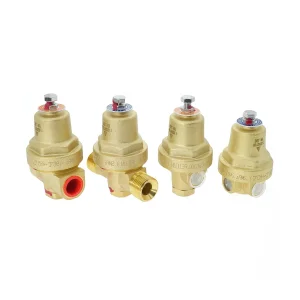
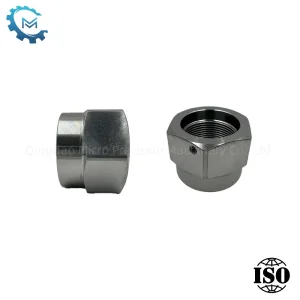
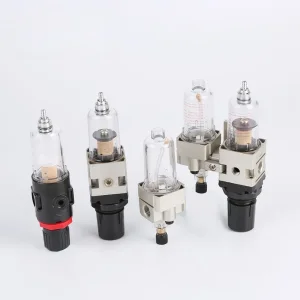
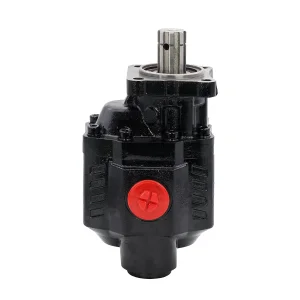
Explore our core hydraulic assemblies, precision pumps, and system control mechanisms engineered to international aftermarket specifications.
Hydraulic power control valves represent the brain of any modern high-pressure fluid power system. Responsible for regulating direction, control limits, fluid flow volume, and system pressure thresholds, these precision assemblies ensure that mechanical systems execute high-tonnage tasks with millimetric accuracy. In critical fields such as resource extraction, building infrastructure, maritime shipping, and military-grade logistics, minor deviations in valve spool tolerances or response times can lead to catastrophic system mechanical fatigue, pressure surges, or total operation downtime.
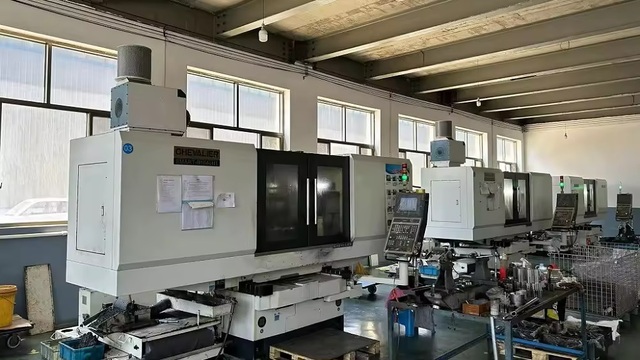
To mitigate these risks, designers must look beyond standardized specifications. Factors such as hysteresis loops, fluid shear resistance, internal valve leakage parameters, and thermal expansion compatibility must be thoroughly analyzed during system design. China's industrial manufacturing ecosystem has evolved from basic component reproduction to highly specialized manufacturing. Factories leverage modern, state-of-the-art CNC grinding centers, computerized test benches, and strict material analysis protocols to deliver components that meet or exceed global standards. This whitepaper analyzes the mechanical variables, supply chain dynamics, and regulatory landscapes that shape the design, procurement, and deployment of Chinese-manufactured hydraulic power control valves.
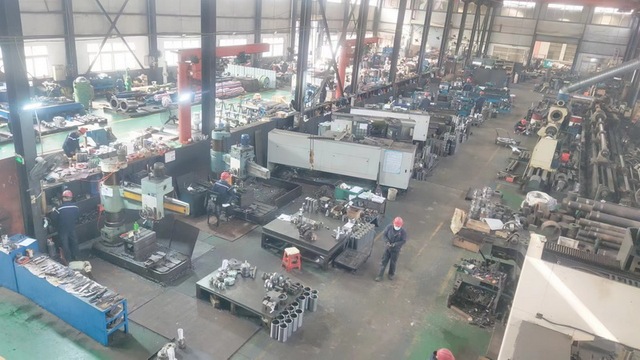
Modern industrial dynamics have made China the global epicenter for cost-efficient, high-precision hydraulic component manufacturing. This status is supported by integrated industrial clusters, advanced metallurgy access, and deep design and manufacturing partnerships. Leading organizations like Purple Horn have spent over 20 years cultivating these advantages, bridging local manufacturing efficiency with engineering input from German, Japanese, and Korean partners.
Our structural capabilities rest on three primary pillars:
Access to high-density ductile iron (e.g., GGG50, GGG60) and specialized alloy steels ensures that valve housings can withstand cyclic pressure pulses of up to 420 bar without material fatigue or housing deformation.
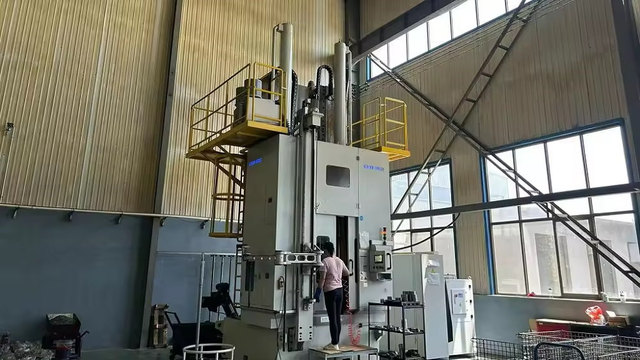
By using multi-axis Japanese CNC machines and German honing lines, our partner facilities maintain spool-to-bore clearances down to 2-4 microns, minimizing leakage while preventing spool sticking under high thermal loads.
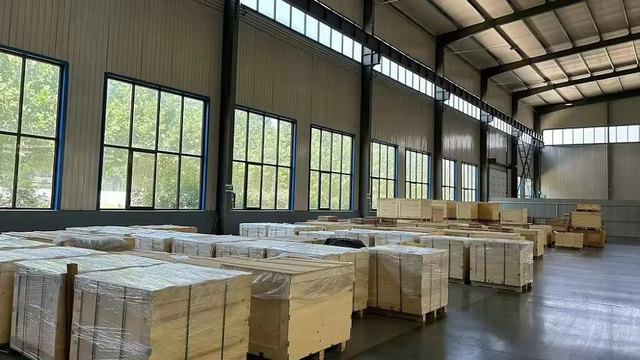
The concentration of raw material processors, heat treatment providers, seal developers (utilizing Japanese NOK or DuPont elastomers), and logistics nodes reduces lead times and lowers shipping costs.
By maintaining localized assembly and testing operations in China, and drawing on global expertise, Purple Horn provides aftermarket components that offer an optimal balance between service life, performance reliability, and cost-efficiency. Our mission remains focused: to build a highly cost-effective hydraulic brand while delivering fast, professional technical services to markets worldwide.
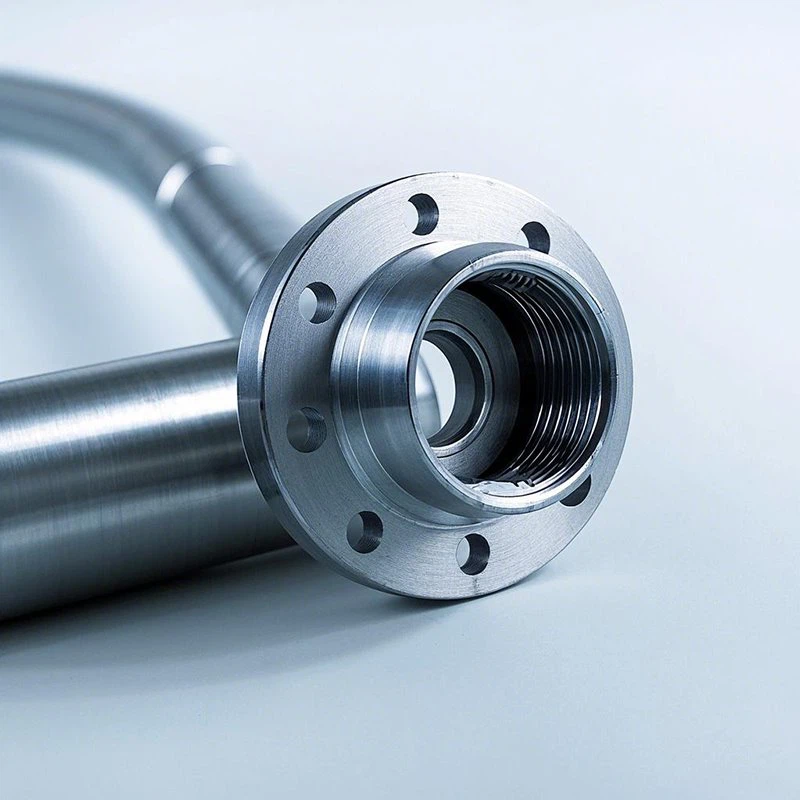
The performance of a hydraulic control valve is largely determined by its material composition and the precision of its design. When handling flow rates up to 600 L/min and pressures up to 350-420 bar, typical cast iron parts are prone to micro-fractures and structural erosion. Engineers must specify materials that offer high mechanical integrity and resistance to wear:
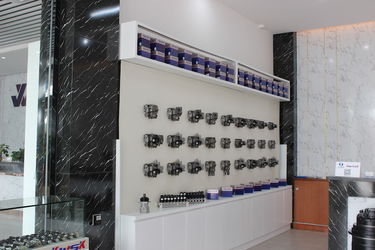
Through partnerships with European and Asian engineering firms, our quality control departments utilize 3D coordinate measuring machines (CMMs) and simulated hydraulic test loops. This approach verifies that every control valve assembly, gear pump, and travel motor performs reliably when installed in demanding heavy equipment systems.
Hydraulic systems must operate reliably under diverse and demanding environmental conditions. Different industries present unique engineering and operational challenges:
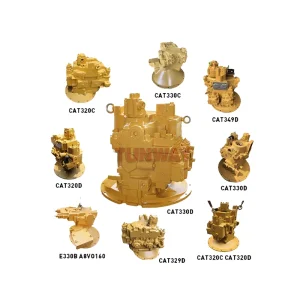
High impact loads, dust exposure, and fluctuating speeds require control valves with precise pilot control and overload relief. Main pumps and control blocks must integrate seamlessly with brands like Caterpillar, Komatsu, Volvo, and Sany to restore original performance levels.
Forging presses, injection molding machines, and industrial sheet-metal lines require rapid cycle rates and precise, continuous pressure regulation. Control valves in these applications must minimize fluid heating to prevent degradation of the hydraulic oil.
Operating in corrosive underground environments or under intense heat, components must meet strict explosion-proof specifications and resist corrosion. Specialized lubricants and filtration elements (such as our high-performance mining lubrication filters) are essential to prevent contamination.
Saltwater exposure requires valves with anti-corrosive coatings, marine-grade brass actuators, and stainless steel fasteners. Compliance with maritime classification societies (such as DNV, ABS, or Lloyd's Register) is required to ensure safe operation offshore.
To meet these diverse needs, Purple Horn provides comprehensive localization support. Our services include field engineering support, customized port configurations (BSP, Metric, or SAE), and certification compliance assistance (such as CE, RoHS, and EAC certifications). This ensures our components integrate smoothly into regional distribution networks and end-user operations.
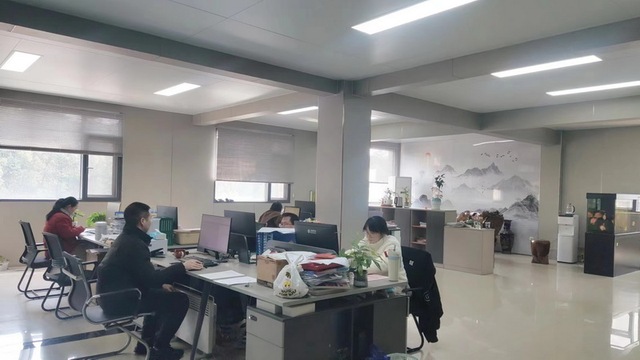
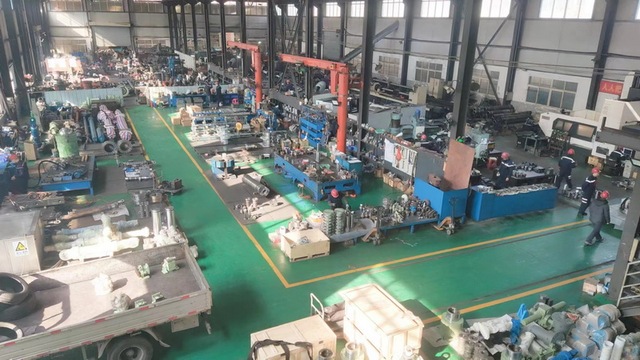

The global fluid power industry is transitioning from mechanical control toward digital, electro-hydraulic integration. This shift is driven by the demand for higher energy efficiency and real-time system diagnostics. Key technological developments shaping the industry include:
Our engineering teams actively follow these trends, collaborating with manufacturing partners to develop modular valve bodies that accommodate electronic spool-position feedback sensors. This forward-looking design philosophy helps our customers keep their machinery platforms compatible with modern control standards.
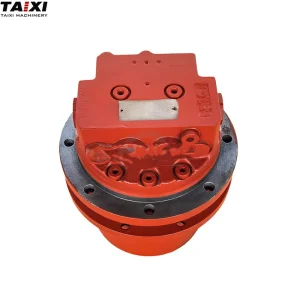
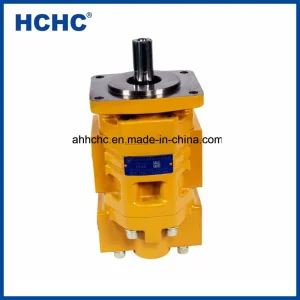
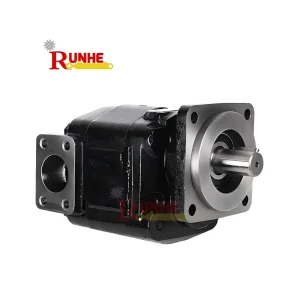
Complete your procurement cycle with our range of gear pumps, final drives, replacement filters, and valve sub-assemblies.
 Aksurion Hydraulic