Explore our premium machinery components designed for high-performance multi-station hydraulic assemblies.
Delivering high-integrity hydraulic solutions across global aftermarket networks.
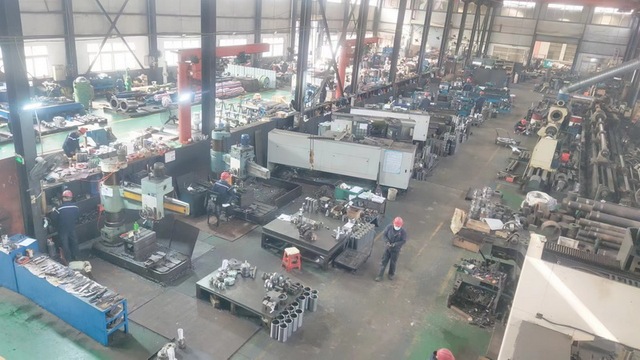
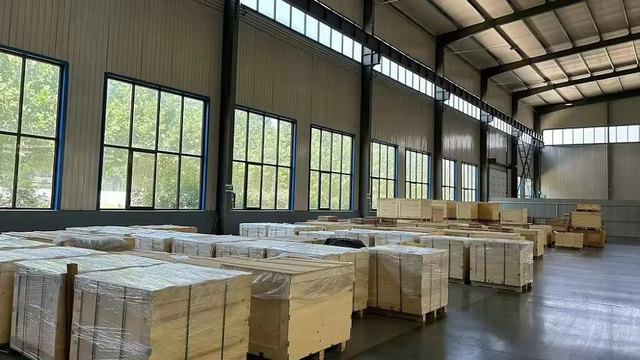
With over 20 years of development in China, Purple Horn has been committed to the design, development and manufacture of hydraulic components, mainly for ancillary services. With the increasing demand for high-end hydraulic components with stable product quality and reasonable prices in China and the global aftermarket, our manufacturing processes have evolved to meet rigorous international standards.
To ensure unparalleled cost-effectiveness without sacrificing reliability, the company has joined forces with hydraulic component manufacturers from German, Japanese, Korean, and Chinese clusters to gather the world's most cost-effective hydraulic components in Purple Horn. This powerful consortium model allows us to meet the needs of high-end hydraulic components in the global aftermarket with the most professional and fast service.
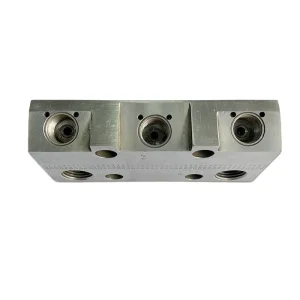
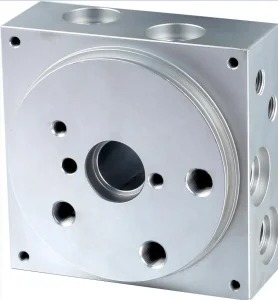
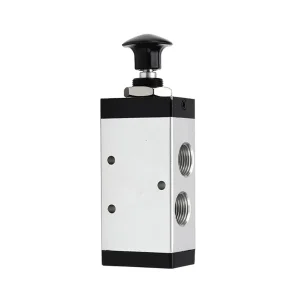
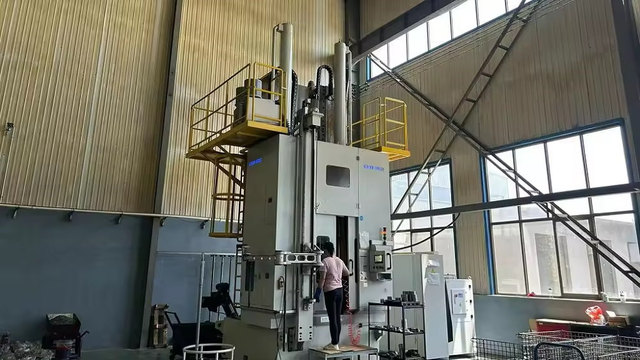
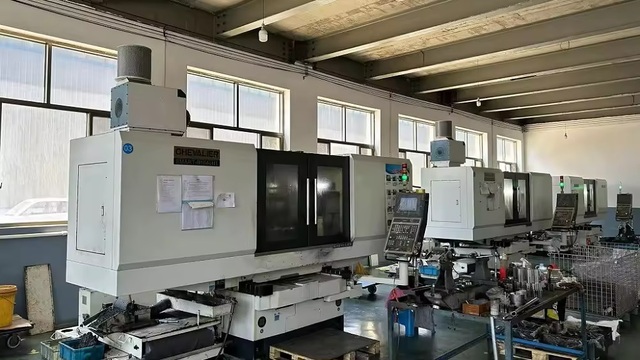
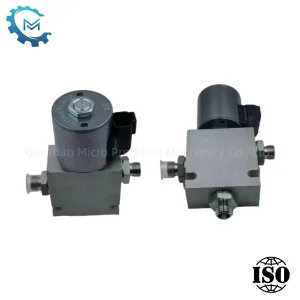
Through our dedicated R&D divisions and sophisticated mechanical equipment, we ensure that every multi-station machinery part, CNC manifold block, and solenoid valve performs predictably under severe duty cycles.
Deploying reliable mechanical solutions for extreme heavy-duty environments.
High-pressure multi-station manifolds distribute uniform hydraulic pressure to press beds, ensuring micron-level clamping precision and minimal pressure drops over multi-shift cycles.
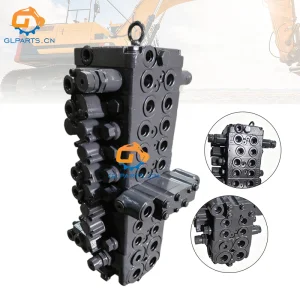
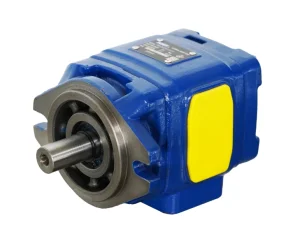
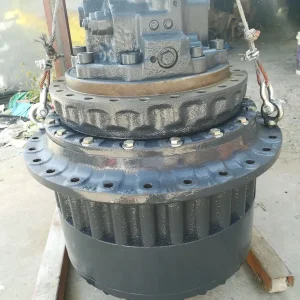
Heavy duty valving and distribution blocks optimized for excavator travel motors, bucket control circuits, and vibration-damped hydraulic gear pumps working under continuous mechanical shocks.
Corrosion-resistant copper and hard-anodized aluminum blocks designed to protect fluid paths in high-humidity, low-temperature environments, preventing early seal failures.
Discover the physical and mechanical traits that sustain operational uptime.
In high-pressure multi-station machinery, fluid dynamics must account for two major factors: friction-induced heat accumulation and internal micro-leakage. As oil passes through tight tolerances, pressure drops manifest as heat. By incorporating CNC carbon steel manifold blocks with specialized interior gallery designs, our manufacturing process reduces turbulence, resulting in stable temperatures.
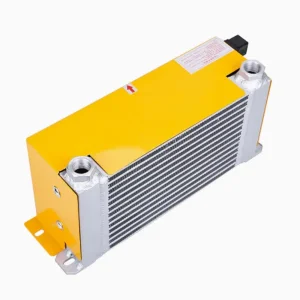
When system temperature increases, oil viscosity drops, compromising lubrication film thickness within internal gear pumps. Our air-cooled oil heat exchangers solve this issue by integrating high-airflow fans directly onto critical return lines, reducing stress on NBR/Viton seal kits.
Bridging global manufacturing tolerances with strict regional regulations.
To capture the international aftermarket, fluid interfaces must align with local dimensional standards. North American installations rely heavily on SAE J1926/1 straight thread ports to eliminate leakage risks. Meanwhile, European industrial environments prefer DIN 2353 bite-type compression fittings and ISO 6149 metric ports. Purple Horn bridges this gap by offering multi-standard machining options for all custom manifold blocks.
Furthermore, our electrical integration for solenoid valves conforms to IP65 and IP67 ingress protection standards, while motor units meet CE, UL, and CSA standards for safe operation in hazardous environments.
Engineering future-proof, energy-efficient solutions for the next decade.
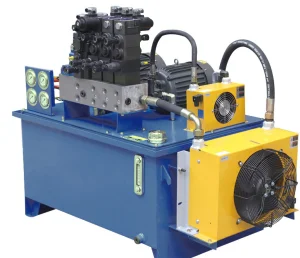
The industrial landscape is pivoting toward energy conservation and localized machine diagnostics. Our future product roadmap prioritizes variable-frequency hydraulic power units (HPU) that scale energy input dynamically. By integrating pressure transducers directly within the CNC manifold block galleries, we enable real-time telemetry extraction, supporting predictive maintenance and reducing unplanned downtime.
Where rigorous engineering meets high-precision manufacturing.

Answers to complex operational and system design questions.
Carbon steel manifolds offer high tensile strength and yield thresholds, making them ideal for systems running above 210 Bar. Carbon steel also prevents valve thread wear under cyclical loads. However, for applications requiring low weight, such as compact or mobile power units, 6061-T6 aluminum offers an excellent strength-to-weight ratio for pressures up to 210 Bar.
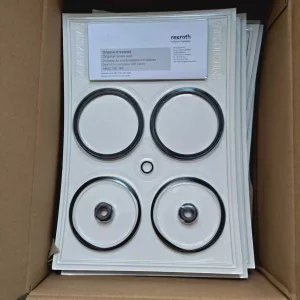
Rapid seal decay is typically caused by oil overheating or fluid contamination. High temperatures degrade NBR (Nitrile) seals, leading to hardening and leakage. In these environments, we recommend Viton (FKM) seal kits, which withstand temperatures up to 200°C, and regular filtration maintenance to protect valves and cylinders from particulate wear.
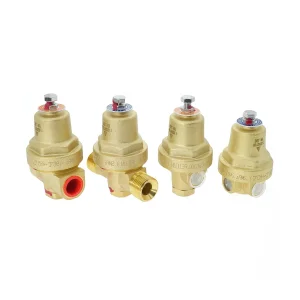
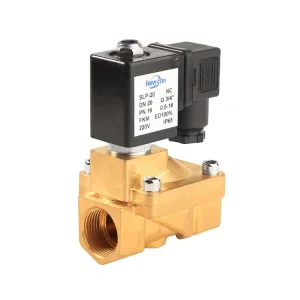
The DYS-06F copper valve is designed with internal clearances that account for higher fluid viscosity at low temperatures. Its copper construction also conducts heat more efficiently than cast iron, reducing local temperature drops and keeping fluid moving reliably.
Multi-station machinery experiences varying duty cycles, with pressure drops causing fluid heating. An oil-to-air heat exchanger keeps temperatures within the optimal range (45°C to 55°C), protecting component lifespans and preventing fluid breakdown.
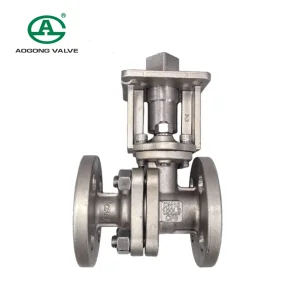
Complete your hydraulic setups with our high-durability aftermarket control valves.
 Aksurion Hydraulic