In modern industrial ecosystems, high-pressure fluid power is the lifeblood of manufacturing, extraction, maritime operations, and heavy infrastructure. A hydraulic hose reel is not merely a storage mechanism; it is an active component engineered to route high-pressure hydraulic fluid dynamic lines safely, preventing mechanical interference, premature wear, and cataclysmic fluid spills.
As global manufacturing sectors rapidly move towards automation and prolonged cycle times, the demands on hydraulic conduits have spiked. Modern systems require reels capable of withstanding pressures exceeding 5,000 to 10,000 PSI while simultaneously executing repetitive extension and retraction motions. The design, material selection, and tolerances of these reels determine the operational uptime of multi-million dollar industrial installations.
Choosing the right manufacturing partner is vital. Enterprise procurement managers must evaluate several factors beyond mere unit cost: rotational friction, spring fatigue resistance, swivel joint integrity under continuous load, and environmental resistance. This whitepaper analyzes why China hydraulic hose reels factories have evolved into primary global suppliers and details the criteria needed to build resilient OEM partnerships.
With over 20 years of intensive development in China, Purple Horn has dedicated its resources and engineering strength to the research, development, and manufacturing of high-grade hydraulic components, focusing primarily on auxiliary services. Recognizing the rising global demand for high-end hydraulic components featuring stable product quality at reasonable price points, Purple Horn has constructed a collaborative ecosystem with top hydraulic component manufacturers across Germany, Japan, Korea, and China.
By combining German metallurgical precision, Japanese lean manufacturing techniques, Korean advanced electronics, and China's industrial scale, Purple Horn aggregates the world's most cost-effective hydraulic components. We resolve the core paradox of aftermarket procurement: the choice between high-cost, long-lead-time OEM components and low-grade, unreliable budget options.
"We aim to build the most cost-effective hydraulic brand in the world." In pursuit of this objective, Purple Horn continuously pushes engineering boundaries, introduces new patents, and designs products tailored to the needs of the global aftermarket. Backed by sophisticated mechanical tooling and strict production technology, we provide high-quality products and comprehensive after-sales services.
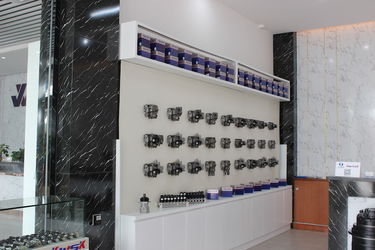
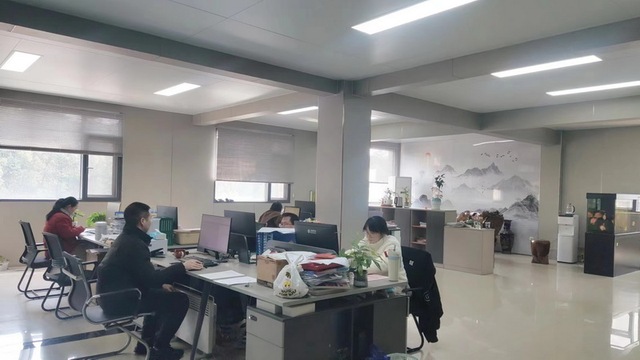
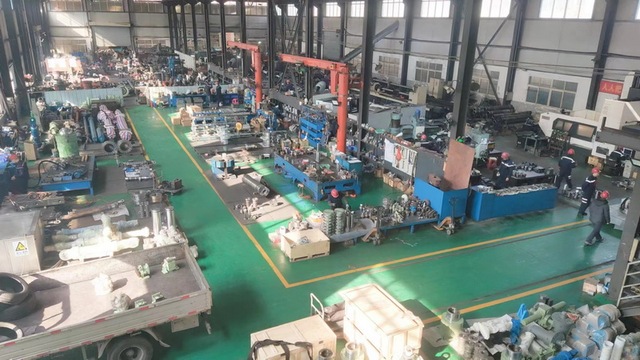
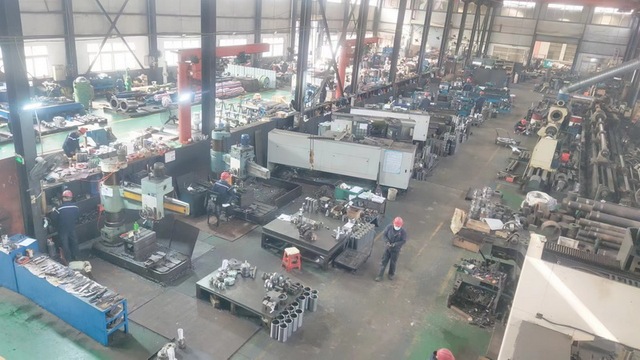
China's dominance in the global hydraulic market stems from structural factors, technological convergence, and cluster efficiencies. Industrial clusters in provinces like Zhejiang, Jiangsu, and Shandong host complete supply chains, reducing lead times for raw materials and surface treatments down to days.
Access to domestic high-tensile carbon steel, 304/316 grade stainless steel, and specialized brass alloys ensures that the structural integrity of the reel frames and drums can handle extreme operating cycles.
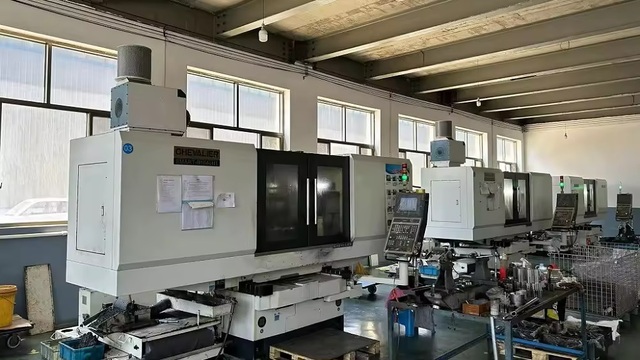
From automatic stamping machines and robotic welding arms to multi-axis CNC machines for swivel joint fabrication, factories control tolerances to micron levels, preventing fluid bypass.
Capital amortization rates are lower in Chinese manufacturing hubs, allowing factories to build custom reels for specialized applications without charging excessive tooling fees to international buyers.
For overseas buyers, this means access to high-performance equipment at a fraction of the cost of traditional Western manufacturers. The integration of international component brands under initiatives like Purple Horn ensures that critical failure points—such as seals, bearings, and control valves—meet global standards.
Compliance is a key factor when purchasing hydraulic assemblies. Because hydraulic fluid is pressurized, failure to comply with local safety and quality regulations can lead to import issues, regulatory fines, and workplace hazards. China's top exporters align their products with major international standards:
| Standard/Certification | Target Market/Jurisdiction | Relevance to Hydraulic Hose Reels |
|---|---|---|
| ISO 9001:2015 | Global Requirement | Standardizes factory quality management systems from raw materials to final pressure tests. |
| CE Certification | European Economic Area (EEA) | Mandates machinery safety, fluid dynamic stability, and pressure vessel compliance. |
| ATEX / IECEx | Hazardous Environments (Global) | Ensures electrostatic grounding of hose reels to prevent sparks in oil, gas, and mining applications. |
| SAE J517 / DIN EN 853 | Fluid Systems Compatibility | Regulates rubber compounds and wire reinforcement structures to handle operating pressures. |
Localization support also includes thread type customization. Hydraulic systems globally use various thread configurations. A factory's ability to supply BSPP (British Standard Parallel Pipe), NPT (National Pipe Thread), Metric, and JIC (Joint Industry Council) connections directly affects installation speed and reliability.
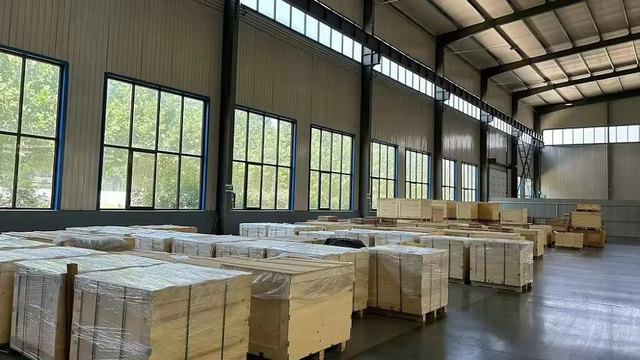
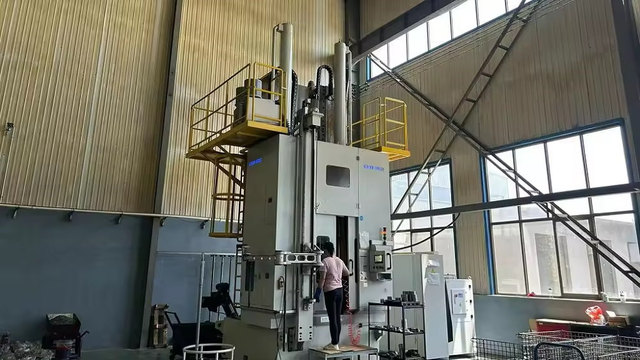
Hydraulic hose reels operate in demanding industrial environments. Selecting the right reel requires evaluating the specific conditions of its final application.
Marine environments require high corrosion resistance. Reels designed for offshore rigs feature hot-dip galvanized steel or 316 stainless steel frames, dynamic polyurethane topcoats, and sealed swivels to resist saltwater ingress.
Subterranean equipment faces impact and abrasive dust. Heavy-duty double pedestal frames protect the hose drum from alignment shifts, while impact-resistant steel shrouds safeguard structural integrity.
Mobile agricultural equipment demands compact, lightweight, high-capacity hose reels. Integrated spring-driven mechanisms allow operators to manage auxiliary lines without adding excessive weight to vehicle chassis.

The hydraulic hose reel industry is shifting towards smart diagnostic technologies and safety-first systems. The following trends shape the future of high-pressure fluid management:
Modern factories are developing reels with integrated strain gauges and temperature sensors. These modules track hose wear, speed of extension/retraction, and hydraulic temperature spikes, communicating directly with central PLC software to warn operators before component failure.
Uncontrolled hose snap-back is a primary safety hazard on shop floors. Advanced spring-driven reels now feature viscous damping systems that govern retraction speeds, protecting nearby workers and equipment.
With environmental policies pushing for biodegradable synthetic esters and vegetable-based hydraulic oils, traditional nitrile rubbers are prone to degradation. Top manufacturers are using Viton (FKM) and Hydrogenated Nitrile Butadiene Rubber (HNBR) seals as standard upgrades to prevent leaks.
 Aksurion Hydraulic