In industrial machinery and high-pressure hydraulic circuits, oil is not merely a lubricant—it is the vital medium that transmits power. According to hydraulic engineering research, up to 80% of hydraulic system failures are directly caused by fluid contamination. Particulate contamination acts as an abrasive agent, causing accelerated wear on high-precision internal surfaces of pumps, control blocks, and valve manifolds.
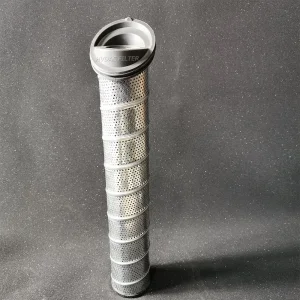
For procurement officers and maintenance engineers globally, selecting high-quality, CE-certified hydraulic filter elements is a critical decision that prevents catastrophic downtime. A CE mark ensures that the design, material selection, and pressure-bearing elements conform to stringent European safety, health, and environmental protection requirements (such as the Pressure Equipment Directive 2014/68/EU). Without these certifications, operators risk filter element collapse, fluid bypass, and the downstream contamination of high-value components like travel motors, swing motors, and proportional valves.
The global filtration industry is shifting toward smart diagnostic capabilities, high-capacity synthetic media, and stricter carbon-reduction compliance standards.
Integration of differential pressure transmitters and RFID tags into filter housings to provide real-time data on element life, flow velocity, and particulate saturation levels.
Transition from paper/cellulose media to multi-layered, inorganic microglass fibers. These fibers feature graduated density structures, resulting in lower pressure drop and higher dirt-holding capacity.
Eco-friendly, all-plastic filter cartridges that contain no metallic supporting cores. This design permits thermal disposal (incineration), significantly lowering environmental footprints and carbon tax costs.
Global procurement directors in construction, mining, agriculture, and manufacturing face intense pressure to minimize Total Cost of Ownership (TCO). A common mistake is optimizing for the lowest unit price of a filter element rather than calculating the lifetime operational cost. Cheap, uncertified elements present significant risks:
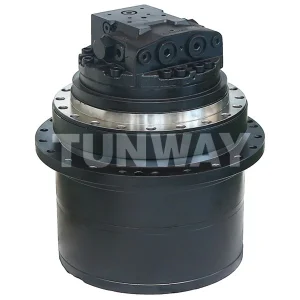
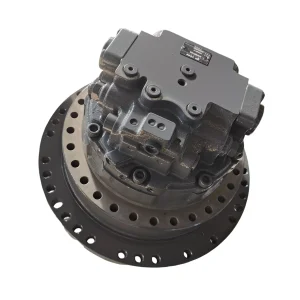
By vetting suppliers through standard ISO testing benchmarks, engineering buyers ensure that their systems—equipped with sophisticated units like final drive travel motors, high-precision valve blocks, and gear pumps—are shielded from premature component wear and catastrophic failures.
With over 20 years of development in China, Purple Horn has committed to the design, development, and manufacture of high-reliability hydraulic components, specializing in ancillary services.
In response to the increasing demand for high-end hydraulic components with stable quality and cost-effective pricing in both the domestic and global aftermarket, Purple Horn has partnered with premier hydraulic component manufacturers from Germany, Japan, Korea, and China. This collaborative network brings together the world's most cost-effective hydraulic technologies under one unified brand. We satisfy the demanding requirements of the global aftermarket through fast response times, strict quality control systems, and customized engineering services.
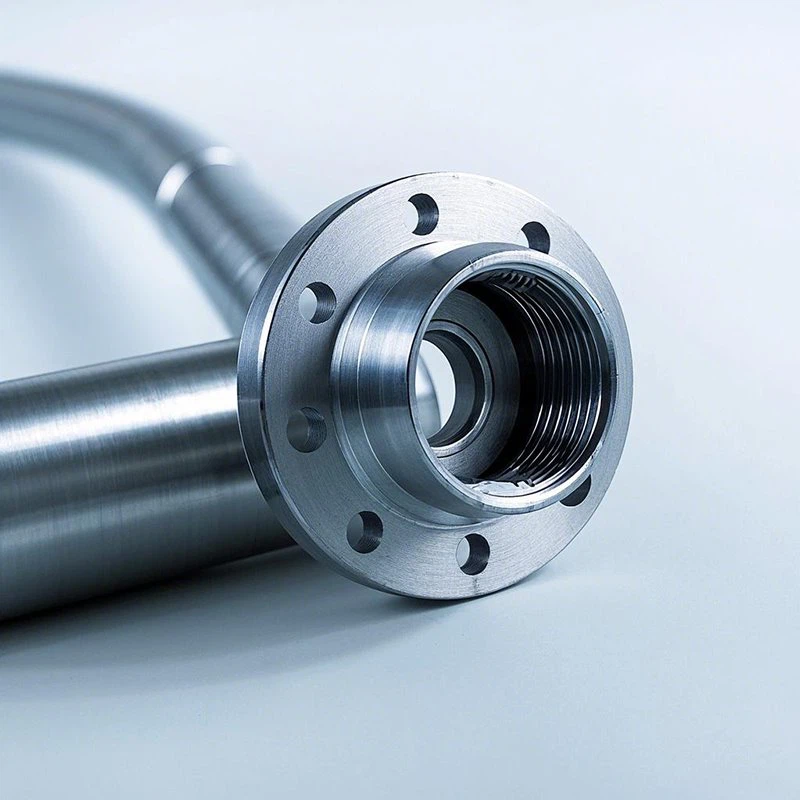
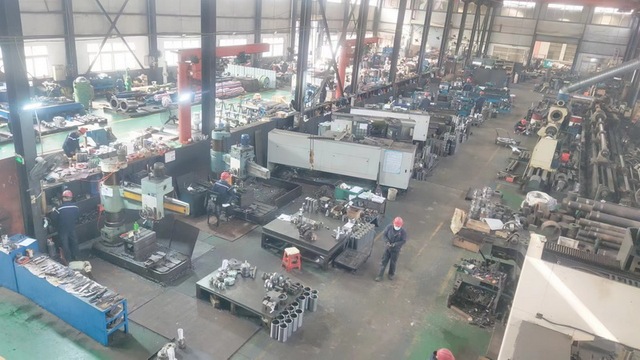
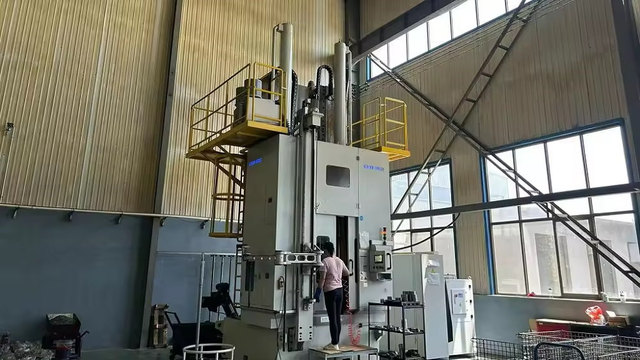
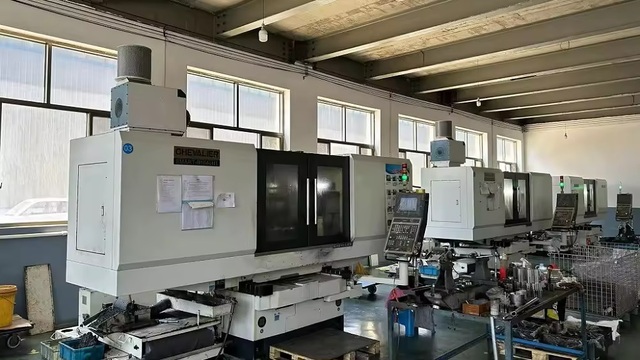
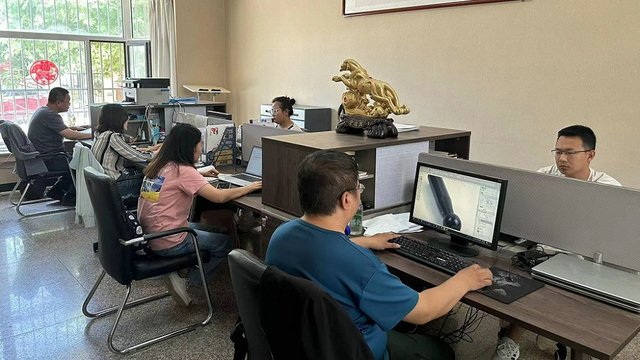
Leveraging state-of-the-art multi-axis CNC machines and automated testing benches, Purple Horn maintains strict manufacturing tolerances. Every process is integrated with a tracking system to trace raw materials through to finished products.
By enforcing rigorous testing of mechanical characteristics, dimensional accuracy, and seal integrity, we deliver products that match the performance parameters of premium global brands.
CE-certified hydraulic filter elements and integrated components find applications across several highly demanding fields:
In mobile machinery such as Komatsu, Caterpillar, and Volvo excavators, travel motors and main pumps operate under severe dust and dynamic loading conditions. High-efficiency return line filtration prevents system damage by capturing wear particles before they enter the hydraulic oil reservoir.
Large-scale metal stamping and forging presses use massive hydraulic power units. These systems rely on high-pressure inline filters to protect proportional valves and servo-valves from silting, ensuring sub-millimeter positioning accuracy.
Wind turbines operate in remote onshore and offshore environments. Clean fluid is vital for pitch control manifolds. The combination of off-line filtration loops and moisture-absorbing breather elements protects valves from water-induced degradation and corrosion.
The Beta Ratio (β) indicates a filter's efficiency at capturing particles of a specific size. It is determined by the multi-pass test (ISO 16889) and is calculated as the ratio of particles of a given size upstream of the filter to the number of particles of the same size downstream. For example, a β10 ≥ 1000 rating means that for every 1,000 particles of size 10 microns entering the filter, only 1 passes through, representing a 99.9% filtration efficiency at 10 microns.
CE certification ensures compliance with European union safety and environmental guidelines, particularly the Pressure Equipment Directive (PED). In high-pressure lines (often exceeding 210 to 420 bar), a non-certified housing or element poses a risk of fatigue failure, casing rupture, and fluid leaks, which present serious safety hazards for operators and nearby equipment.
Premature collapse is typically caused by excessive differential pressure (ΔP). This can occur due to: cold-start conditions where fluid viscosity is high; high levels of water or varnishing contaminants in the oil; or an undersized element. Elements must be engineered to withstand a specific collapse rating, typically 20 bar to 210 bar, depending on whether it is a low-pressure return line or a high-pressure line application.
Through partnerships with German, Japanese, and Korean manufacturing specialists, Purple Horn sources high-grade filter media and structural materials. We perform mechanical alignment, pleat density check, bubble point tests (ISO 2942), and pressure drop studies to ensure that our aftermarket replacements match or exceed OEM specifications.
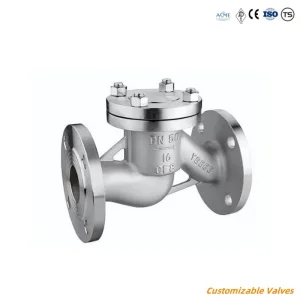
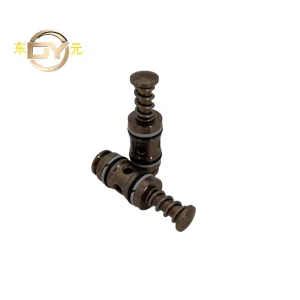
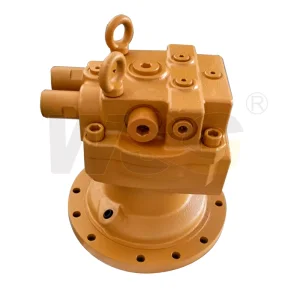
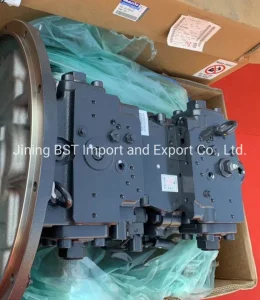
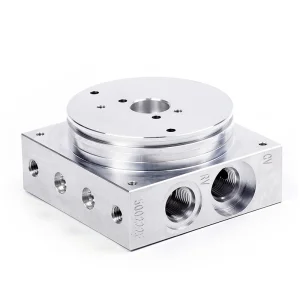
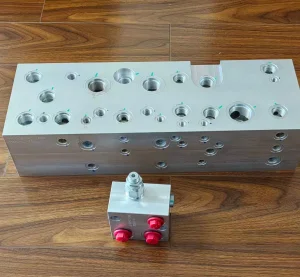
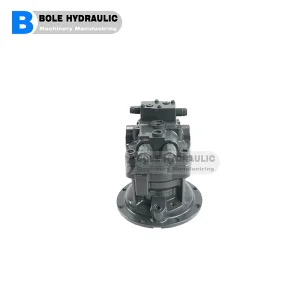
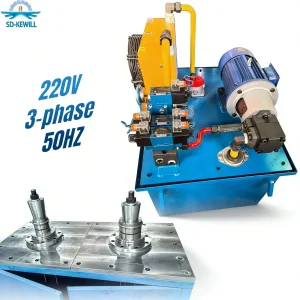
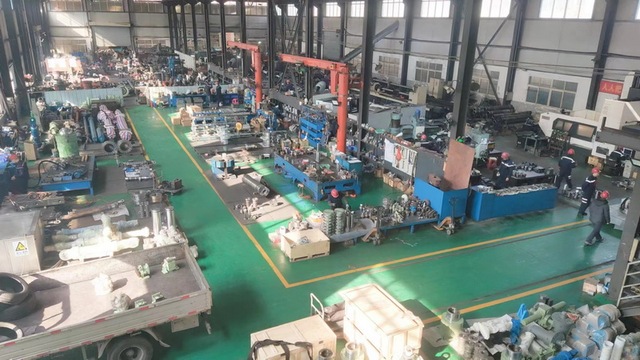
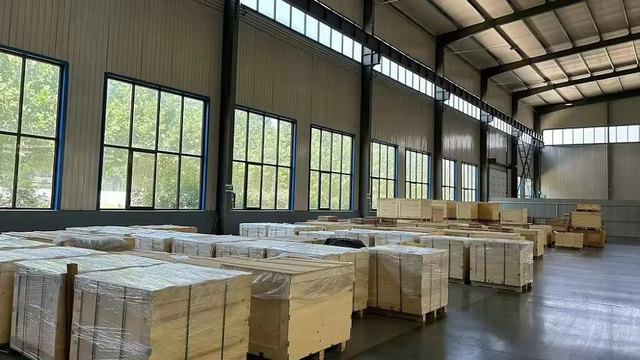
We operate and partner with world-class facilities to execute manufacturing processes, ensuring compliance with both national standards and CE requirements.
Purple Horn adheres to this guiding principle to support global industries. We continually introduce advanced components, optimize manufacturing efficiencies, and support customers worldwide through engineering expertise. We look forward to working with global machinery operators, distributors, and sourcing offices to achieve long-term machinery reliability.
 Aksurion Hydraulic