Hydraulic systems are essential in various industries, powering machines and equipment with efficiency. However, understanding "why do hydraulic components wear out over time" is crucial for maintenance and optimization. Dr. James Fulton, a leading expert in hydraulic engineering, states, "Proper maintenance can extend the life of hydraulic components, but they will inevitably wear down." This insight highlights the balance between proactive care and the natural degradation of materials.
Hydraulic components face several wear factors. Pressure fluctuations, temperature changes, and contaminants can accelerate deterioration. For instance, small particles in hydraulic fluid can cause significant damage over time. Regular checks and fluid cleanliness can help prevent premature wear.
Yet, despite best practices, wear is sometimes unavoidable. The materials used have limits. Components are designed for specific lifespans. Even with ideal maintenance, they will eventually reach a point of failure. Acknowledging this reality is vital for effective long-term planning in hydraulic operations.
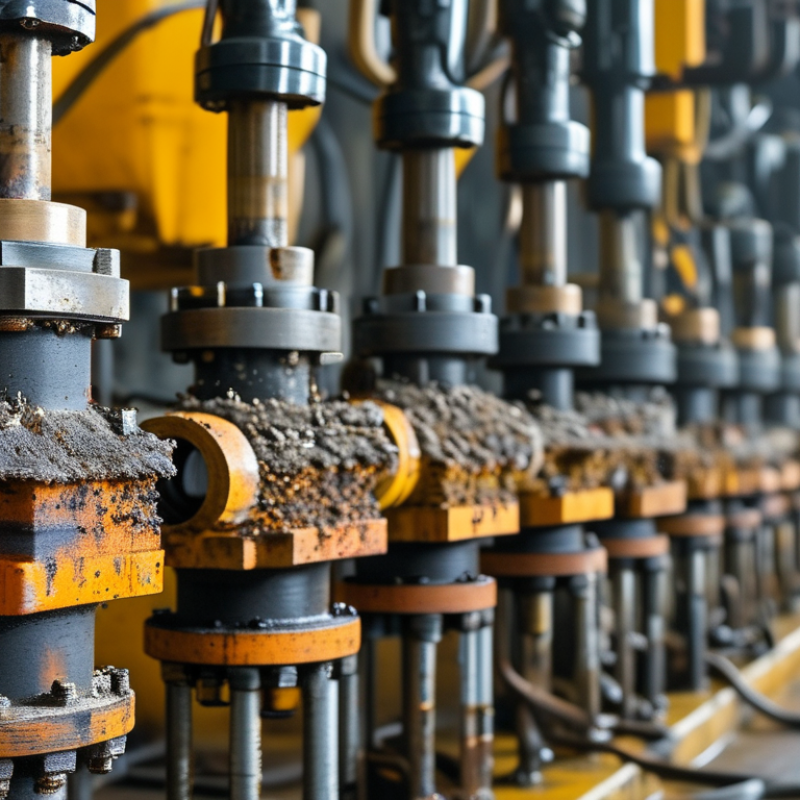
Factors Contributing to Hydraulic Component Wear and Tear
Hydraulic components endure significant stress due to constant fluid motion and high pressure. Over time, this can lead to wear and tear. One critical factor is fluid contamination. Particles and debris can enter the hydraulic system, abrasive against the surfaces of pumps and cylinders. This increases friction and accelerates wear.
Another important factor is temperature fluctuations. Excessive heat can degrade the fluid's viscosity, making it less effective as a lubricant. When lubrication fails, metal surfaces collide more harshly, creating more damage. This cycle of wear can compromise system integrity.
Finally, improper maintenance plays a major role. Neglecting routine checks can result in unnoticed leaks or fluid imbalances. Components may wear unevenly, leading to premature failures. Operators often underestimate the significance of fine details in their systems, which can have lasting impacts. Regular monitoring and maintenance are essential for prolonged performance.
Factors Contributing to Hydraulic Component Wear and Tear
| Factor |
Description |
Impact on Wear |
Preventive Measures |
| Fluid Contamination |
Particulates or moisture in hydraulic fluid |
Increased friction and wear |
Regular filtering and fluid checks |
| Operating Temperature |
Excessive heat from operation |
Degradation of seals and components |
Maintain optimal temperature through cooling systems |
| Pressure Fluctuations |
Spikes and drops in hydraulic pressure |
Stress on seals and hoses |
Use pressure regulators and relief valves |
| Mechanical Misalignment |
Improper alignment of components |
Uneven wear on parts |
Regular inspections and realignments |
| Operating Conditions |
Environment and workload |
Accelerated wear in harsh environments |
Adapt equipment for specific conditions |
Common Types of Hydraulic Component Wear Mechanisms
Hydraulic components can experience various wear mechanisms over time. Understanding these mechanisms is crucial for predicting maintenance needs. Common forms of wear in hydraulic systems include abrasion, corrosion, fatigue, and cavitation. Each type affects performance differently. For example, abrasion results from debris in the hydraulic fluid, leading to surface damage and reduced efficiency. Reports indicate that around 70% of failures in hydraulic systems stem from abrasive wear.
Corrosion, another significant concern, can occur due to chemical reactions within the hydraulic fluid. Water and contaminants can promote rust, leading to leaks and component failure. A recent industry study highlighted that corrosion-related failures cost companies an estimated $150 billion annually. Fatigue wear, caused by repeated stress cycles, compromises structural integrity. In high-pressure applications, fatigue can lead to critical failures. A noticeable flaw in many systems is the lack of regular fluid analysis to detect signs of wear, which exacerbates these issues.
Cavitation occurs when vapor bubbles form and collapse in the fluid, damaging surfaces. This mechanism often goes unrecognized until significant damage has occurred. Awareness of these processes is essential for effective maintenance. Many operators neglect regular inspections, missing early signs of wear. Addressing these wear mechanisms can lead to longer-lasting hydraulic systems and substantial cost savings in the long run.
Impact of Operating Pressure and Temperature on Component Longevity
Operating pressure and temperature significantly affect the longevity of hydraulic components.
High pressure can lead to stress and fatigue in materials.
Over time, these stresses can cause cracks or failures. When the pressure exceeds a component's design limits,
the wear accelerates dramatically. This is critical in systems with varying loads that can create pressure spikes.
Temperature plays a similar role. Elevated temperatures can degrade lubricants and seals.
This degradation can result in less effective lubrication, increasing friction and wear.
Components working in high-temperature environments often fail prematurely
due to thermal expansion and contraction. Additionally, temperature fluctuations might introduce cycle fatigue,
which weakens the structural integrity of parts.
It is important to monitor both pressure and temperature regularly. Noting these parameters can help predict potential failures.
Some systems might operate well for years, while others fail unexpectedly. Understanding the unique demands of each hydraulic system is vital.
Components may not show visible signs of wear until it's too late. This highlights the need for ongoing assessments and strategic maintenance.
Role of Fluid Quality and Contaminants in Hydraulic System Degradation
Hydraulic systems operate under pressure, making fluid quality crucial. Contaminants can seep in from various sources. Dust, metal shavings, and moisture are common culprits. Even minor particles can lead to significant wear. Over time, these particles scratch and erode hydraulic components, reducing performance.
Tip: Regularly check fluid quality to ensure optimal operation. Use filters to catch contaminants early. This simple step can extend the life of your system.
It's not just about maintaining clean fluid; it's about awareness. Some operators overlook fluid levels or ignore warning signs. Fluid degradation can occur without visible signs. Even oil can spoil over time, losing its lubricating properties. Operators should remain vigilant and proactive.
Tip: Schedule periodic fluid analysis. Testing can reveal hidden problems before they escalate. Being proactive is essential in avoiding costly repairs and prolonged downtime. Remember, neglecting fluid quality can lead to inevitable system failures.
Maintenance Practices to Mitigate Hydraulic Component Wear Over Time
Hydraulic components play a crucial role in many machines. Over time, they can wear out due to pressure, heat, and contamination. Regular maintenance is vital to prolonging their lifespan. One effective practice is to frequently check fluid levels and quality. Fluid contamination can lead to premature wear, so using proper filtration systems is essential.
Another key aspect is monitoring operating conditions. High temperatures can degrade hydraulic fluid and components. Keeping systems within recommended temperature ranges helps maintain efficiency. Additionally, inspect seals and hoses regularly. They can deteriorate and lead to leaks. Prompt replacement can prevent further damage.
Training staff on best practices is important. Many people overlook minor issues, leading to bigger problems. Regular training sessions can emphasize the importance of vigilance. Using checklists can ensure that no detail is missed during maintenance. This proactive approach can significantly reduce unexpected failures.
Hydraulic Component Wear Over Time
This chart illustrates the wear levels of hydraulic components over a span of five years under different operational conditions.
FAQS
: High pressure can cause stress and fatigue, leading to cracks or failures over time.
Elevated temperatures can degrade lubricants, increasing friction and wear, leading to premature failure.
Wear accelerates dramatically, increasing the risk of component failure in hydraulic systems.
It may cause cycle fatigue, weakening parts due to thermal expansion and contraction.
Monitor fluid levels and quality, as fluid contamination can lead to premature wear.
Training helps staff notice minor issues before they develop into larger problems that affect performance.
Regularly inspect seals and hoses and replace them promptly to avoid further damage.
Using checklists ensures that no detail is missed, helping to reduce unexpected failures.
Components may not show visible signs until it's too late, making regular assessments essential.
Keeping systems within recommended temperature ranges helps maintain efficiency and prolongs component life.
Conclusion
Hydraulic components are crucial for the efficient functioning of hydraulic systems, but understanding why do hydraulic components wear out over time is essential for maintaining their performance. Several factors contribute to this wear and tear, including operating pressure and temperature, which significantly impact component longevity. High pressures can accelerate the degradation of materials while extreme temperatures may lead to thermal fatigue. Additionally, the quality of hydraulic fluid and the presence of contaminants play a vital role in the degradation process, as impurities can cause erosion and corrosion.
To mitigate hydraulic component wear, implementing effective maintenance practices is critical. Regularly monitoring fluid quality, maintaining optimal operating conditions, and performing timely replacements can extend the lifespan of hydraulic components. By addressing these factors, users can enhance the reliability and efficiency of their hydraulic systems, ultimately reducing unexpected failures and downtime.

 Aksurion Hydraulic