Hydraulic systems are critical in various industries, yet pressure issues can disrupt operations. Understanding how to troubleshoot hydraulic pressure problems is essential for maintenance and efficiency. Expert Tom Hawkins, a hydraulic systems engineer with over 20 years of experience, emphasizes, “Identifying the root cause of pressure drop is key to effective repairs.” His insight reflects the industry's need for robust solutions.
When hydraulic pressure malfunctions, the impact can be significant. Equipment may fail, leading to production delays. To tackle these challenges, operators need a systematic approach. This article outlines ten practical tips to address pressure issues effectively. Each tip draws from real-world scenarios, combining theoretical knowledge with hands-on experience.
Many technicians face uncertainties when dealing with hydraulic systems. Mistakes happen, and not every attempt leads to immediate success. Accepting this fact is the first step towards improvement. By following these outlined strategies, professionals can enhance their troubleshooting skills. This leads to better system reliability and reduced downtime in the long run.
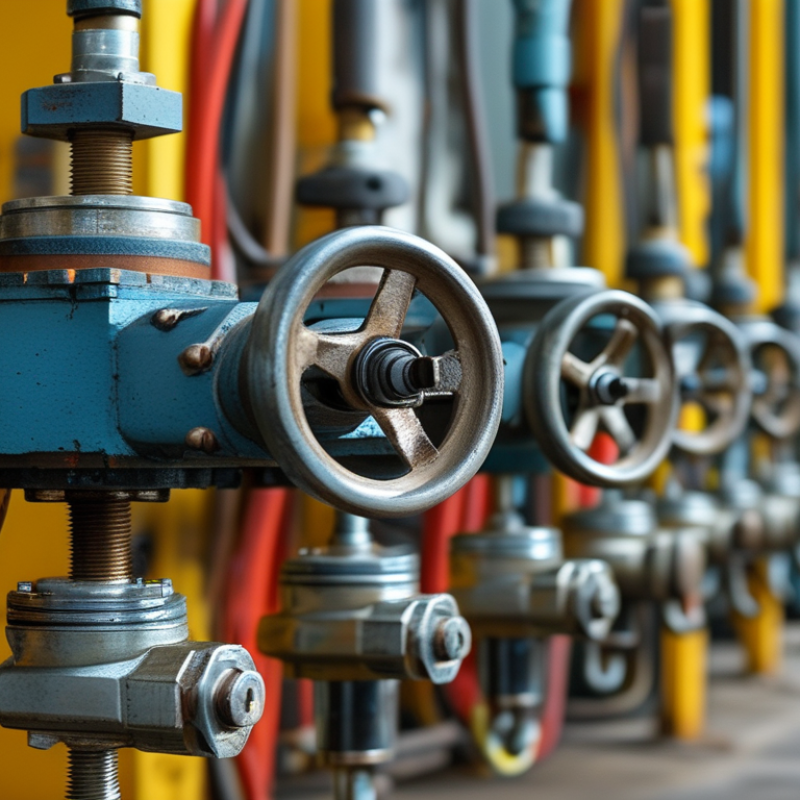
Identifying Common Symptoms of Hydraulic Pressure Issues
Hydraulic pressure issues can lead to significant operational problems. Identifying common symptoms is crucial for effective troubleshooting. One major indicator is a noticeable drop in system efficiency. If your machinery is slower, it might be struggling with inadequate pressure. This can happen when fluids leak or when filters become clogged. Regular checks on fluid levels and filter conditions can help prevent this.
Another common symptom is unusual noises. Grinding or whining sounds from hydraulic equipment may signal internal damage. Such noises often indicate that the hydraulic fluid is aerated or contaminated. This situation can be corrected by ensuring proper maintenance and timely fluid changes. Visual inspections are also vital. Look for leaks or signs of wear in hoses and connections. Small cracks can lead to significant performance issues.
Pay attention to pressure gauges as well. A consistently low reading may suggest issues with pumps or valves. Regular calibration of gauges can help ensure accurate readings. If you notice fluctuations in pressure, it’s important to investigate further. Ignoring these signs could lead to more severe mechanical failures. Each symptom offers a clue, but they require timely action and careful analysis to address effectively.
Understanding the Role of Hydraulic Fluids in Maintaining Pressure
Hydraulic systems rely heavily on hydraulic fluids. These fluids facilitate force transfer, cooling, and lubrication. According to industry reports, approximately 75% of hydraulic system failures relate to fluid contamination. Proper management of hydraulic fluids is essential for maintaining optimal pressure.
Regularly checking fluid levels and quality helps prevent issues. Using the wrong type of fluid can lead to system inefficiencies. Different applications require specific fluid properties. For instance, fluids must have appropriate viscosity and thermal stability. Industry guidelines recommend regular analysis of hydraulic fluid samples to detect contamination. This process can prevent catastrophic failures.
Moreover, understanding the role of additives in hydraulic fluids is critical. Additives enhance performance by improving seal compatibility and reducing foaming. The right combination can extend the life of hydraulic systems. However, not all products perform as expected. Using unverified additives may lead to unpredictable results. Operators need to assess these risks carefully and choose wisely.
Step-by-Step Guide to Inspecting Hydraulic Components
Inspecting hydraulic components requires a systematic approach. Start by checking the hydraulic fluid levels. Low fluid can lead to pressure issues. Next, examine the hydraulic lines for leaks or damage. Cracks can cause fluid loss, leading to inefficient operation. Pay attention to connections as well; loose fittings may allow air into the system. Air can disrupt pressure and performance.
Move on to inspecting the hydraulic pump. Listen for unusual noises. A grinding sound could indicate wear or damage. Check for any signs of overheating as well. Ensure that all electrical connections are secure. A malfunctioning sensor can also impact performance. It’s wise to maintain a log of these inspections. Recording your findings helps identify patterns over time.
Finally, don’t overlook the hydraulic cylinder. Inspect it for any signs of leakage. A leaking cylinder can significantly reduce system pressure. Check the seals and ensure they are in good condition. Be prepared to replace any worn components. These steps will enhance your troubleshooting process. Being methodical can lead to more efficient repairs and more reliable performance.
Hydraulic Pressure Troubleshooting Data
The bar chart above illustrates the relative importance of different troubleshooting steps in identifying hydraulic pressure problems. Each step is represented by a percentage, providing a visual guide for efficient inspection.
Utilizing Pressure Gauges for Accurate Diagnostics
Hydraulic pressure issues can be complex and difficult to diagnose. Utilizing pressure gauges is crucial for accurate diagnostics. These gauges provide real-time data on pressure levels, allowing you to spot irregularities quickly. Regularly calibrating your gauges ensures they deliver reliable readings.
Using pressure gauges, check for abnormal pressure fluctuations. Such changes might indicate blockages or leaks in the system. Identifying these issues early can prevent costly repairs later. Ensure that your gauges are installed in areas with minimal vibrations to avoid erratic readings.
Monitor your hydraulic fluid’s temperature. High temperatures can lead to inadequate lubrication, affecting pressure stability. A simple inspection of fluid levels can also reveal potential problems. Don’t ignore signs of wear in hoses and seals. These components can contribute to pressure inconsistencies. A thorough examination can save time and resources. Each of these steps enhances your troubleshooting efficiency, bringing clarity to complex hydraulic problems.
Preventive Measures to Avoid Future Hydraulic Pressure Problems
Hydraulic systems are critical in numerous industrial applications. However, pressure problems can arise, leading to inefficiencies. Preventive measures play a significant role in avoiding these issues. Regular maintenance checks are essential for ensuring that fluid levels, filters, and seals are in optimal condition. According to a study by the International Fluid Power Society, 80% of hydraulic failures are due to contaminated fluid. Implementing a solid filtration strategy can significantly mitigate this risk.
Using quality hydraulic fluids is crucial. Low-grade fluids often lead to increased wear and system failures. A report from the Hydraulic Systems Research Group indicated that using recommended fluid types can extend the lifespan of hydraulic components by up to 30%. Additionally, operators should regularly monitor pressure gauges and sensors. Neglecting these simple checks can result in significant downtime and costly repairs. Creating a routine schedule for inspections helps maintain system integrity.
Employee training is another vital element. Workers must understand the hydraulic system's operation, identifying warning signs early. A well-informed team can address potential issues before they escalate. Inadequate knowledge can lead to costly mistakes. Informing employees on best practices can enhance not just the system's efficiency but also workplace safety. Investing time in preventive measures can yield substantial savings in the long run.
Conclusion
Hydraulic pressure problems can significantly impact machinery performance, so knowing how to troubleshoot hydraulic pressure problems is essential for maintenance and efficiency. The first step involves identifying common symptoms, such as unusual noises or fluctuating pressures. Understanding the role of hydraulic fluids is crucial, as they help maintain pressure and ensure smooth operation. A thorough inspection of hydraulic components, following a step-by-step guide, can reveal wear or damage that may cause pressure issues.
Utilizing pressure gauges allows for accurate diagnostics, pinpointing specific areas that may require attention. Additionally, implementing preventive measures can help avoid future hydraulic pressure problems, ensuring the reliability of machinery over time. By following these guidelines, operators can effectively address and mitigate hydraulic pressure issues, enhancing overall operational performance.

 Aksurion Hydraulic