Hydraulic systems play a crucial role in various industries. Issues with hydraulic pressure can disrupt operations and lead to costly downtime. Understanding how to troubleshoot hydraulic pressure problems is essential for maintaining equipment efficiency. John Smith, a renowned hydraulic systems expert, emphasizes that “Identifying the source of pressure loss is key to effective troubleshooting.”
Many technicians face challenges when diagnosing hydraulic pressure issues. A drop in pressure can stem from leaks, blockages, or component failure. Each scenario requires a distinct approach, highlighting the complexity of such systems. Without proper knowledge, mistakes can happen, leading to further complications. It's not uncommon for professionals to overlook small leaks, which can escalate into larger issues.
Effective troubleshooting begins with a systematic approach. Using pressure gauges can provide real-time insights into system performance. Regular maintenance and inspections also play a vital role in preventing problems. A proactive mindset can save time and resources. Despite best efforts, troubleshooting can sometimes feel overwhelming. Engaging with experienced colleagues or consulting manuals may provide fresh perspectives. Ultimately, mastering how to troubleshoot hydraulic pressure problems demands both practice and patience.
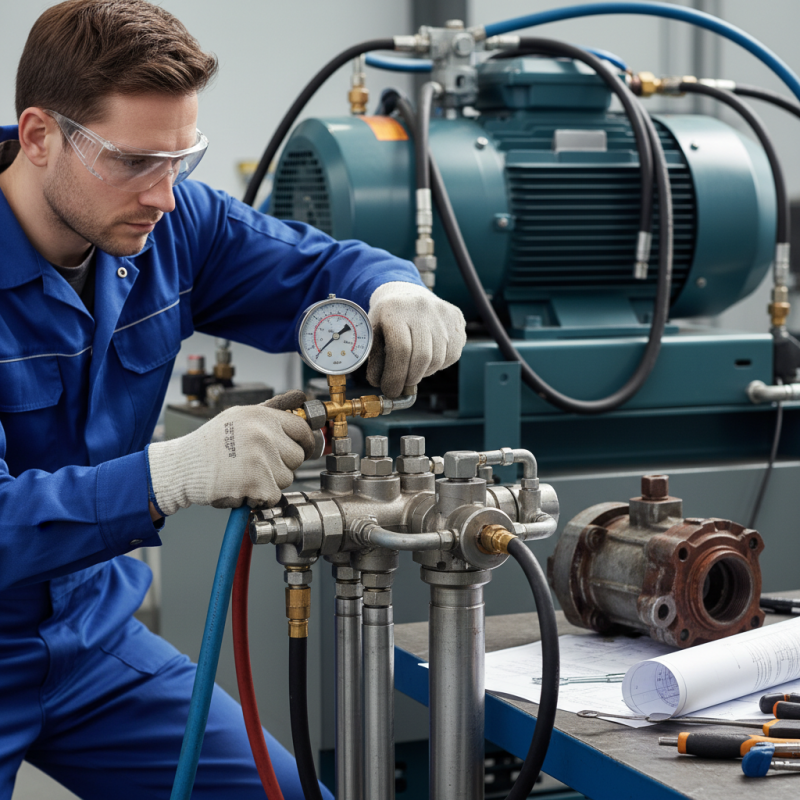
Understanding Hydraulic Pressure Basics and Importance
Hydraulic pressure plays a crucial role in various machinery and systems. Understanding its basics helps identify issues quickly. The pressure generated in hydraulic systems is vital for their performance. A well-maintained system operates efficiently. However, pressure problems can arise due to leaks, blockages, or component wear.
Tips: Regularly check the hydraulic fluid level. Low fluid can cause inconsistent pressure. Inspect hoses and connections for leaks, as even small leaks can lead to significant pressure drops.
Monitoring temperature is also important. High temperatures can indicate issues such as overloading or failing components. Addressing overheating promptly can prevent further damage and maintain consistent pressure.
It’s essential to recognize that troubleshooting can be a complex process. Even experienced technicians may miss subtle symptoms. Taking time to review pressure readings and system performance can reveal hidden problems. Creating a log of changes and repairs may illuminate patterns over time.
Identifying Symptoms of Low or High Hydraulic Pressure
Hydraulic systems play a crucial role in machinery, and pressure issues can lead to significant setbacks. Identifying symptoms is essential for effective troubleshooting. Low hydraulic pressure often results in sluggish operations, including slower movements and diminished lifting capabilities. In some cases, you might notice strange sounds coming from the system. These indicators suggest a need for attention.
On the other hand, high hydraulic pressure can cause alarming issues. It may lead to leaks, bursting hoses, or even damage to system components. If you observe pressure gauges consistently showing elevated readings, take immediate action. Ignoring these signs can result in larger failures down the line, which may be costly to repair.
**Tips:** Regularly check your fluid levels and ensure proper filtration. Keep an eye on the system's performance and listen for unusual noises. This proactive approach can help you identify problems early on. Remember, maintaining the right balance of hydraulic pressure is key to the longevity of your equipment. Don't overlook the basics; a small issue can escalate rapidly if left unaddressed.
Step-by-Step Diagnosis of Hydraulic System Issues
Hydraulic systems play a crucial role in various industries, yet they are not immune to pressure-related issues. Diagnosing problems requires a systematic approach. Begin by checking the hydraulic fluid level. Low fluid can lead to inadequate pressure. According to a report by the International Fluid Power Society, over 30% of hydraulic failures stem from improper fluid levels. Inspect for leaks, as they can significantly affect pressure stability. Even small leaks can escalate, causing major system inefficiencies.
Next, monitor the pressure gauge. A reading lower than expected suggests a potential blockage in hoses or valves. This can be a sign of wear or contamination. Research indicates that up to 25% of hydraulic systems experience blockages at some point. Consider the conditions under which the system operates. High temperatures can alter fluid viscosity, impacting performance. Ensure that temperature fluctuations are within the operational range recommended by industry standards.
Regular maintenance is essential. Periodic inspection of filters can prevent pressure drop issues. Maintenance records show that neglecting filter changes can lead to a 40% increase in system downtime. Understanding these factors can help in maintaining optimal pressure levels and ensuring the reliability of hydraulic systems. Reflecting on these aspects may reveal areas for improvement in routine operations.
Common Causes of Hydraulic Pressure Problems and Solutions
Hydraulic pressure problems can stem from various sources. A common cause is fluid contamination. Dirt or moisture in the hydraulic fluid can lead to reduced pressure and efficiency. Regular fluid checks and proper filtration can help mitigate this issue. If contamination is high, consider flushing the system entirely.
Another common issue involves leaks. Leaks in hoses or fittings can lead to significant pressure loss. Inspection of connections frequently is crucial. If you find wear or damage, repair or replace those components promptly. Sometimes, the pressure may drop due to incorrect fluid levels. Regularly check the fluid levels and top them off as needed.
Pressure relief valves can also contribute to pressure issues. If these valves are stuck or malfunctioning, they can cause erratic pressure readings. Testing the valve operation can reveal underlying problems. Each situation may require a different approach, illustrating the complexity of hydraulic systems. Taking time to understand each symptom will help in troubleshooting effectively. Always document your findings for future reference.
Preventive Measures to Maintain Optimal Hydraulic Pressure Levels
Maintaining optimal hydraulic pressure levels is crucial for equipment efficiency. Regular monitoring can prevent serious issues. It's vital to inspect hydraulic fluid levels frequently. Low fluid can lead to pressure drops, resulting in equipment failure.
Tips: Check fluid levels daily. Look for leaks that could compromise pressure.
Another preventive measure is to clean filters regularly. Clogged filters can restrict fluid flow, increasing pressure. Ensure proper filtration to safeguard system performance. Consistent maintenance is key for long-term reliability.
Tips: Replace filters bi-monthly. Monitor pressure gauges for unusual readings.
Understanding the impact of temperature is essential. High temperatures can thin fluids, causing pressure reductions. Keep your systems cool and well-ventilated. This will enhance hydraulic functionality.
Tips: Install cooling systems if overheating is frequent. Track temperature changes and adjust maintenance accordingly.
FAQS
: Hydraulic pressure is crucial for performance in various machinery and systems. Proper pressure ensures efficient operation.
Understanding the basics of hydraulic pressure helps to recognize issues quickly. Regular checks are important.
Common causes include fluid contamination, leaks, and incorrect fluid levels. These can lead to reduced pressure and efficiency.
Regularly check the hydraulic fluid and maintain proper filtration. If contamination is high, consider flushing the system.
Inspect hoses and fittings for leaks frequently. Repair or replace damaged components immediately to prevent pressure loss.
High temperatures can signal problems like overloading or failing components. Addressing overheating prevents further damage.
Regularly check fluid levels and inspect for leaks. Consistent maintenance can help maintain stable pressure.
Pressure relief valves regulate pressure. If malfunctioning, they can cause erratic pressure readings, indicating underlying problems.
Review pressure readings and system performance. Document your findings and changes to notice patterns for effective troubleshooting.
Troubleshooting can be complex. Even seasoned technicians may overlook subtle symptoms, requiring patience and attention to detail.
Conclusion
In the article "How to Troubleshoot Common Hydraulic Pressure Problems," readers are guided through the essential concepts of hydraulic pressure and its significance within hydraulic systems. Understanding the basics helps in identifying symptoms of low or high pressure, which can lead to system inefficiencies or failures. The article outlines a step-by-step diagnostic approach to address these issues effectively, allowing operators to pinpoint the root causes of hydraulic pressure problems.
Additionally, common causes of hydraulic pressure fluctuations are discussed, along with practical solutions to rectify these issues. The final section emphasizes the importance of preventive measures that can help maintain optimal hydraulic pressure levels, ensuring the longevity and performance of the system. This comprehensive guide empowers users with the knowledge of how to troubleshoot hydraulic pressure problems, promoting proactive maintenance and efficient operation.

 Aksurion Hydraulic