The hydraulic equipment industry is evolving rapidly, driven by innovation and market demands. Experts in the field have noted significant shifts that impact how companies operate. John Carter, a hydraulic systems engineer, emphasized, "The future of our industry lies in adapting to technological advancements." This statement reflects the pressing need for companies to embrace change.
What trends are shaping the hydraulic equipment industry? Sustainability is one major focus. Companies are increasingly prioritizing eco-friendly practices. This includes using biodegradable fluids and energy-efficient designs. Moreover, automation and smart technology are also gaining traction. Hydraulic systems are becoming smarter, enhancing efficiency and productivity.
Yet, challenges remain. Not all companies are keeping pace with these changes. The integration of new technologies requires investment and training. Some firms struggle to adapt, risking their market position. The need for updated skills in the workforce is undeniable. As the industry continues to transform, those who can innovate will thrive.
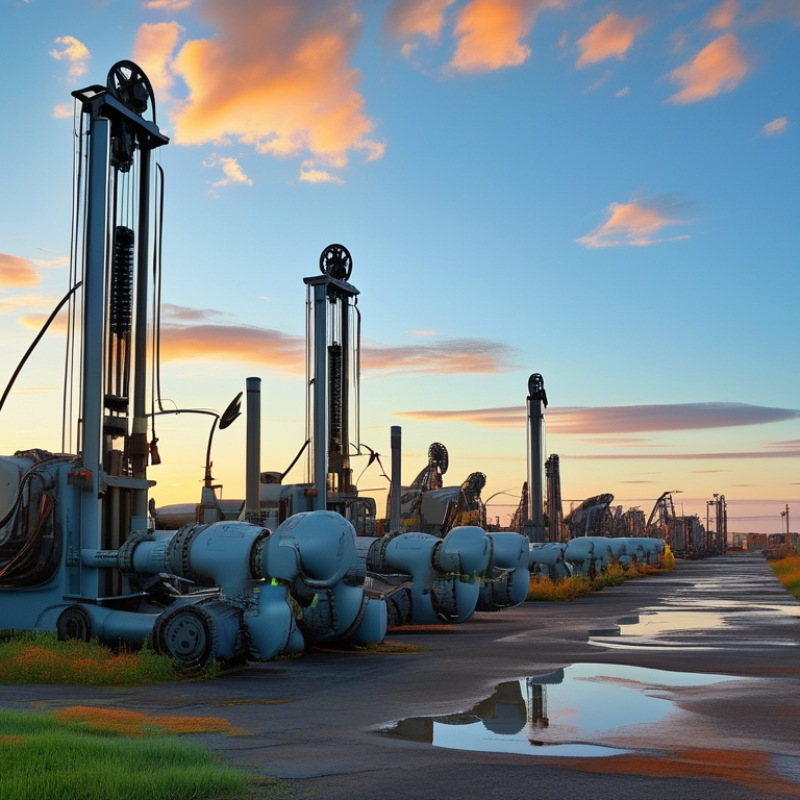
Current Innovations in Hydraulic Equipment Technology and Their Impact
The hydraulic equipment industry is experiencing rapid transformation driven by innovations. One of the most notable trends is the integration of IoT technology. This allows for remote monitoring and diagnostics, enhancing operational efficiency. Equipment can now send real-time data, helping operators make informed decisions swiftly.
Another exciting development is the move towards eco-friendly hydraulic fluids. These fluids reduce environmental impact while maintaining performance. Companies are experimenting with biodegradable options. This shift not only meets environmental regulations but also appeals to a more eco-conscious market.
Tips: Regular maintenance of hydraulic equipment is crucial. Neglecting it can lead to costly downtimes. Always monitor system pressures and fluid levels.
On another note, the trend of electric hydraulic systems is gaining traction. These systems are quieter and more energy-efficient than traditional hydraulic setups. Transitioning may pose challenges, as the initial investment can be high. However, long-term savings often justify the costs.
Tips: Evaluate the total cost of ownership when considering new systems. Look beyond the purchase price to operational efficiency.
The Growing Demand for Eco-Friendly Hydraulic Solutions and Sustainability
The hydraulic equipment industry is undergoing a significant transformation. Eco-friendly solutions are gaining traction as more companies prioritize sustainability. This shift is largely driven by environmental regulations and consumer preferences. Hydraulics can now operate with biodegradable fluids. Such advancements are essential in reducing pollution, a critical issue in many sectors.
Manufacturers are innovating to create more efficient systems. These systems consume less energy and have a smaller carbon footprint. However, challenges remain. The integration of green technologies often requires a substantial investment. Many businesses find it difficult to balance immediate costs with long-term benefits. Additionally, not all eco-friendly products perform equally well. This inconsistency can deter companies from fully adopting sustainable practices.
As the demand for sustainable hydraulic solutions grows, so does the complexity of the market. Organizations must navigate these evolving trends carefully. Collaborations between engineers and environmentalists can foster innovative designs. Consumer education around these advancements is crucial as well. Without stakeholder buy-in, the transition to a greener industry may falter, highlighting the need for continuous dialogue and improvement.
Market Trends: Key Players and Competitive Landscape in Hydraulic Industry
The hydraulic equipment industry is witnessing notable shifts driven by technological advancements and changing market needs. According to a recent market report, the global hydraulic equipment market is expected to reach USD 58 billion by 2027, growing at a CAGR of 5.3%. This growth can be attributed to increased demand across sectors like construction, agriculture, and manufacturing. Companies focusing on innovation and sustainability are gaining a competitive edge. Intelligent hydraulics, which integrate IoT for real-time monitoring, are becoming prevalent.
Key players in the hydraulic industry are adapting to these trends. A study found that about 70% of major manufacturers are investing in R&D for smarter, energy-efficient solutions. The competitive landscape is evolving. As smaller companies emerge, they challenge established firms. This diversification invites both opportunity and uncertainty. Businesses must stay agile to respond effectively to these new entrants and rapidly changing technologies.
Collaborations among industry players are also on the rise, enhancing product offerings and market presence. Partnerships can sometimes become complex, creating challenges in alignment and integration. Industry experts stress the importance of strategic collaborations as they can lead to significant breakthroughs. Prioritizing quality while navigating these shifts is crucial for long-term success. The landscape remains dynamic, and ongoing reflection on these strategies will shape the industry's future direction.
The Role of Automation and IoT in Advancing Hydraulic Systems Efficiency
The hydraulic equipment industry is undergoing a significant transformation driven by automation and the Internet of Things (IoT). According to recent reports, the adoption of IoT technologies can enhance operational efficiency by up to 30%. This integration allows for data-driven decision-making, leading to predictive maintenance and reduced downtime. However, not all companies have jumped on this bandwagon. While larger firms have implemented these technologies, many smaller players lag behind, raising questions about competitiveness within the industry.
Automation in hydraulic systems is also reshaping workflow processes. Automated systems can optimize fluid dynamics and improve energy efficiency. Reports suggest that such systems can lead to energy savings of around 20%. Yet, the shift toward full automation remains gradual. Some professionals express concerns about the reliability of these systems in critical applications. Moreover, the initial investment for automation can deter smaller companies, leading to a significant gap in technology adoption rates.
The convergence of these technologies signifies a crucial advancement in hydraulic equipment. With proper integration, companies can enhance performance and reduce environmental impact. However, a cautious approach is necessary. Not all automated systems are developed equally, and thorough testing is essential. The hydraulic industry must address these challenges to fully realize the potential benefits of these emerging trends.
Global Economic Factors Influencing Growth in the Hydraulic Equipment Sector
The hydraulic equipment sector is increasingly influenced by global economic trends. According to a recent report by MarketsandMarkets, the hydraulic equipment market is expected to grow from $46.9 billion in 2021 to $66.4 billion by 2026. This reflects a compound annual growth rate (CAGR) of 7.2%. Economic factors such as construction growth, infrastructure development, and machinery modernization drive this demand.
Fluctuations in raw material prices impact production costs significantly. This is particularly noticeable in the steel and aluminum markets, where prices have surged due to supply chain disruptions. Additionally, the ongoing shift towards renewable energy sources is reshaping industry practices. Companies are investing in more efficient hydraulic systems that minimize energy consumption. A focus on sustainability is not just a trend; it’s becoming a competitive necessity.
Labor shortages present another challenge in the hydraulic equipment industry. Experts suggest that as skilled workers retire, companies must adapt to maintain productivity. Automation and technology adoption can help mitigate this issue, enabling firms to optimize their operations. However, the transition requires time and investment, elements that can strain small to medium enterprises during economic challenges.
What Trends are Shaping the Hydraulic Equipment Industry?
| Trend |
Influencing Factor |
Projected Impact |
Growth Rate (%) |
| Automation in Hydraulic Systems |
Increased Demand for Efficiency |
High |
8.5 |
| Green Hydraulics |
Regulatory Pressure for Sustainability |
Moderate |
6.0 |
| Smart Technology Integration |
Adoption of IoT and AI |
Very High |
10.2 |
| Customized Hydraulic Solutions |
Diverse Industry Needs |
High |
7.5 |
| Energy Efficiency Improvements |
Rising Energy Costs |
High |
9.0 |
FAQS
: Environmental regulations and consumer preferences are major drivers for eco-friendly hydraulic solutions.
These systems operate with biodegradable fluids, which helps to minimize pollution in various sectors.
High initial costs and inconsistent product performance can deter companies from adopting sustainable practices.
Collaborations between engineers and environmentalists can foster innovative designs and improve sustainability efforts.
Construction growth, infrastructure development, and fluctuations in raw material prices are key economic influences.
Consumer education is crucial for creating buy-in and supporting the transition to greener practices.
The market is projected to grow from $46.9 billion in 2021 to $66.4 billion by 2026.
Skilled worker retirements challenge productivity, prompting companies to look for automation solutions.
Companies focusing on innovation and sustainability gain a competitive edge in the evolving market.
The emergence of smaller firms and changing technologies require businesses to adapt quickly.
Conclusion
The hydraulic equipment industry is currently experiencing significant transformations driven by various factors. Among these, current innovations in hydraulic technology are enhancing efficiency and performance across applications. Furthermore, there is a rising demand for eco-friendly hydraulic solutions, reflecting a broader trend towards sustainability in industrial practices. These factors combine to create a competitive landscape influenced by key market players, necessitating adaptation to meet evolving customer needs.
Additionally, the integration of automation and IoT into hydraulic systems is advancing operational efficiency and reliability, ensuring that manufacturers remain competitive. Global economic conditions also play a critical role in shaping the industry, influencing everything from supply chain dynamics to investment strategies. Overall, understanding what trends are shaping the hydraulic equipment industry is essential for stakeholders aiming to navigate this rapidly evolving market.

 Aksurion Hydraulic