In the world of heavy machinery, optimizing hydraulic system efficiency is crucial for maximum performance. According to John Thompson, a hydraulic systems expert, "Efficient hydraulics can dramatically reduce operational costs." This statement emphasizes the importance of finding methods to enhance hydraulic performance, especially as industries face increasing demands for productivity and sustainability.
Understanding how to improve hydraulic system efficiency in heavy machinery is vital for operators and engineers. Inefficient systems can lead to increased fuel consumption and operational downtime. Furthermore, when machines do not perform optimally, they might cause safety hazards and maintenance challenges. Many operators overlook simple measures that could enhance efficiency, leading to missed opportunities for improvement.
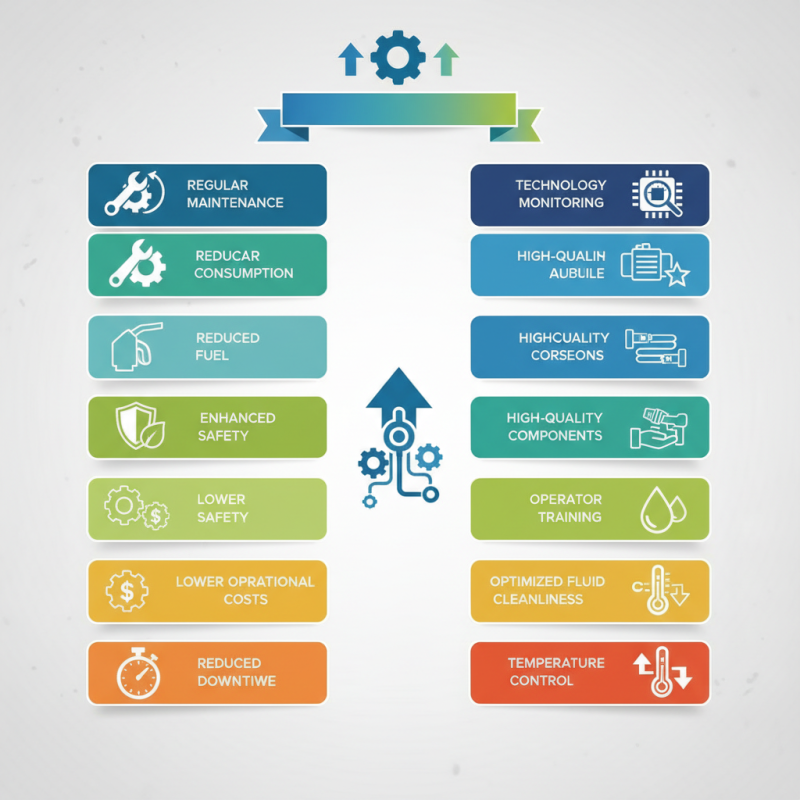
Investing in high-quality components and regular maintenance can significantly impact a hydraulic system’s effectiveness. Using technology to monitor system performance can also provide insights into areas needing attention. As we delve into the top ten ways to enhance hydraulic efficiency, it is essential to keep in mind that small changes often yield significant results.
Monitoring key performance indicators (KPIs) is crucial for enhancing hydraulic system efficiency in heavy machinery. Effective KPIs help operators understand system function and identify areas for improvement. Common KPIs to track include pressure, flow rate, temperature, and cycle time. Each of these metrics offers insights into system performance.
Regularly evaluating these indicators helps in proactive maintenance. For instance, an abnormal spike in temperature could indicate a potential failure. This requires immediate attention. Operators may overlook these signs due to busy schedules. Failing to monitor KPIs can lead to unexpected breakdowns and increased downtime.
Data visualization tools can simplify KPI monitoring. They provide real-time insights, allowing for quick adjustments. Yet, technology isn’t flawless. Operators must also rely on their experience and instincts. Sometimes, the data might not tell the whole story. Balancing data analysis with practical knowledge is key to optimizing hydraulic systems.
Viscosity is a critical factor in hydraulic system efficiency. The right fluid viscosity ensures optimal performance and longevity of hydraulic components. According to industry studies, improper viscosity can lead to a 15% drop in system efficiency. Using fluids with the correct viscosity reduces energy waste and improves response times.
Maintaining fluid quality is equally important. Dirty or degraded fluid can cause wear and tear on hydraulic systems, resulting in costly repairs. Reports indicate that contaminated hydraulic fluids contribute to nearly 70% of system failures. Regularly filtering and changing fluids prolongs equipment life. It also ensures that the machinery operates efficiently.
Choosing the right fluid involves more than just viscosity. Environmental factors and operating conditions play a significant role. Seasonal changes may require different fluid formulations. A slight miscalculation can lead to inefficiencies or even equipment damage. Hydraulics experts suggest conducting regular fluid analysis to identify potential issues before they escalate.
Regular maintenance and inspection protocols are crucial for enhancing hydraulic system efficiency in heavy machinery. Over time, hydraulic components can wear and fail. Small leaks may go unnoticed, leading to significant losses in efficiency. Regular inspections help identify these issues early. Technicians should focus on checking hoses, fittings, and connections routinely.
Developing a maintenance schedule is essential. This ensures that each component receives adequate attention. Keeping a log of inspections can provide valuable data. Patterns in wear might suggest specific problems needing attention. When mechanics apply expert knowledge during inspections, they can make informed recommendations. Ignoring problems often leads to larger, more expensive failures down the line.
Training for operators is another vital aspect. They must know how to detect subtle changes in machinery performance. Operators should be encouraged to report unusual sounds or fluid levels. This ongoing communication can strengthen the maintenance efforts. The goal should always be to prevent issues rather than react to them. A proactive approach often yields better results than a reactive one.
This chart represents the effectiveness of various methods to enhance hydraulic system efficiency in heavy machinery, based on hypothetical performance improvements observed in regular maintenance protocols.
Hydraulic systems are vital in heavy machinery. Utilizing energy-efficient components can significantly enhance overall efficiency. By opting for hydraulic pumps designed for lower energy consumption, operators can also reduce operational costs. These pumps are often more responsive and can optimize power delivery, leading to improved machine performance.
Tips: When selecting components, consider variable displacement pumps. They adjust flow based on demand. This adaptability minimizes energy waste. Additionally, using lightweight hydraulic fluid can improve system efficiency. It reduces friction within the system, leading to quicker response times and lower heat generation.
Regular maintenance is essential for optimal performance. Dirty filters can impede flow and reduce efficiency. Regular checks and replacements ensure systems operate smoothly. This practice may seem tedious but can save costs long-term. Operators should also monitor pressure levels. Improper pressure can lead to increased energy use and wear on components.
Incorporating advanced control technologies is crucial for improving hydraulic system efficiency in heavy machinery. These technologies enable better system management by providing real-time data analytics. For instance, sensors can monitor pressure and flow rates, allowing operators to make timely adjustments. This proactive approach leads to smoother operations and less energy waste.
Using data-driven insights, machinery can respond quickly to changing conditions. Imagine a hydraulic system adjusting its output based on load variations. This flexibility improves performance and reduces wear on components. While the integration of these technologies can require upfront investment, the long-term savings often justify the costs.
However, implementing these advanced systems is not always straightforward. Operators may face a learning curve. Misinterpretation of data can lead to inefficiencies. Regular training and updates are essential to maximize effectiveness. Continuous assessment of technology performance ensures that the system evolves with operational needs. This reflective approach fosters a culture of improvement within the organization.
: KPIs help operators understand system function and improve efficiency. They identify areas needing attention.
Key metrics include pressure, flow rate, temperature, and cycle time. Each offers insights into system performance.
Regular evaluations are necessary. Frequent checks help in proactive maintenance and prevent unexpected breakdowns.
An abnormal spike in temperature could suggest a potential failure. Immediate attention is required to avoid issues.
These tools provide real-time insights and simplify KPI monitoring. Quick adjustments become easier with visual data.
No, technology isn't flawless. Operators should balance data analysis with practical knowledge and instincts.
These components, like variable displacement pumps, optimize power and reduce energy waste. They enhance overall system efficiency.
Regular maintenance, like filter checks, ensures systems operate smoothly. It may seem tedious but saves costs over time.
Improper pressure can lead to increased energy use and accelerated wear on components. Regular monitoring is essential.
Lightweight hydraulic fluid reduces friction. This improvement leads to quicker response times and lower heat generation.
To improve hydraulic system efficiency in heavy machinery, it is essential to first identify and monitor key performance indicators (KPIs) that provide insight into system performance. Regularly analyzing these metrics can highlight areas for optimization. Additionally, optimizing fluid viscosity and quality is crucial for enhancing system performance, as the right fluid characteristics reduce friction and improve hydraulic response.
Implementing regular maintenance and inspection protocols ensures that any potential issues are detected early, preventing costly downtime. Utilizing energy-efficient hydraulic components and systems minimizes energy consumption while maintaining output. Finally, incorporating advanced control technologies facilitates better system management, enabling operators to adjust their machinery for maximum efficiency. By following these strategies, stakeholders can significantly enhance hydraulic system efficiency in heavy machinery.

Aksurion Hydraulic