Which Top China Hydraulic Solutions Improve Efficiency?

Time:2026-10-08 Author:Mason
0%

Selecting the right hydraulic equipment can reduce energy loss, heat buildup, and unnecessary maintenance across industrial machinery. This guide examines which hydraulic solutions improve machine efficiency in demanding Chinese manufacturing environments. It focuses on measurable performance, not impressive claims.

Variable displacement pumps adjust flow according to real demand. They can reduce throttling losses during partial-load operation. Electro-hydraulic proportional valves provide smoother control and more accurate actuator movement. In a factory, that may mean fewer pressure shocks when a press changes direction. Intelligent pump controllers can also match motor speed with hydraulic requirements. The result is quieter operation and potentially lower electricity consumption.

Small details matter.

High-quality filtration protects valves and pumps from abrasive contamination. Proper hose sizing reduces pressure drops between the power unit and actuator. Heat exchangers help maintain stable oil temperatures during long production cycles. These improvements are especially valuable for injection molding machines, construction equipment, and automated production lines.

Chinese hydraulic manufacturers now offer broader options, including standardized components, customized power units, and digital condition monitoring. However, efficiency depends on correct system design, installation, and service quality. A premium pump cannot compensate for incorrect relief-valve settings or neglected oil analysis. That limitation deserves attention. Real-world results vary with load patterns, ambient temperature, operator habits, and maintenance schedules.

Reliable comparisons should include flow demand, operating pressure, duty cycle, noise levels, lifecycle cost, and after-sales support. Testing these factors under actual working conditions provides stronger evidence than catalog figures alone. This article considers practical technologies, supplier capabilities, and selection criteria to help engineers make safer, more efficient decisions.
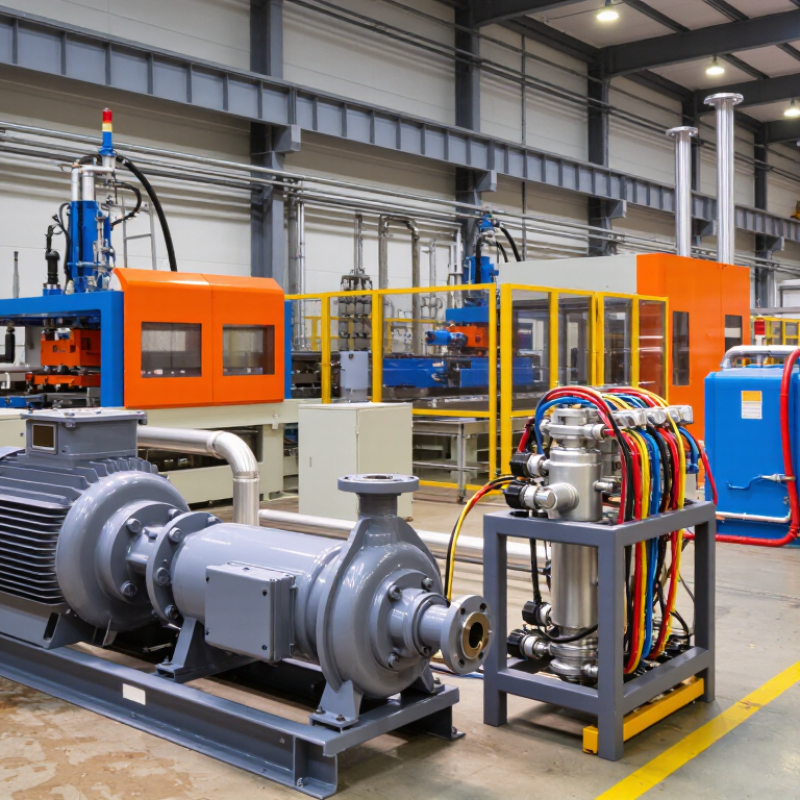
Which Top China Hydraulic Solutions Improve Efficiency?

Hydraulic Efficiency and Its Role in Industrial Performance

Which Top China Hydraulic Solutions Improve Efficiency?

Hydraulic efficiency directly shapes industrial performance. It affects cycle time, energy use, heat generation, and equipment reliability. In practical factory audits, pressure-compensated pumps often reduce wasted flow during partial-load operation. Variable-speed drives can also match motor output with real demand. The result is quieter operation and lower electricity consumption.

Effective China hydraulic solutions usually combine efficient pumps, responsive valves, and well-sized pipelines. Undersized hoses create resistance and unnecessary pressure loss. Excessive pipe length does the same. Clean filtration protects narrow valve passages and keeps response stable. Even a five-degree temperature rise can change oil viscosity and machine behavior. Small details matter.

Maintenance teams should measure, not guess. Record pressure at the pump, actuator, and return line during real production cycles. Compare these readings with motor power and output speed. A cooler reservoir may indicate better efficiency, but it does not prove improved productivity. I have seen systems perform well during testing and struggle during dusty, high-volume shifts. That gap deserves attention. Operators may also override automatic settings for convenience, increasing energy use. Perfect efficiency is unrealistic. Better control is achievable.

Load-sensing, variable-displacement, electro-hydraulic, and regenerative systems typically improve hydraulic efficiency by reducing throttling losses, matching pump output to demand, and recovering usable energy. The values shown are representative industrial benchmark estimates under comparable operating conditions.

Leading China Hydraulic Solutions for Energy and Flow Optimization

China hydraulic solutions are increasingly designed around energy and flow optimization, not pressure alone. In a well-tuned system, variable displacement pumps match output to demand, reducing heat and unnecessary motor load. During field checks, technicians compare pressure, flow, oil temperature, and cycle time at the same operating point. A 10% pressure drop can reveal a restricted filter or undersized hose. Small clues matter.

Efficient manifolds, proportional valves, and compact accumulators help equipment respond smoothly. They can limit shock when a cylinder stops, especially in presses, injection equipment, and material-handling machines.

Digital monitoring adds practical value by recording leakage trends and temperature changes over several weeks. Yet sensors do not replace experience. A clean reading may hide a poorly calibrated flow meter, and that mistake can distort an entire efficiency report.

Reliable implementation requires filtration, correct oil viscosity, sealed fittings, and scheduled inspection. Engineers should verify component ratings against local temperature, duty cycle, and contamination levels before installation.

In one workshop, a cooler improved stability, but the real gain came from fixing a return-line restriction. The result was useful, but not perfect. Operators still needed training, and maintenance records remained incomplete. That weakness deserves attention.

Optimized flow is a continuing engineering task, measured in lower heat, steadier motion, and fewer avoidable stops.

Smart Hydraulic Systems for Precise Control and Reduced Downtime

China’s hydraulic manufacturers are moving toward smart systems that make pressure, flow, and motion measurable. This matters in stamping, injection molding, and construction equipment. The IEA’s Energy Efficiency 2023 report states that industry uses about 37% of global final energy. Hydraulic losses deserve serious attention.

Variable-speed pump drives adjust output to actual demand. Proportional valves then regulate flow with finer control than fixed-speed systems. Pressure sensors can detect a blocked filter, leaking cylinder, or unstable load before production stops. A practical dashboard should show pressure trends, oil temperature, cycle time, and alarm history. Simple data is often more useful than a crowded screen.

The U.S. Department of Energy’s Operations and Maintenance Best Practices Guide reports that predictive maintenance can reduce costs by roughly 8–12% compared with preventive maintenance. Smart hydraulic monitoring supports that approach. Technicians can inspect a rising temperature curve before seals fail. They can also schedule service during a planned shift. Smart is not magic. Poor sensor placement, dirty oil, and weak staff training still create downtime. In real workshops, calibration is sometimes overlooked. That weakness needs honest review. Systems should follow ISO 4413 principles, include safe pressure relief, and provide clear manual controls when digital functions fail.

Efficient Hydraulic Components for Construction and Manufacturing Equipment

Construction and manufacturing equipment demand hydraulic components that deliver force without wasting energy. Efficient China hydraulic solutions often combine variable-displacement pumps, proportional valves, compact manifolds, and low-leakage cylinders. These parts help excavators control boom movement smoothly and allow hydraulic presses to maintain steady pressure during repeated cycles.

Small details matter.

A clogged filter can raise pump temperature within hours. Poorly sized hoses create pressure loss and sluggish actuator response. Clean oil, correct sealing materials, and accurate relief-valve settings protect the system under demanding workloads. In manufacturing lines, pressure sensors can identify unstable cycles before they damage tooling. Maintenance teams should also inspect fittings for vibration marks, not only visible leaks.

Bigger is not always better. An oversized pump may consume extra power and generate unnecessary heat. I have seen systems perform well during factory testing but lose efficiency after installation because hose routing was too tight. That weakness deserves attention. Component selection should match load, duty cycle, ambient temperature, and service access. Field records, pressure tests, and contamination checks provide stronger evidence than catalog figures alone. Practical technicians still need to review the results.

How to Evaluate China Hydraulic Solutions for Different Applications

Evaluating China hydraulic solutions starts with the application, not the catalog price.

A compact press may need stable pressure, while a mobile machine may demand low weight and shock resistance. Measure it under load.

Check the required flow rate, working pressure, duty cycle, and operating temperature. Compare these figures with verified test data, not general claims. For dusty sites, inspect seal materials and contamination control. For food, marine, or outdoor equipment, confirm suitable materials and documentation.

That gap matters.

Ask for sample testing before approving production units. Record pressure loss, response time, leakage, noise, and heat after repeated cycles.

A reliable supplier should provide drawings, inspection records, traceable materials, and clear maintenance guidance. Independent certification can support technical confidence, but it should match the actual component and application.

Total cost includes installation, filtration, spare parts, energy use, and service access.

A lower purchase price can look attractive, though this is where my assessment may become too narrow. One overlooked fitting or unstable valve can stop an entire line.

Review communication speed and technical answers during early discussions. Vague replies often signal future delays.

Leave room for field feedback; laboratory performance may change when hoses, oil quality, and operator habits enter the system.

FAQS

How does hydraulic efficiency affect industrial performance?

It influences cycle time, electricity use, heat, and equipment reliability. Better efficiency can create quieter operation. Results still depend on real workloads.

Which hydraulic solutions can reduce wasted energy?

Pressure-compensated pumps reduce excess flow during partial-load work. Variable-speed drives match motor output with demand. Responsive valves and correctly sized pipelines also help.

Why do hose and pipe sizes matter?

Undersized hoses create resistance and pressure loss. Long pipelines can waste energy too. A practical check should compare pressure at both ends.

How can smart monitoring reduce downtime?

Sensors track pressure, oil temperature, cycle time, and alarms. Rising temperature may reveal seal problems early. It is useful, not magical.

What problems can pressure sensors detect?

They may reveal blocked filters, leaking cylinders, or unstable loads. Operators can inspect these warnings before production stops. False alarms remain possible.

How should maintenance teams measure hydraulic efficiency?

Record pump, actuator, and return-line pressure during production cycles. Compare those readings with motor power and output speed. Testing only in clean conditions can mislead.

Does a cooler reservoir prove better productivity?

No. Lower oil temperature may suggest reduced losses, but it proves little alone. Actual output, cycle time, and energy use matter more.

What maintenance approach suits smart hydraulic systems?

Predictive maintenance uses trends to schedule service before failure. A rising temperature curve deserves attention. Calibration is sometimes ignored, and that weakness needs review.

What safety features should a smart hydraulic system include?

It should provide pressure relief, clear manual controls, and safe operating procedures. Digital functions can fail. Manual backup still matters.

Can operators affect hydraulic efficiency?

Yes. Operators may override automatic settings for convenience, increasing energy use. Better training helps, but perfect control is unrealistic.

Conclusion

Hydraulic efficiency plays a vital role in industrial performance by reducing energy waste, improving equipment response, and supporting longer service life. Leading China hydraulic solutions focus on optimizing energy and fluid flow through high-efficiency pumps, valves, filtration systems, and reliable power units. These technologies help construction and manufacturing equipment operate smoothly while lowering operating costs and minimizing unnecessary maintenance.

Smart hydraulic systems further improve performance by using sensors, electronic controls, and real-time monitoring to achieve precise movement and reduce downtime. When selecting which hydraulic solutions improve machine efficiency, users should consider pressure requirements, flow capacity, working conditions, control accuracy, maintenance needs, and compatibility with existing equipment. The best solution should match the application rather than simply provide maximum power. By evaluating component quality, system integration, energy consumption, and after-sales technical support, businesses can build hydraulic systems that deliver stable performance, improved productivity, and greater long-term value.

Mason

Mason

Mason is a seasoned marketing professional with a deep expertise in the company's offerings and a passion for driving brand awareness. With a strong background in digital marketing strategies, he has an innate ability to connect with diverse audiences and effectively communicate product benefits.......