Top 10 Tips for Choosing the Right Hydraulic System for Machinery?

Time:2026-05-07 Author:Amelia
0%

Choosing the right hydraulic system for machinery is crucial. The right system affects performance, efficiency, and safety. Selecting the wrong hydraulic components can lead to costly downtime and repairs. Understanding how to choose the right hydraulic system for machinery requires careful consideration of several factors.

Hydraulic systems vary widely in their applications and specifications. Each machinery type has specific hydraulic requirements. Assessing the machine’s needs is essential. Factors like load capacity, pressure requirements, and application type will guide your decision. A detailed review of these variables is necessary to avoid mistakes.

It is also important to consult with experts. Their insights can help refine your selection process. While online resources provide valuable information, real-world experience is irreplaceable. Connecting with suppliers and industry professionals can offer practical advice. Reflecting on both successes and failures in hydraulic system choices can lead to better decisions in the future.
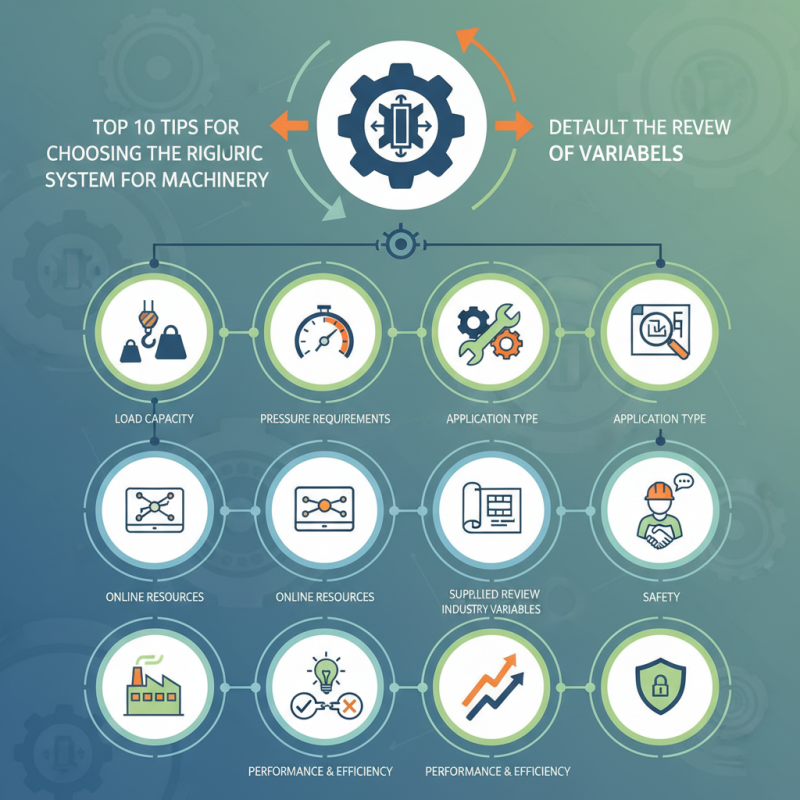
Top 10 Tips for Choosing the Right Hydraulic System for Machinery?

Understanding Hydraulic System Basics and Components

Understanding hydraulic systems requires a grasp of their basic components. A hydraulic system primarily consists of a pump, valves, cylinders, and fluid. The pump converts mechanical energy into hydraulic energy. It generates flow that moves the hydraulic fluid through the system. This flow powers various machine functions, whether lifting, pushing, or turning.

The valves control the direction and flow rate of the hydraulic fluid. They play a crucial role in managing how much fluid reaches different parts of the system. Cylinders convert hydraulic energy back into mechanical energy. They create the linear motion that machinery relies on. Each component must work together seamlessly. However, issues can arise if there’s a lack of understanding about how these pieces function. Misjudgments often lead to inefficiencies or failures in performance.

Regular maintenance is vital to keep hydraulic systems operating smoothly. Small leaks or worn parts can cause significant issues over time. Operators should be aware of signs like unusual noises or fluctuations in performance. These can indicate deeper problems within the system. A proactive approach to understanding and maintaining hydraulic components ensures optimal performance.

Assessing Load Requirements and Application Demands for Machinery

When selecting a hydraulic system, it's crucial to assess load requirements. Understand the maximum weight the machinery will handle. Different applications demand different capacities. For example, lifting heavy loads requires a system with high pressure and flow rate. Evaluate how often the machinery will operate under full load. Continuous operations may necessitate more robust solutions.

Application demands also play a vital role. Consider the environment and conditions in which the machinery will operate. Will it face temperatures that vary significantly? Are there any restrictions on space? Think about maintenance too. Some systems are easier to service than others. A complex setup can lead to downtime and increase costs.

Reflecting on these factors can be challenging. Sometimes, it’s hard to predict future needs. If a project grows, will the system adapt? Keeping flexibility in mind during selection prevents costly mistakes. Balancing load requirements and application demands ensures a better fit for your hydraulic system.

Evaluating Hydraulic Fluid Types and Their Impact on Performance

When choosing a hydraulic system, the type of hydraulic fluid is crucial for performance. Different fluids have distinct properties. For example, water-based fluids offer fire resistance but may corrode components. On the other hand, mineral oils provide excellent lubrication but can be flammable. Understanding these properties helps in selecting the right fluid for your machinery’s needs.

A key tip is to evaluate the temperature range of the operation. Fluids perform differently at varying temperatures, affecting lubrication and efficiency. If the equipment runs hot, consider fluids designed to withstand higher temperatures.

Another essential tip involves compatibility with seals and hoses. Not all fluids work well with every material. Using the wrong fluid can lead to leaks and equipment failure. Conduct thorough research or consult professionals to ensure all components will work harmoniously with the chosen hydraulic fluid. Carefully analyzing these factors can lead to improved performance and longevity of your hydraulic system.

Top 10 Tips for Choosing the Right Hydraulic System for Machinery

Hydraulic Fluid Type Viscosity (cSt @ 40°C) Operation Temperature Range (°C) Applications Water Content (%)
Mineral Oil 32 -20 to 90 General industrial machinery < 0.1
Biodegradable Fluid 46 -10 to 80 Forestry and agriculture < 0.5
Water Glycol 20 -20 to 80 Fire-resistant applications 30-40
Water Oil Emulsion 30 -10 to 70 Metalworking and machining 10-20
Synthetic Fluid 15 -50 to 100 High-performance systems < 0.1

Determining System Efficiency and Energy Consumption Metrics

Choosing the right hydraulic system for machinery involves careful consideration of efficiency and energy consumption. Understanding these metrics allows for smarter decisions. Efficiency directly impacts productivity and cost savings. A well-designed system minimizes energy loss, ensuring that every unit of input results in substantial output. Look for systems that utilize advanced designs and materials to enhance performance.

Energy consumption metrics can guide your selection process. The total energy required for operation should be a major decision factor. Compare systems not just by initial costs, but also by their long-term energy usage. A higher upfront investment in a more efficient system could lead to significant savings. Track operating hours and maintenance needs to gauge overall effectiveness.

Addressing potential inefficiencies should be a priority. Every hydraulic system has limitations. Analyze operating conditions and adjustments may be necessary. It is crucial to regularly review system performance against predicted metrics. By acknowledging areas needing improvement, you can refine system choices for enhanced efficiency down the road. This ongoing evaluation ultimately leads to better machinery performance and reduced operational costs.

Energy Consumption Metrics of Different Hydraulic Systems

Analyzing Maintenance Needs and Longevity of Hydraulic Systems

Choosing the right hydraulic system is crucial for machinery longevity. Maintenance needs can significantly impact the system's lifespan and performance. Regular checks and timely repairs can prevent costly downtime. Hydraulic systems require consistent monitoring. Small leaks can lead to larger issues over time.

When selecting a hydraulic system, consider its maintenance requirements. Some systems need more frequent oil changes. Others may require specialized filters. Mistakes in maintenance choices can reduce efficiency and lead to replacements sooner than expected.

Tip: Evaluate the fluid compatibility in your hydraulic system. Some fluids break down faster than others, affecting overall performance.

Another aspect to analyze is the parts replacement schedule. Know the lifespan of essential components. Regularly replacing worn parts can extend the life of your hydraulic system.

Tip: Look for systems with easily accessible components. This can simplify maintenance and reduce labor costs. User-friendly designs often lead to better upkeep.

Awareness of these aspects can help you make informed decisions. Successful maintenance means fewer disruptions and enhanced machinery reliability.

FAQS

: What are the main components of a hydraulic system?

: A hydraulic system mainly consists of a pump, valves, cylinders, and hydraulic fluid.

How does a pump function in a hydraulic system?

The pump converts mechanical energy into hydraulic energy, generating flow to move the fluid.

What role do valves play in hydraulic systems?

Valves control the direction and flow rate of the hydraulic fluid, managing its delivery.

Why is maintenance important for hydraulic systems?

Regular maintenance prevents small leaks or part wear from leading to bigger issues over time.

What signs indicate a potential problem in a hydraulic system?

Unusual noises or performance fluctuations can signal deeper issues needing attention.

How can one improve hydraulic system efficiency?

Regularly analyze performance metrics and adjust operating conditions to refine efficiency.

What should guide the selection of a hydraulic system?

Consider both efficiency and energy consumption metrics, not just initial costs.

How can analyzing energy consumption affect decision-making?

Tracking total energy usage can reveal potential long-term savings with more efficient systems.

Are there limits to hydraulic system performance?

Yes, every system has limitations; identifying them helps to improve overall effectiveness.

What is a proactive approach to hydraulic system management?

Understanding components and monitoring performance regularly ensures optimal operation and efficiency.

Conclusion

When considering how to choose the right hydraulic system for machinery, it's essential to start with a foundational understanding of hydraulic basics and components. This involves assessing the specific load requirements and application demands of the machinery in question to ensure compatibility and efficiency. Furthermore, different hydraulic fluid types can significantly impact performance, making it crucial to evaluate these options carefully.

In addition to fluid selection, determining system efficiency and energy consumption metrics is vital for long-term operational sustainability. Finally, analyzing the maintenance needs and longevity of hydraulic systems helps ensure reliable performance over time. By addressing these key factors, one can make an informed decision and enhance the overall effectiveness of hydraulic machinery in various applications.

Amelia

Amelia

Amelia is a seasoned marketing professional with a wealth of expertise in our company’s core offerings. With an unwavering passion for driving growth and innovation, she plays a pivotal role in shaping our marketing strategies and enhancing brand visibility. A key aspect of her responsibilities......