In recent years, various technological advancements have transformed hydraulic systems, enhancing their efficiency significantly. Reports indicate that adopting smart technologies can increase hydraulic system performance by up to 30%. Industry expert Dr. Emily Carter emphasizes, “How is technology improving hydraulic system performance? It’s about real-time data and automation.” This statement highlights the crucial role of data analytics and automation in optimizing hydraulic operations.
Automation and advanced sensors help in monitoring system health and performance. Real-time data allows for predictive maintenance, reducing downtime. Additionally, innovative materials and fluid dynamics simulations contribute to improved energy efficiency. Many organizations are already witnessing substantial cost savings and environmental benefits through these advances.
Despite these advancements, challenges remain. Some companies struggle with outdated systems that hinder improvements. Transitioning to advanced systems requires training and investment. As technology evolves, continuous adaptation is necessary to fully unlock its potential in hydraulic systems. The journey toward efficiency is ongoing and requires persistent effort from industry players.
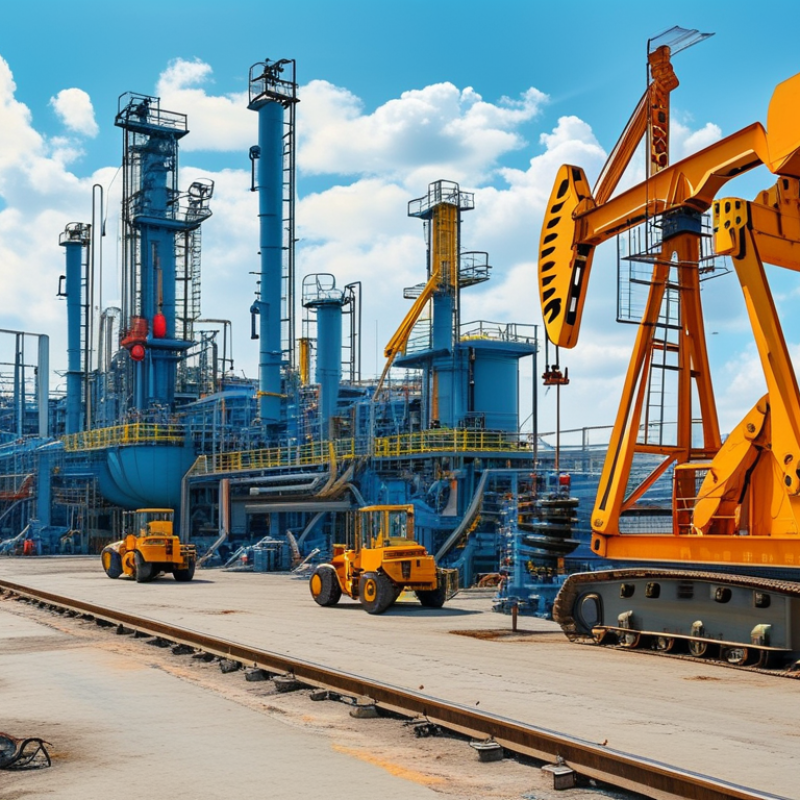
Advancements in hydraulic system technologies focus on improving efficiency and performance. Today's hydraulic systems utilize smart sensors and IoT integration. These technologies enable real-time monitoring and data analysis. Operators can respond quickly to issues, reducing downtime. The ability to adjust parameters remotely enhances operational flexibility.
Incorporating advanced materials is another trend. These materials help reduce friction and wear. This leads to lower energy consumption and longer system life. While these innovations are promising, not every implementation has been flawless. Some users may struggle with integration and initial set-up.
Furthermore, simulation software allows better design and troubleshooting. Engineers can model system behavior before physical installation. This approach has challenges, though. Accurate simulations require precise data, which can be hard to obtain. Overall, the landscape of hydraulic technology is evolving, blending efficiency with smart capabilities.
| Technology Type | Efficiency Improvement (%) | Key Features | Application Areas |
|---|---|---|---|
| IoT Integration | 25% | Remote monitoring, Predictive maintenance | Manufacturing, Construction |
| Variable Speed Drives | 20% | Energy savings, Reduced noise | Industrial Automation |
| Advanced Fluid Dynamics | 15% | Optimized flow paths, Improved performance | Aerospace, Marine |
| Smart Sensors | 30% | Real-time data collection, Fault detection | Oil & Gas, Heavy Machinery |
| Hydraulic Accumulators | 10% | Energy storage, Pressure smoothing | Automotive, Power Generation |
: Current advancements focus on efficiency and performance through smart sensors and IoT integration.
IoT allows real-time monitoring and data analysis, enabling quick issue response and reducing downtime.
Advanced materials reduce friction and wear, leading to lower energy consumption and longer system life.
Yes, some users struggle with integration and initial setup, which may not always go smoothly.
Automation enables precise fluid management, adapting to varying loads and minimizing waste while increasing productivity.
Sensors provide instant feedback, allowing for quick adjustments to prevent issues from escalating.
Over-reliance on automation may diminish human oversight, leading to potential oversights or failures.
Personnel must understand new technologies to address potential failures and ensure effective operation.
New composite materials can extend component lifespans by up to 25%, enhancing overall durability yet challenging for some manufacturers.
Companies need to continuously assess the cost-effectiveness of innovations and remain adaptable to ongoing technological changes.
The article explores how technology is improving hydraulic system performance through various emerging trends and innovations. Current advancements in hydraulic system technologies focus on the integration of smart sensors and real-time monitoring, enabling more precise control and optimization of hydraulic operations. Automation plays a pivotal role in enhancing efficiency by streamlining processes and reducing human error, thereby optimizing performance.
Furthermore, innovative developments in fluid dynamics and material science contribute to more efficient hydraulic systems, minimizing energy loss and improving response times. Looking ahead, the integration of AI and big data analytics is set to revolutionize hydraulic systems, allowing for predictive maintenance and enhanced decision-making. Overall, the continuous evolution of technology is significantly transforming the efficiency and effectiveness of hydraulic systems.

 Aksurion Hydraulic