When considering hydraulic equipment manufacturing, it's crucial to identify which standards apply to hydraulic equipment manufacturing. Adhering to these standards ensures safety, efficiency, and reliability in production processes. Manufacturers must navigate various regulations and guidelines set by authoritative bodies.
Hydraulic equipment plays a vital role in numerous industries. These include construction, agriculture, and automotive sectors. Each industry may have specific requirements highlighting the importance of staying informed about relevant standards. Knowledge of these standards can significantly impact manufacturing practices and product quality.
However, the landscape of regulatory compliance can be daunting. Different countries may enforce distinct standards. Additionally, technology advancements often lead to evolving guidelines. Manufacturers must engage continuously with new developments, ensuring they meet expectations in both performance and safety. This dynamic environment requires ongoing education and adaptation to maintain competitiveness in the marketplace.
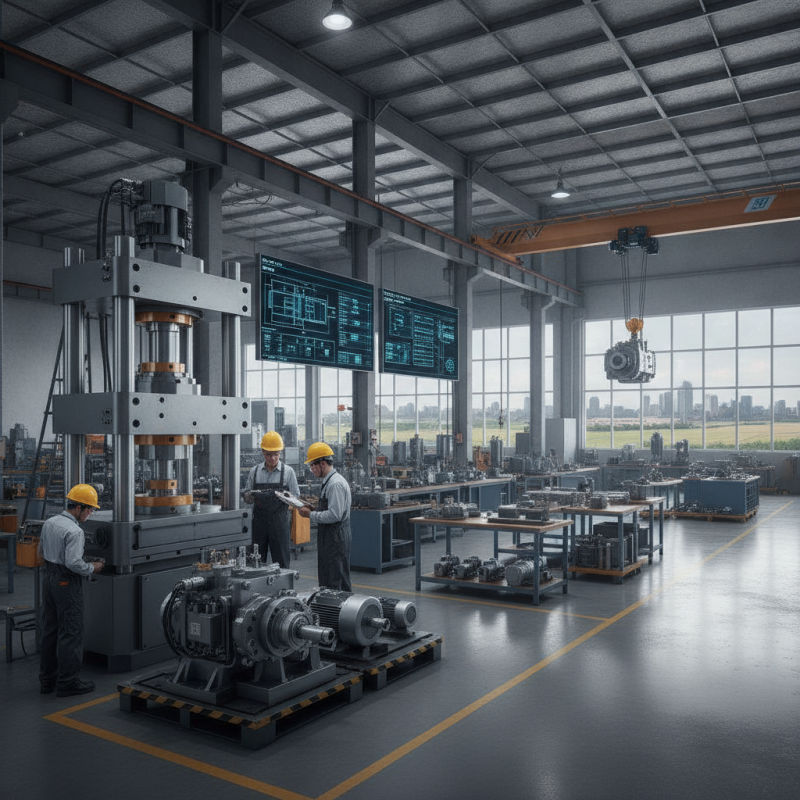
Hydraulic equipment manufacturing requires strict adherence to various standards. These standards ensure safety, reliability, and efficiency in hydraulic systems. Organizations like ISO and SAE provide guidelines for designing and testing hydraulic components. Manufacturers must be familiar with these standards to achieve compliance.
Tips: Always check the latest updates on hydraulic standards. Changes can happen, and staying informed is crucial. Document all steps in the manufacturing process to maintain accountability and traceability.
Quality control is vital in manufacturing. Implementing rigorous testing methods helps identify flaws early. Neglecting this can lead to severe operational issues down the line.
Tips: Invest in training your team on these standards. Knowledgeable staff can significantly reduce errors during production. Regular audits will also help maintain high-quality output and adherence to standards.
When it comes to hydraulic equipment manufacturing, adhering to international standards is crucial. The International Organization for Standardization (ISO) plays a significant role. ISO standards offer guidelines that enhance safety and reliability in hydraulic systems. They address design, testing, and performance criteria essential for equipment. Manufacturers should stay updated with ISO 4413 and ISO 4414, which focus on safety requirements for hydraulic systems.
Another key organization is the American National Standards Institute (ANSI). ANSI develops standards that ensure compliance in manufacturing processes. This is vital for maintaining quality and safety in hydraulic equipment. Additionally, the American Society of Mechanical Engineers (ASME) publishes standards that cover design and fabrication practices.
Manufacturers often overlook these standards. They may rush through compliance, which can lead to costly mistakes. Quality should never be sacrificed for speed. Continuous training and adherence to these guidelines can improve product integrity. It is always beneficial to involve experts who understand these standards deeply. Engaging with industry professionals can enhance operational practices. Investing time and resources into understanding these organizations will ultimately benefit equipment performance.
When designing hydraulic equipment, adhering to industry-specific standards is crucial. These standards ensure safety, reliability, and efficiency. Key organizations, like ISO and SAE, outline guidelines that engineers must consider. ISO 4413 provides a foundational framework for hydraulic systems. It focuses on performance, design, and testing requirements. Compliance helps prevent operational failures that could lead to safety hazards.
Material selection is vital in hydraulic equipment. The right materials enhance durability and efficiency. Standards such as ASTM provide specifications for materials used in hydraulic components. Engineers should evaluate these standards when choosing seals, hoses, and fittings. This ensures compatibility and functionality under pressure. However, keeping up with these standards can be challenging. Changes in technology may outpace existing guidelines, creating gaps that need addressing.
Ensuring compliance with these standards can be a complex process. It requires expert knowledge and constant updates. Engineers must stay informed about new regulations. Mistakes in interpretation can result in costly redesigns. A thorough understanding of industry standards is essential for successful hydraulic equipment manufacturing. Regular training and audits can help maintain adherence. This proactive approach aids in meeting evolving industry norms.
Ensuring compliance with regulatory and safety standards is crucial in hydraulic equipment manufacturing. Manufacturers must adhere to specific guidelines to guarantee safety and reliability. Key standards include ISO, ASME, and ANSI, which provide frameworks for design and testing. These standards help to mitigate risks and ensure that equipment performs as expected under pressure.
Regular audits are essential for maintaining compliance. This can often be a complex and time-consuming process. Companies may overlook this step, potentially leading to serious consequences. Training employees on these standards is vital. Not all personnel understand the importance of compliance. Regular workshops can help bridge this knowledge gap, fostering a culture of safety.
Documentation plays a pivotal role in regulatory compliance. Clear records of materials used, testing procedures, and maintenance history can prevent future liabilities. However, many manufacturers struggle with proper documentation practices. Ensuring that all information is up-to-date and easily accessible is a challenge that requires consistent effort. Establishing a reliable filing system can help streamline this process and enhance accountability.
| Standard | Description | Applicability | Compliance Authority |
|---|---|---|---|
| ISO 4413 | Covers general rules for hydraulic system design and safety requirements. | Hydraulic system manufacturers and designers. | International Organization for Standardization (ISO) |
| ANSI B93.20 | Focuses on performance requirements and test methods for hydraulic cylinders. | Manufacturers of hydraulic cylinders. | American National Standards Institute (ANSI) |
| ASME B30.1 | Addresses the safety standard for hydraulic and pneumatic cranes. | Operators and manufacturers of cranes using hydraulic systems. | American Society of Mechanical Engineers (ASME) |
| ISO 9001 | Quality management system standard that ensures consistency in manufacturing. | All manufacturers in the hydraulic industry. | International Organization for Standardization (ISO) |
| EN 982 | Safety requirements for fluid power systems and components. | Fluid power system and component manufacturers in Europe. | European Committee for Standardization (CEN) |
In hydraulic equipment production, adhering to best practices for quality assurance is critical. Quality impacts performance, durability, and safety. Implementing systematic checks at each stage of manufacturing can significantly enhance product reliability. These checks should start with raw materials to ensure compliance with accepted standards. Inspecting materials before use can save costs and prevent failures in finished products.
Moreover, proper training for staff is essential. Workers must understand the importance of precision and consistency in their roles. Regular workshops and refresher courses can foster a culture of excellence. Documentation is also key; maintaining records on manufacturing processes, inspections, and test results can be invaluable. This transparency builds trust among customers and stakeholders.
Feedback loops should be established to assess product performance in real-world applications. Gathering user experiences can shed light on potential improvements. However, ignoring this feedback can lead to stagnation in innovation. Regular evaluations and audits will help identify areas needing enhancement. Achieving high standards in hydraulic equipment manufacturing is an ongoing challenge, one that requires commitment and continuous improvement.
: It ensures safety and reliability in hydraulic systems, preventing costly mistakes.
They address safety requirements for hydraulic systems, covering design and testing criteria.
They should implement systematic checks at each stage of manufacturing for compliance.
Workers need to understand precision and consistency to enhance product quality.
It maintains transparency and builds trust with customers and stakeholders.
It provides insights for potential improvements and prevents stagnation in innovation.
They may rush through compliance, compromising quality for speed, leading to failures.
They reveal areas needing enhancement and support continuous quality improvement.
Experts can deepen understanding and improve operational practices significantly.
It requires ongoing commitment, continuous improvement, and attention to detail.
In the realm of hydraulic equipment manufacturing, understanding which standards apply is crucial for ensuring quality and compliance. The article provides a comprehensive overview of the various standards that govern the industry, highlighting the role of international standards organizations that set the framework for manufacturing practices globally.
Key industry-specific standards are discussed, focusing on how they inform the design of hydraulic equipment. Moreover, regulatory compliance and safety standards play a vital role in safeguarding both the equipment's integrity and user safety. Finally, the article emphasizes best practices for quality assurance in production, which are essential for maintaining high standards and fostering trust in hydraulic systems. Collectively, these elements highlight the importance of adhering to established standards in the manufacturing process to achieve excellence and reliability in hydraulic equipment.

Aksurion Hydraulic