How to Prevent Hydraulic System Failure in Excavators?

Time:2026-05-01 Author:Mason
0%

Hydraulic systems play a crucial role in the operation of excavators. Without them, these machines would fail to perform effectively. According to Jack Thompson, a leading expert in hydraulic systems, “Regular maintenance and early detection are key to how to prevent hydraulic system failure in excavators.” His insights highlight the importance of proactive measures in reducing breakdown risks.

Understanding how to prevent hydraulic system failure in excavators involves more than routine checks. It requires thorough inspections of hydraulic fluid levels and ensuring no leaks are present. Components such as hoses and filters should be regularly examined. Ignoring these small details can lead to significant problems.

The complexity of hydraulic systems demands attention. Factors such as operating conditions can influence their performance. Operators should be trained to recognize potential issues early. Failing to address warning signs can result in costly repairs and downtime. Keeping machinery in optimal condition is not just a goal but a necessity.
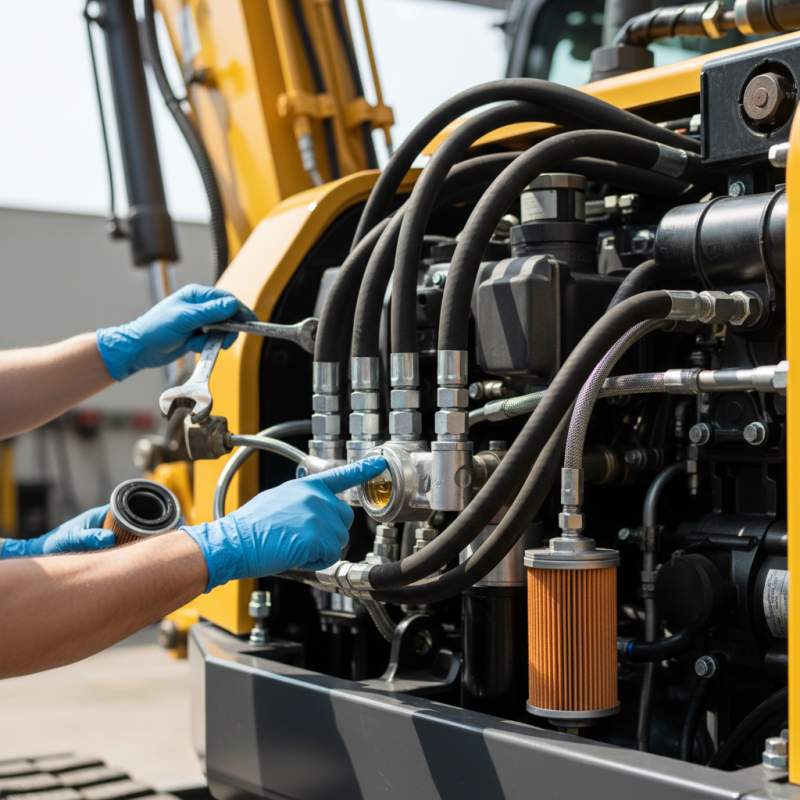
How to Prevent Hydraulic System Failure in Excavators?

Understanding Hydraulic Systems in Excavators

Understanding hydraulic systems is crucial for the efficient operation of excavators. These systems rely heavily on hydraulic fluid, which transfers power throughout the machine. Regular maintenance and attention to detail can mitigate potential failures. Hydraulic pumps, cylinders, and hoses all play integral roles in this process.

Tips for keeping hydraulic systems in top shape include regular fluid checks. Low fluid levels can lead to inadequate lubrication and overheating. Additionally, inspect hoses for wear or leaks. Damaged hoses can cause system failure unexpectedly. Clean filters also ensure smooth fluid flow, which is essential for optimal performance.

It is also vital to monitor the hydraulic system's temperature. Overheating can indicate deeper issues, potentially leading to costly repairs. Training operators to recognize signs of distress can save time and money. Documenting maintenance practices adds to reliability, providing a clear history for evaluating system performance. Each step taken today can prevent downtime tomorrow.

Hydraulic System Performance Metrics in Excavators

Common Causes of Hydraulic System Failures

Hydraulic system failures in excavators can stem from various issues. One common cause is contamination. Dirt, water, and debris can enter the hydraulic fluid, leading to wear and tear on components. Regularly check and change filters to reduce this risk. Without proper maintenance, small particles can cause significant damage.

Another issue is fluid leaks. Leaks can occur in hoses, fittings, and seals. Even a small leak can lead to decreased performance. Inspect hoses regularly for signs of wear and replace them when necessary. Keeping an eye out for any unexpected drops in fluid levels is essential.

Overheating is also a concern. If the hydraulic fluid becomes too hot, it loses its effectiveness. This is often a result of prolonged use under heavy loads or inadequate cooling. Installing a reliable cooling system can prevent overheating. Pay close attention to temperature gauges during operation. Not addressing overheating can lead to costly repairs down the road.

How to Prevent Hydraulic System Failure in Excavators? - Common Causes of Hydraulic System Failures

Cause of Failure Description Prevention Method
Contaminated Fluids Debris or particles in the hydraulic fluid can cause damage to components. Regular fluid analysis and using filters.
Overheating Excessive heat can cause fluid breakdown and component failure. Ensure proper cooling and fluid levels.
Incorrect Fluid Type Using the wrong hydraulic fluid can lead to inefficiency and damage. Refer to the manufacturer's specifications.
Seal and Hose Failures Worn seals and hoses can cause leaks and loss of pressure. Regular inspections and timely replacements.
Air in the System Air can cause erratic operation and inefficiency. Bleed the system to remove trapped air.

Regular Maintenance Practices for Hydraulic Systems

Regular maintenance of hydraulic systems in excavators is crucial for preventing system failure. Routine checks should include inspecting hoses for leaks or signs of wear. Look for cracks, bulges, or discoloration that may indicate potential issues. Fluid levels must be monitored regularly to ensure optimal performance. Low fluid levels can lead to overheating and damage.

Another important practice is to change hydraulic fluid according to the manufacturer's recommendations. Dirty or degraded fluid can cause serious problems, such as increased friction and reduced efficiency. Ensure that filters are regularly replaced to keep the system clean. Contaminants can lead to clogs and other operational failures.

Operators should also be trained to recognize abnormal sounds or vibrations. These can indicate underlying issues that need immediate attention. Keeping a maintenance log can help identify patterns and prevent repeated failures. It's worth noting that even the best maintenance practices might not eliminate all risks. However, being proactive significantly increases reliability and extends the life of the hydraulic system.

Key Components to Monitor for Hydraulic Reliability

When maintaining hydraulic systems in excavators, monitoring key components is vital for ensuring reliability. The hydraulic pump plays a crucial role. It generates the necessary pressure to operate various functions, from digging to lifting. Regularly checking for wear or unusual noises can signal impending failure.

Another essential part is the hydraulic fluid. Contamination can degrade performance. It's important to inspect fluid levels frequently. Dirty or low fluid can lead to overheating and operational inefficiencies.

Seals and hoses should not be overlooked. Any signs of leaks or cracks need immediate attention. These small issues can escalate, causing system downtime. Ignoring minor problems often leads to bigger failures. Regular visual inspections can prevent unexpected breakdowns and costly repairs.

Troubleshooting Tips for Hydraulic System Issues in Excavators

Hydraulic systems in excavators are vital for their performance. However, they are prone to various issues that can lead to significant downtime. One common problem is fluid contamination. According to industry reports, nearly 70% of hydraulic system failures are linked to dirty fluids. Regularly checking fluid levels and cleanliness is essential to prevent serious damage to components.

Another key area is leak detection. Hydraulic leaks can lead to reduced performance and costly repairs. Utilizing pressure testing can help identify weak spots. Interestingly, data shows that more than 30% of machines experience leaks. Keeping an eye on connections and seals can mitigate these risks.

Additionally, operators should pay close attention to unusual sounds. These can indicate impending failure. A noise level that exceeds 85 decibels could signal a problem, impacting both safety and efficiency. Adopting a proactive approach to maintenance is crucial, yet many overlook this responsibility until it's too late. Recognizing these early warning signs can save time and money in the long run.

FAQS

: Why is understanding hydraulic systems essential for excavators?

: Hydraulic systems enable effective power transfer. They determine the machine's overall efficiency and performance.

What role does hydraulic fluid play in these systems?

Hydraulic fluid transfers power and ensures smooth operation. Low fluid levels can lead to overheating and failure.

How can I maintain hydraulic systems effectively?

Regular fluid checks are crucial. Inspect hoses and clean filters to ensure optimal performance.

What are the signs of wear in hydraulic pumps?

Unusual noises or decreased performance indicate potential issues. Regular inspections can help identify these problems early.

Why should I monitor hydraulic temperatures?

Overheating signals deeper problems that can lead to costly repairs. Keeping an eye on temperature is important to avoid breakdowns.

What happens if hoses are damaged?

Damaged hoses can lead to sudden system failures. Regular inspections can catch these issues before they escalate.

How often should I inspect seals and hoses?

Frequent visual inspections are recommended. Even small leaks need immediate attention to prevent bigger failures.

Can operator training make a difference?

Yes, trained operators can spot distress signals early. This can save significant time and repair costs.

Is documentation of maintenance important?

Yes, it provides a clear performance history. This can increase reliability and improve future maintenance decisions.

Conclusion

To effectively understand how to prevent hydraulic system failure in excavators, it's essential to have a grasp of the workings of hydraulic systems, which rely on fluid power to operate various functions. Common causes of failures often stem from issues like contamination, leaks, and worn components. Implementing regular maintenance practices, such as fluid changes and inspections, can significantly reduce the risk of system breakdowns.

Monitoring key components, including pumps, hoses, and filters, is crucial for ensuring hydraulic reliability. Additionally, being equipped with troubleshooting tips can aid operators in quickly identifying and resolving potential issues before they escalate. By prioritizing these strategies, excavator operators can enhance the longevity of their hydraulic systems and minimize unexpected failures.

Mason

Mason

Mason is a seasoned marketing professional with a deep expertise in the company's offerings and a passion for driving brand awareness. With a strong background in digital marketing strategies, he has an innate ability to connect with diverse audiences and effectively communicate product benefits.......