How to Optimize Performance of Construction Machinery for Best Results?

Time:2026-05-11 Author:Mason
0%

In the competitive landscape of construction, understanding how to optimize performance of construction machinery is vital for success. Expert Marcus Thompson, a renowned specialist in heavy equipment management, emphasizes, "Effective machinery performance can significantly reduce project timelines and costs." This insight underlines the importance of not just using construction machinery, but mastering its operation.

Optimizing machinery performance extends beyond routine maintenance. It involves in-depth analysis and strategic planning. Factors such as machine selection, environmental conditions, and operator training play crucial roles. Machinery can underperform due to various reasons—like improper settings or lack of operator skill. Recognizing these challenges is the first step toward improvement.

Emphasizing the need for a holistic approach, we must also appreciate that optimization is an ongoing process. There are always lessons to learn from both successes and failures. As projects become more complex, the need to refine our machinery practices becomes more critical. By focusing on optimizing performance, we pave the way for enhanced efficiency and project effectiveness.
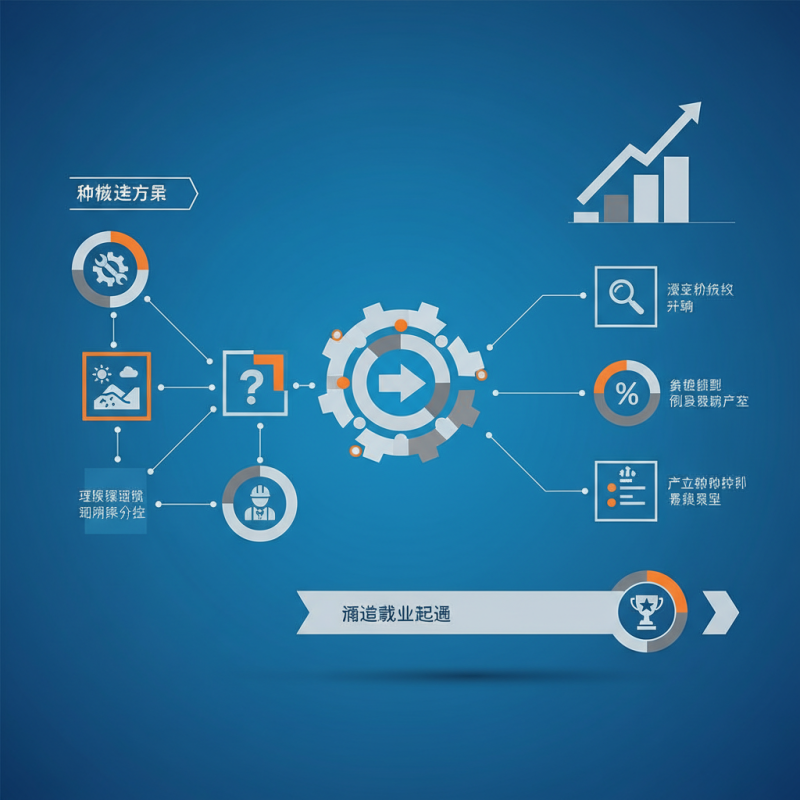
How to Optimize Performance of Construction Machinery for Best Results?

Understanding the Importance of Optimizing Construction Machinery Performance

Optimizing the performance of construction machinery is essential for any successful project. Improving efficiency not only leads to better results but also enhances safety on site. When machinery operates effectively, it reduces wear and tear. This can lead to fewer breakdowns and lower maintenance costs. Understanding various factors can make a significant difference.

Regular maintenance of machinery is crucial. Scheduled checks can prevent minor issues from escalating into major problems. Operators should be trained to spot signs of wear. This proactive approach often minimizes unplanned downtime. Keeping machinery clean can also enhance performance. Dust and debris can impact efficiency. Therefore, adopting a routine cleaning schedule is beneficial.

Here are some tips to optimize machinery performance.

  • Monitor fuel consumption closely. Higher fuel efficiency often indicates optimal working conditions.
  • Use the right attachments for specific tasks. This ensures that machinery operates within its capabilities.
  • Additionally, ensure that all operators understand the machinery's functions. Their expertise can significantly improve operation.
Emphasizing these points can create a culture of continuous improvement on job sites.

Regular Maintenance Practices to Enhance Machinery Efficiency

Regular maintenance practices are crucial in optimizing the performance of construction machinery. Research from the Construction Industry Institute shows that regular maintenance can increase machinery efficiency by up to 25%. Routine checks, like monitoring fluid levels and battery conditions, can help prevent costly breakdowns. Additionally, ensuring that machinery is clean reduces wear and tear, consequently enhancing performance.

Implementing a scheduled maintenance plan is essential. According to a study by McKinsey, firms that adopt preventive maintenance save an average of 12% in operational costs. However, many companies struggle with consistency in their maintenance routines. Equipment operators need training to spot early signs of wear. This step can help them avoid bigger issues that lead to prolonged downtimes.

Even with structured plans, some machinery can still underperform. Factors such as operator skill and environmental conditions can impact efficiency. Continuous improvement in training, along with frequent machinery evaluations, can aid in identifying potential problems earlier. Addressing these gaps is not only beneficial but necessary for long-term sustainability in the construction sector.

Implementing Advanced Technology for Performance Tracking

Advanced technology plays a critical role in optimizing the performance of construction machinery. Real-time performance tracking can significantly enhance equipment efficiency. According to recent industry reports, businesses incorporating data analytics have seen productivity improvements between 10% to 20%. This demonstrates that leveraging advanced tracking technologies can lead to substantial gains.

One of the key methods involves using sensors and IoT devices to collect performance data. With these tools, operators gain insights into fuel consumption, operational hours, and maintenance needs. For instance, a study by an industry group indicated that predictive maintenance enabled by technology can reduce downtime by up to 30%. However, while technology offers valuable insights, it requires careful interpretation. Misreading data can lead to inappropriate adjustments and operational setbacks.

Moreover, training staff to utilize these technologies effectively is essential. Many companies face challenges in this area. A failure to train can result in underutilization of data. Workers may struggle to understand complex data analytics. That can counteract the potential benefits of advanced performance tracking systems. Addressing these knowledge gaps is crucial for maximizing efficiency in construction machinery operations.

Training Operators for Optimal Machinery Utilization

Training operators is crucial for the optimal utilization of construction machinery. Proper training enhances safety, efficiency, and productivity on site. Skilled operators can execute tasks more accurately, reducing the risk of accidents and machine damage. They become familiar with various controls and functions, which leads to better decision-making under pressure.

Hands-on training is essential. Simulations and real operations help operators gain confidence. Assessments can reveal areas for improvement. Many operators might not understand every aspect of their machines. This gap can lead to underutilization or, worse, unsafe practices. Regular workshops and refresher courses can address these issues effectively.

Feedback loops are valuable for continuous growth. Operators should feel comfortable discussing challenges they face. This creates an environment of learning. Sometimes, mistakes can reveal hidden problems with machinery. Recognizing these can lead to timely repairs and adjustments, optimizing overall performance. Investing in operator training pays off in reduced downtime and increased job satisfaction.

How to Optimize Performance of Construction Machinery for Best Results?

Dimension Current Value Target Value Improvement Strategy
Fuel Efficiency 8 MPG 12 MPG Regular Maintenance and Operator Training
Downtime 15% 5% Implement Preventive Maintenance Schedule
Operator Skill Level Intermediate Expert Conduct Regular Training Sessions
Operational Speed 80% of Specs 100% of Specs Operator Efficiency Training
Maintenance Cost $2000/month $1000/month Optimize Parts Replacement Schedule

Evaluating and Upgrading Equipment for Maximum Productivity

Upgrading construction machinery can significantly enhance productivity. Regular evaluations help identify inefficiencies. Operators should assess performance metrics frequently. This often involves monitoring machine hours, fuel consumption, and maintenance records. A proactive approach can prevent minor issues from escalating.

Investing in technology can yield high returns. Consider integrating telematics systems for real-time data. This allows operators to track equipment usage and identify patterns. However, the learning curve can be steep for some teams. Ongoing training and support are essential to fully leverage new tools.

Choosing the right upgrades is crucial. Not every enhancement may fit your specific needs. Research and discussion among team members can guide decision-making. Balancing cost with expected outcomes is challenging. Regular feedback from operators provides valuable insights for future improvements.

FAQS

: Why is optimizing construction machinery performance important?

: It improves efficiency, leads to better results, and enhances site safety.

How can regular maintenance affect machinery performance?

Scheduled checks prevent minor issues from becoming major problems, reducing downtime.

What role does operator training play in machinery utilization?

Skilled operators execute tasks accurately, enhancing safety and productivity on site.

How can technology improve machinery performance tracking?

Real-time tracking provides insights that can increase productivity by 10% to 20%.

What are the benefits of using IoT devices in construction?

They collect data on fuel consumption and maintenance needs, improving operational efficiency.

Why is hands-on training important for operators?

It helps them gain confidence and develop better decision-making skills under pressure.

What can happen if data is misinterpreted in performance tracking?

It may lead to inappropriate adjustments and operational setbacks.

How can feedback loops benefit machinery operations?

They create a culture of learning, leading to timely repairs and optimized performance.

What can regular workshops achieve for operators?

They address knowledge gaps and reinforce safe practices, promoting continuous improvement.

What areas often need reflection in operator training?

Many operators might lack complete knowledge, leading to underutilization or unsafe practices.

Conclusion

Optimizing the performance of construction machinery is crucial for achieving peak productivity and efficiency on job sites. To understand how to optimize performance of construction machinery, it is essential to implement regular maintenance practices, which help ensure that equipment operates smoothly and reduces the likelihood of breakdowns. Additionally, incorporating advanced technology for performance tracking allows for real-time monitoring, helping operators and managers make informed decisions for better resource allocation.

Moreover, providing thorough training for machine operators is vital to ensure they utilize equipment effectively, maximizing its potential. Evaluating and upgrading equipment periodically ensures that the machinery meets current project demands and incorporates the latest advancements, ultimately driving productivity. By focusing on these areas, construction professionals can achieve significant improvements in machinery performance and operational outcomes.

Mason

Mason

Mason is a seasoned marketing professional with a deep expertise in the company's offerings and a passion for driving brand awareness. With a strong background in digital marketing strategies, he has an innate ability to connect with diverse audiences and effectively communicate product benefits.......