Equipment failure can be a significant challenge for businesses. It disrupts operations and increases costs. Knowing which maintenance practices reduce equipment failure is crucial for maintaining efficiency and reliability. Regular maintenance not only helps in identifying potential issues but also extends the lifespan of equipment.
Many organizations overlook simple practices that can make a substantial impact. For instance, routine inspections can catch wear and tear early. This often requires less time and expense compared to a full breakdown. It’s important to recognize that even minor neglect can lead to significant failures down the line.
Additionally, staff training and awareness contribute to a culture of proactive maintenance. When employees understand how to properly care for equipment, they enhance overall performance. However, some companies may struggle with implementing effective strategies consistently. Therefore, it's vital to address these gaps to achieve better results and minimize equipment failure risks.
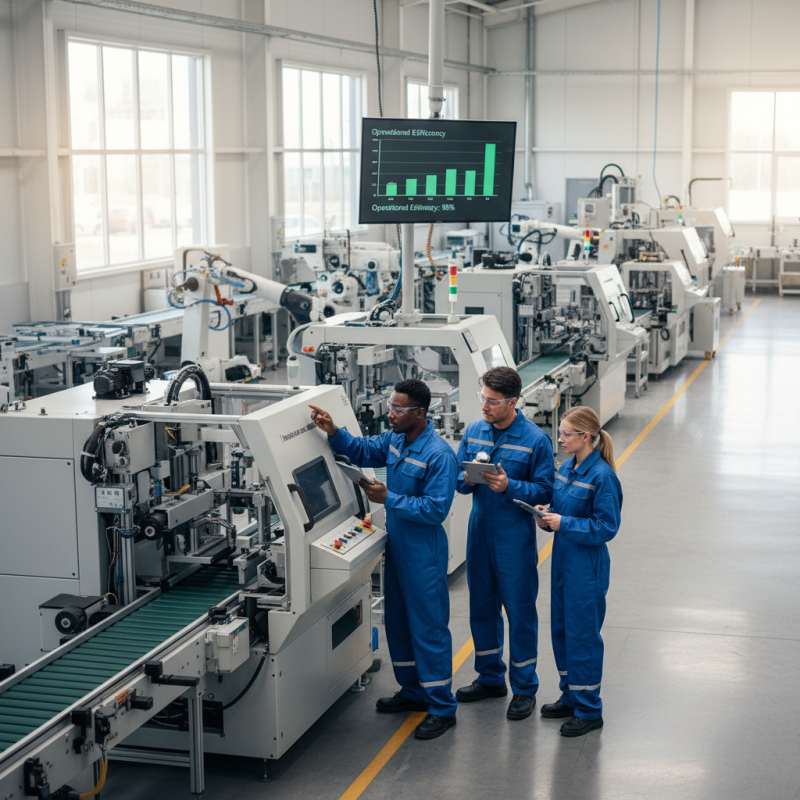
Proper maintenance of equipment is crucial in reducing failure rates. According to industry reports, nearly 80% of equipment failures can be attributed to lack of proper maintenance. Regular oversight is not just a good practice; it is essential for prolonging equipment life.
One effective tip is to implement a proactive maintenance schedule. This involves routine inspections and timely servicing. For instance, machinery should be checked monthly to identify any signs of wear or defect. In fact, studies indicate that companies practicing routine maintenance can improve reliability by up to 30%.
Another valuable practice is employee training. Having staff skilled in equipment operation and basic maintenance can prevent mishaps. A report by the Maintenance Excellence Institute shows that trained employees can reduce error-related failures by 25%. It’s important to remember that even small mistakes in operation can lead to significant issues down the line.
Tracking equipment performance using data analytics is also beneficial. Analyzing trends helps in identifying potential problems before they escalate. It allows companies to make informed decisions on when to replace or repair assets. Ignoring this step can lead to unexpected downtime and costly repairs, affecting overall productivity. Being aware of these tips ensures a more reliable operational environment, ultimately minimizing failures.
Regular maintenance is crucial in extending the lifespan of equipment. According to industry reports, up to 80% of equipment failures are attributed to poor maintenance practices. This statistic underscores the significance of implementing a structured maintenance schedule. Routine checks can identify potential issues before they escalate, reducing unexpected breakdowns. A proactive approach not only saves time but also cuts costs associated with emergency repairs.
Preventive maintenance, including lubrication, cleaning, and inspections, can enhance efficiency. A survey by a leading maintenance organization revealed that companies practicing regular maintenance enjoy a 10-20% reduction in equipment downtime. This improvement translates into higher productivity and better output quality.
However, many organizations still underestimate the importance of such practices. They might delay routine checks or neglect minor repairs, leading to major malfunctions. It's essential to cultivate a culture of accountability, where every team member understands their role in maintenance. Investing time in training staff on basic maintenance skills can yield significant returns. After all, a well-maintained machine is not just a financial asset; it's integral to operational success.
Equipment failure is a significant concern across various industries. According to the latest reports, equipment failure rates can reach as high as 40% in some sectors. The leading causes include lack of maintenance, operational errors, and inadequate training. For instance, a study from a respected industry group highlighted that 25% of unplanned outages stem from poor maintenance practices.
To mitigate these risks, companies should adopt consistent maintenance schedules. Regular checks can identify wear and tear before it leads to failure. Utilizing predictive maintenance technologies can also help anticipate issues. Experts recommend data analytics to monitor equipment conditions effectively.
Training staff is equally crucial. A well-informed team can recognize early warning signs. Reporting these signs can decrease failure rates significantly. It has been shown that organizations investing in staff training see up to a 30% reduction in equipment issues. Engaging everyone in maintenance practices fosters a proactive culture.
Implementing predictive maintenance has become essential for enhancing equipment reliability. According to a report by McKinsey, companies that adopt predictive maintenance can lower maintenance costs by 25% to 30%. This strategy relies on data and analytics to forecast potential failures, enabling timely interventions before equipment breaks down.
A critical aspect of predictive maintenance is real-time monitoring. Sensors track performance and detect anomalies early. Regularly check and calibrate these sensors to ensure accuracy. Inconsistent data can lead to missed opportunities for maintenance.
Another tip is to train your maintenance team in data analysis. A well-informed team interprets data effectively and acts swiftly. Research shows that companies with skilled teams are 30% more efficient. Finally, integrating the insights gained from predictive maintenance into your operational strategies can lead to significant improvements in uptime and productivity.
Effective training is crucial in preventing equipment misuse and failures. When operators understand how to use machinery correctly, they significantly reduce the risk of accidents. Training sessions should be hands-on and involve real-life scenarios. This method helps employees grasp the equipment's functionalities better.
Supervision during training also plays a key role. Inexperienced operators may feel overwhelmed and make mistakes. Regular check-ins can mitigate this risk. Providing personalized feedback allows workers to improve their skills. Ensuring each individual's understanding creates a culture of safety.
However, not all training programs are flawless. Some can overlook critical aspects of equipment operation. This can lead to employees making the same mistakes repeatedly. Continuous improvement in training modules can help address these gaps. Encouraging open dialogue about difficulties faced can further enhance the learning process.
Data analytics is transforming maintenance scheduling and monitoring. By leveraging predictive analytics, companies can reduce equipment failure rates significantly. A report from McKinsey indicates that predictive maintenance can cut failure rates by 70%. This shift from reactive to proactive maintenance means organizations can act before problems occur.
Implementing data-driven strategies requires understanding equipment performance trends. Sensors and IoT devices collect valuable data in real time. This data allows teams to analyze the health of machinery continually. According to IBM, organizations using data analytics for maintenance can reduce costs by 25%. However, the challenge remains in ensuring data quality and accuracy. Inaccurate data can lead to poor decision-making.
Furthermore, integrating analytics into existing systems can be complex. Companies may struggle with data overload or misinterpretation. A report by Deloitte highlights that 47% of organizations face hurdles in understanding their data fully. Continuous training and adjustment of strategies are essential. Embracing these challenges will lead to effective maintenance management and improved equipment longevity.
The chart above illustrates the effectiveness of various maintenance strategies in reducing equipment failure. Regular inspections and scheduled maintenance emerge as the most effective tips, while staff training also plays a significant role in ensuring optimal equipment performance.
: Regular maintenance reduces failure rates and prolongs equipment life. Neglecting it can lead to significant issues.
Equipment should be checked at least monthly for signs of wear or defect. This helps identify potential problems early.
Training helps staff operate equipment correctly. Skilled employees can prevent mishaps that lead to failures.
Data analytics tracks performance and identifies trends. This allows for informed decisions on repairs and replacements.
Predictive maintenance uses data to forecast failures. It helps intervene before equipment breakdowns occur.
Sensors monitor performance and detect anomalies. Regular calibration ensures their accuracy and effectiveness.
A trained team can interpret data and respond quickly. This improves overall maintenance efficiency by up to 30%.
Ignoring maintenance can lead to unexpected downtime. This results in costly repairs and lost productivity.
Small mistakes can escalate into significant failures later, emphasizing the need for thorough staff training.
Incorporating these insights into operations can enhance uptime and productivity, driving better overall performance.
Regular maintenance is crucial for extending the lifespan of equipment and minimizing the risk of failure. Understanding the common causes of equipment failures through industry statistics can provide valuable insights into which maintenance practices reduce equipment failure. By implementing strategies such as predictive maintenance, businesses can enhance equipment reliability and reduce downtime.
Additionally, proper training for personnel is essential to prevent misuse and subsequent failures. Coupling this with the utilization of data analytics for proactive maintenance scheduling helps organizations monitor their equipment effectively, ensuring timely interventions. Overall, prioritizing these maintenance approaches can significantly mitigate the incidence of equipment failures and lead to more efficient operations.

Aksurion Hydraulic