How to Maintain Hydraulic Systems in Construction Equipment?

Time:2026-08-09 Author:Sienna
0%

Hydraulic systems are critical in construction equipment. Proper maintenance ensures peak performance and longevity. As John Smith, a hydraulic systems expert with over 20 years of experience, once said, “Neglecting hydraulic maintenance can lead to costly breakdowns.” This highlights the importance of routine checks and service.

To effectively learn how to maintain hydraulic systems in construction equipment, operators must understand the components involved. Regularly inspect hoses, fittings, and filters. Clean the system to prevent debris buildup. Worker training is a must. Only knowledgeable personnel should handle these systems.

Adopting preventive maintenance strategies can save both time and money. However, many neglect routine tasks. The repercussions can be severe, leading to equipment failure on the job site. Owners should take responsibility and prioritize maintenance to avoid future issues. This proactive approach will undoubtedly enhance the equipment's reliability and performance.
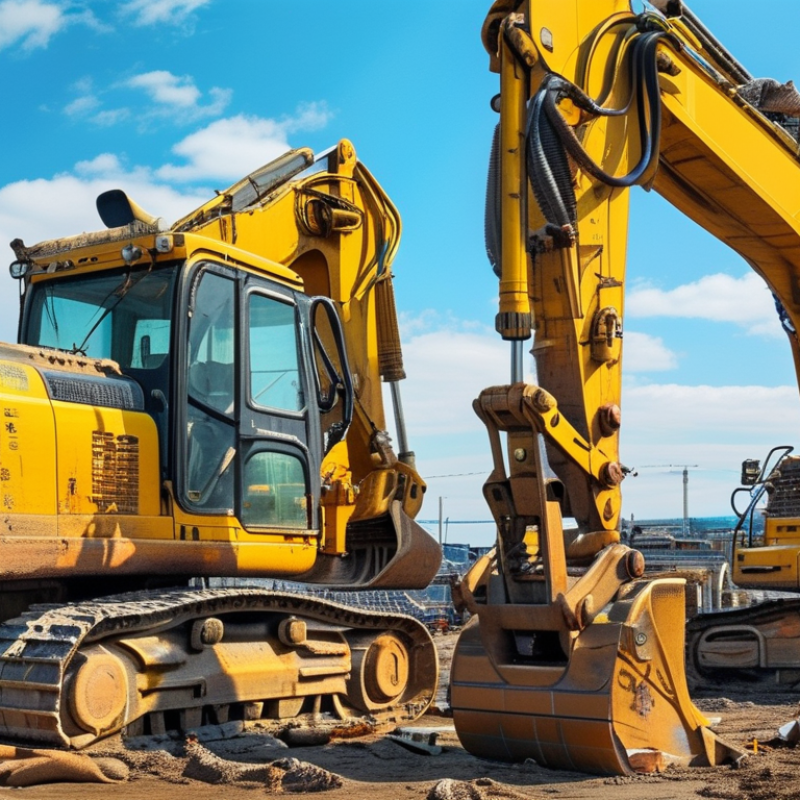
How to Maintain Hydraulic Systems in Construction Equipment?

Importance of Regular Maintenance for Hydraulic Systems

Regular maintenance of hydraulic systems in construction equipment is vital for optimal performance. It prevents costly breakdowns and prolongs the lifespan of equipment. Insufficient maintenance can lead to leaks, which not only waste fluid but also affect pressure and efficiency. Daily inspections can catch minor issues before they escalate. For example, checking hose connections and fluid levels can save time and money.

Observing the signs of wear and tear is crucial. Look for unusual noises or erratic movements in equipment. These symptoms may indicate that the hydraulic components need attention. Ignoring these signs can lead to catastrophic failures. Implementing a routine maintenance schedule is essential. Qualified personnel should perform regular checks. They can ensure that filters are replaced and fluids are clean.

Hydraulic systems are intricate, requiring specialized knowledge. Understanding their components can enhance overall safety and efficiency. Familiarity with the system allows operators to be proactive. This approach fosters a culture of reliability within the workforce. Maintenance is not just a task; it’s a commitment to excellence that pays off over time.

Common Signs of Hydraulic System Issues in Construction Equipment

Hydraulic systems play a crucial role in the performance of construction equipment. Identifying issues early can save time and costs. Observing common signs of hydraulic system problems is essential for maintenance.

One prominent sign is a noticeable drop in performance. If the machinery moves slower than usual, it may indicate low fluid levels or leaks. Dark or muddy fluid can also signal contamination, which affects system efficiency. Additionally, unusual noises, like grinding or whining, often suggest internal wear or damage. Ignoring these sounds may lead to severe failures down the line.

Another indicator is overheating. If the hydraulic fluid gets too hot, it can damage components. Fluid temperature should remain stable during operations. Also, check for visible leaks. Puddles under equipment usually point to a problem. Addressing these signs promptly can prevent costly repairs. Regular inspections and trained professionals can help maintain hydraulic systems effectively.

Step-by-Step Guide to Inspecting Hydraulic Fluid Levels and Quality

Inspecting hydraulic fluid levels and quality is crucial for the performance of construction equipment. Start by locating the hydraulic reservoir. Use a dipstick, if available, to check fluid levels. Ensure the equipment is on level ground for an accurate reading. Low levels can indicate leaks or consumption, which require immediate attention.

Next, assess the fluid quality. Look for discoloration or a burnt smell, which signals degradation. Contaminants like dirt or water can compromise hydraulic efficiency. If the fluid appears murky or has particles, a change is likely needed. Sampling the fluid for analysis can provide insights into its health and remaining lifespan.

Regular inspections can prevent costly repairs. Don't overlook manufacturer guidelines for maintenance intervals. Keeping the hydraulic system in good condition involves vigilance and knowledge. It's a process that requires patience and attention to detail. Over time, you’ll build an understanding of what is normal for your equipment, which is key to effective management.

Hydraulic Fluid Quality Inspection in Construction Equipment

Best Practices for Cleaning and Replacing Hydraulic Filters

Maintaining hydraulic systems in construction equipment is crucial. Over time, debris and contaminants can accumulate in hydraulic fluids. This often leads to reduced efficiency and increased wear. Regular cleaning and replacing of hydraulic filters play a key role in system longevity.

When cleaning hydraulic filters, ensure you follow manufacturer guidelines. This involves removing the filter and inspecting it for damage. If the filter appears worn, it’s best to replace it entirely. Remember, a clogged filter can restrict fluid flow. This causes undue stress on hydraulic components and may lead to costly repairs.

Fluid cleanliness is vital. Use a clean container when you refill fluids. Avoid cross-contamination by ensuring that tools and hoses are also clean. After replacing the filter, run the system for a few minutes and check for leaks. This simple practice can prevent larger issues down the road, like system failures or inefficient operation.

Preventative Measures to Extend the Life of Hydraulic Components

Maintaining hydraulic systems in construction equipment is crucial for longevity. Regular checks can prevent costly breakdowns. Fluid levels should be monitored frequently. Low fluid can lead to inadequate lubrication and overheating. Ensure oil and hydraulic fluids are clean and free from contaminants. Dirt can compromise system performance.

Scheduled maintenance is vital. Inspect hoses and connectors for wear. Look for leaks, as even a small one can indicate bigger issues. Replace worn or damaged components promptly. Using proper filtration systems can help maintain fluid cleanliness, which is often overlooked.

Operators should be trained to recognize abnormal sounds or vibrations. Addressing these issues early can prevent catastrophic failures. However, even with all precautions, parts may still fail. This reality highlights the importance of having a reliable inspection routine. Regular maintenance should not be an afterthought; it must be integral to your operational process.

How to Maintain Hydraulic Systems in Construction Equipment? - Preventative Measures to Extend the Life of Hydraulic Components

Maintenance Activity Frequency Description Impact on Hydraulic Components
Fluid Level Check Daily Ensure hydraulic fluid is at optimal level to prevent pump damage. Reduces risk of overheating and component wear.
Filter Replacement Every 250 hours Replace hydraulic filters to maintain fluid cleanliness. Prevents contamination, thus extending pump and valve life.
Hose Inspection Monthly Inspect hoses for cracks, leaks, or bulges. Avoids pressure losses and system failures.
Fluid Condition Check Every 500 hours Test hydraulic fluid for viscosity and contamination. Ensures optimal fluid performance and component protection.
Pump Calibration Annually Calibrate pumps for accurate flow rates and pressures. Optimizes performance and extends the lifespan of pumps.

FAQS

: What are common signs of hydraulic system problems?

: Common signs include performance drops, unusual noises, and overheating of the hydraulic fluid.

Why is dirty hydraulic fluid a concern?

Dirty fluid can lead to inefficiency. It causes wear on components and can result in costly repairs.

How often should hydraulic filters be cleaned or replaced?

Regularly cleaning and replacing filters is crucial. This should be done based on manufacturer guidelines.

What should be done if I notice a leak under the equipment?

Leaks indicate a serious issue. Address them promptly to avoid further damage and costly repairs.

How can I ensure fluid cleanliness during maintenance?

Use clean containers and tools. Avoid cross-contamination to maintain hydraulic system efficiency.

What maintenance steps can extend the life of hydraulic components?

Regular inspections, checking fluid levels, and replacing worn parts help prevent breakdowns.

Are there training requirements for equipment operators?

Yes, training should include recognizing abnormal sounds or vibrations. Early detection can prevent failures.

Is it possible for hydraulic parts to fail despite maintenance?

Yes, even with good maintenance, failures can occur. This highlights the need for regular inspections.

How can overheating affect hydraulic systems?

Overheating can damage components. Keeping fluid temperature stable during operations is essential for longevity.

What is the impact of low hydraulic fluid levels?

Low fluid can cause inadequate lubrication. This often leads to overheating and ultimately, equipment failure.

Conclusion

Maintaining hydraulic systems in construction equipment is crucial for ensuring optimal performance and longevity of the machinery. Regular maintenance helps prevent costly breakdowns and enhances safety on job sites. Common signs of hydraulic system issues include leaks, unusual noises, and decreased efficiency, which should prompt immediate inspection.

To effectively maintain these systems, operators should follow a step-by-step guide to inspect hydraulic fluid levels and quality, ensuring they are within manufacturer specifications. Cleaning and replacing hydraulic filters regularly is also essential to prevent contamination and promote efficient operation. Additionally, implementing preventative measures, such as routine checks and timely repairs, can significantly extend the life of hydraulic components, ultimately saving time and money in the long run.

Sienna

Sienna

Sienna is a skilled marketing professional with a deep expertise in our company’s core products and services. With a passion for innovation and detail, she plays a pivotal role in crafting insightful blog posts that not only highlight the unique features of our offerings but also provide valuable......