Hydraulic systems play a critical role in numerous industries, from manufacturing to aviation. Understanding what are key factors in hydraulic system design is essential for engineers and designers. A well-crafted hydraulic system can boost efficiency, reduce operational costs, and enhance safety. According to a recent report by the International Journal of Fluid Power, poorly designed systems lead to a staggering 30% decrease in machine productivity.
When examining hydraulic design, several elements require attention. Components like pumps, valves, and actuators must be selected carefully. Each part must align with the system's intended function and performance metrics. Furthermore, the selection of hydraulic fluid is vital. Properties such as viscosity and thermal stability can drastically affect system longevity and efficiency.
However, even experts can overlook specific design aspects. For example, insufficient attention to system maintenance can lead to significant failures. Regular monitoring and adaptation of the system are often neglected, despite their critical roles. By identifying and addressing these key factors in hydraulic system design, organizations can significantly improve operation efficiency and safety.
Understanding the Basics of Hydraulic Systems and Their Applications
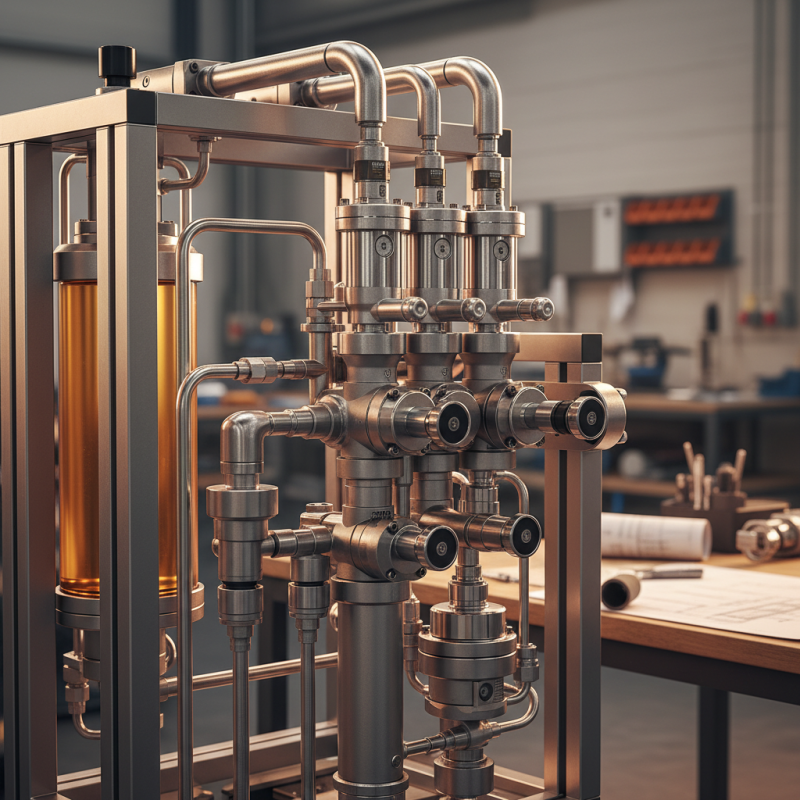
Hydraulic systems are essential in various applications, from industrial machines to aircraft. Understanding these systems begins with grasping their basic components. A hydraulic system typically consists of a pump, valves, actuators, and fluid. Each part plays a vital role in the overall function. The pump moves fluid, while valves control its direction. Actuators translate hydraulic energy into movement, demonstrating the interplay between components.
Real-world examples illustrate the applicability of hydraulic systems. In construction, excavators rely on hydraulics for powerful lifting and digging. In aviation, hydraulic systems control critical flight surfaces. However, designing an efficient hydraulic system can be challenging. Factors such as pressure requirements, fluid properties, and system efficiency must be carefully considered. Mistakes can lead to failures or inefficiencies, further complicating the design process.
Many engineers face uncertainties when selecting components. Sometimes, there’s a lack of clear guidelines for specific applications. Trial and error, while sometimes necessary, can be time-consuming. Continuous research and learning from real-world scenarios can improve design decisions. It's important to reflect on past projects, analyzing what worked and what didn't. This practice enhances understanding and guides future designs.
Hydraulic System Design: Key Factors Influencing Performance
This bar chart illustrates the relative impact of various key factors on hydraulic system performance. Understanding these factors is crucial for effective hydraulic system design.
Identifying Key Components in Hydraulic System Design
When designing hydraulic systems, identifying key components is essential. A hydraulic system typically consists of a pump, actuators, valves, and a reservoir. Each component plays a critical role in the overall functionality. The pump generates flow, while the actuators convert hydraulic energy into mechanical movement. Valves control the flow and pressure within the system. Proper selection of these components can greatly affect efficiency and performance.
Pay attention to specific details when choosing components. Consider the application requirements, such as load capacity and speed. Calculate the power needed based on the system's demands. Inspect the environment where the hydraulic system will operate. Factors like temperature and potential contaminants should inform your decisions. A mismatch can lead to inefficiency, increased wear, or system failure.
Reflecting on past projects can also offer insights. Review what worked well and what didn’t. Are there components that frequently fail? If so, investigate why. Continuous learning is crucial in hydraulic design. Each error or oversight provides valuable lessons. Understanding these challenges helps refine future designs.
Factors Influencing Pressure and Flow in Hydraulic Systems
Hydraulic systems rely on several key factors influencing pressure and flow. Understanding these elements is crucial for effective system design. Pressure levels are significantly affected by fluid viscosity and temperature. Higher temperatures typically reduce viscosity, enhancing flow. Conversely, low temperatures can increase viscosity, leading to reduced flow rates. Designers must consider these variations to ensure optimal performance in diverse operating environments.
Flow rates are another vital aspect. They depend on the size and shape of the components within the system. For instance, narrow pipes can restrict flow, leading to increased pressure drops. In contrast, larger, more streamlined components facilitate better fluid movement. Identifying the right balance can be challenging. Overdesigning for flow may raise costs unnecessarily, while underestimating requirements can lead to malfunction.
Additionally, system efficiency is influenced by the layout of the hydraulic circuit. A complex configuration can introduce unwanted pressure drops and flow restrictions. Each joint and connection may present potential leak points. Regular assessment of the system design is essential. An imbalance might not be clear at first. Reflection on these elements can lead to improvements through iterative design processes. Understanding the impact of these factors enables better decision-making for reliable hydraulic systems.
Evaluating Efficiency and Performance Requirements in Design
When designing a hydraulic system, evaluating efficiency and performance is crucial. Efficiency refers to how well the system converts hydraulic energy into useful work. Performance encompasses the system's response to load changes, speed, and cycle time. Both factors interlink; optimizing one can often enhance the other.
Start by analyzing the fluid dynamics involved. Understanding fluid flow and pressure drops helps in making informed design choices. Use simulations to predict system behavior under various conditions. This approach reveals potential issues early, reducing the need for costly adjustments later.
Consider the materials used in the system. A compromise on quality can lead to inefficiencies. For example, a cheaper seal might fail sooner than expected. Such decisions impact overall performance and increase maintenance needs. Reflect on trade-offs within your design. Are you prioritizing cost over reliability? Adjustments made during initial stages can save time and resources down the line.
Safety Considerations in Hydraulic System Design and Implementation
When designing hydraulic systems, safety considerations are paramount. The system's operations reach high pressures, creating risks if not carefully managed. Regular assessments improve safety. Engineers must stay updated with best practices and industry standards.
Pressure relief valves play a crucial role. They prevent excessive pressure buildup, which can lead to catastrophic failures. However, these components can be overlooked during maintenance. This negligence could result in serious accidents. Implementing a rigorous inspection schedule can mitigate such risks.
Another aspect is the choice of materials. Hydraulic fluids can degrade some substances over time. Selecting the right materials is essential to avoid leaks. Leaks can cause hazards, not only to equipment but also to personnel. Proper training on these materials enhances safety. Understanding their properties can lead to better decisions in maintenance and operations.
How to Identify Key Factors in Hydraulic System Design? - Safety Considerations in Hydraulic System Design and Implementation
| Factor |
Description |
Importance |
Safety Implications |
| Fluid Quality |
Ensuring clean and appropriate fluid is used to prevent system failures. |
High |
Poor fluid quality can lead to component wear and system leaks. |
| Pressure Ratings |
Components must be rated for the maximum system pressure to avoid failures. |
Critical |
Underestimating pressure can lead to catastrophic failures and safety hazards. |
| Component Selection |
Choosing appropriate components for specific application requirements. |
High |
Incompatible components can lead to malfunction and risk to operators. |
| System Layout |
Designing a logical and effective layout for components and hoses. |
Moderate |
Poor layout may create hazards and complicate maintenance tasks. |
| Safety Features |
Incorporating alarms, gauges, and emergency shutdowns. |
Essential |
Lack of safety features increases the risk of accidents. |
Conclusion
Understanding hydraulic systems is crucial for effective design and application across various industries. To explore what are key factors in hydraulic system design, one must first grasp the fundamental components and their functionalities. The design process involves identifying essential elements such as pumps, valves, and actuators, which contribute to system efficiency. Additionally, factors influencing pressure and flow, such as hydraulic fluid properties and system configuration, play a significant role in performance outcomes.
Efficiency and performance requirements must be evaluated to ensure that the hydraulic system meets operational demands while minimizing energy consumption. Lastly, safety considerations are paramount, guiding the implementation of design practices that guard against failures and hazards. By diligently addressing these factors, engineers can optimize hydraulic system design for reliability and effectiveness in their applications.

 Aksurion Hydraulic