Hydraulic systems are crucial in many industries. They provide powerful and efficient operation, but they can sometimes fail. A common issue is pressure loss. This raises the question: why do hydraulic systems lose pressure? Understanding the reasons behind this problem is essential for effective troubleshooting.
Pressure loss can stem from various factors. Leaks in hoses and fittings are a primary concern. Even small leaks can lead to significant drops in pressure. Another issue could be contamination in the hydraulic fluid, which can cause the system to work inefficiently. Regular maintenance can help, but it often goes overlooked.
It's crucial to recognize the signs of pressure loss. A system that does not respond as expected may indicate underlying problems. Identifying these issues early on can save time and money. Reflecting on your hydraulic system's performance can lead to better outcomes and increased reliability. Understanding why these problems occur is the first step to finding solutions.
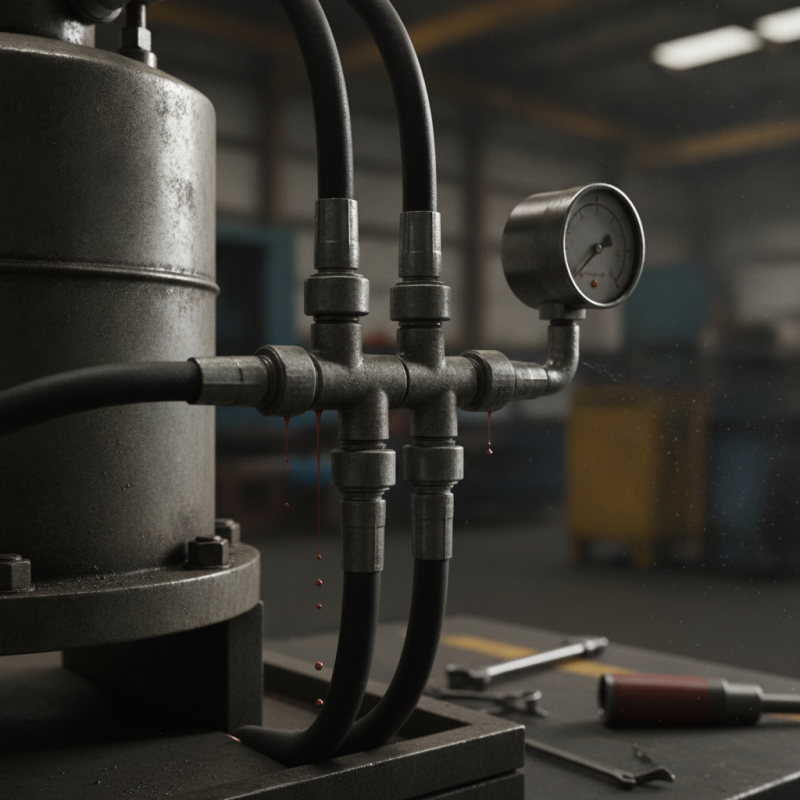
Hydraulic systems are vital in many industries. Understanding pressure loss mechanisms is crucial. Leaks are a common cause of pressure loss. Small cracks or loose fittings can let fluid escape. Over time, these leaks can become significant, leading to performance issues.
Fluid contamination is another important factor. Particles in the hydraulic fluid can cause wear on components. This wear can lead to reduced pressure. Regularly checking fluid quality is essential. Even minor contamination can have lasting effects.
Finally, incorrect hydraulic fluid levels can lead to problems. An insufficient amount of fluid can create air pockets. These pockets disrupt the flow, causing pressure to drop. Regular maintenance is key. Addressing these issues promptly can prevent bigger problems down the line.
| Causes of Pressure Loss | Description | Solution |
|---|---|---|
| Fluid Leaks | Leakage from hoses, fittings, or seals can lead to significant pressure loss. | Inspect and repair damaged hoses and fittings, and replace seals as needed. |
| Blocked Filters | Filters may become clogged with contaminants, obstructing fluid flow. | Regularly check and replace filters. |
| Low Fluid Levels | Insufficient hydraulic fluid can cause pressure drops. | Maintain appropriate fluid levels and top up when necessary. |
| Air Contamination | Air trapped in the hydraulic system can cause erratic pressure and performance issues. | Bleed the system to remove air pockets and ensure proper fluid circulation. |
| Worn Components | Deteriorated parts such as pumps, valves, and cylinders can impact system pressure. | Inspect for wear and replace faulty components as necessary. |
: Leaks, fluid contamination, and incorrect fluid levels are common causes. These issues can disrupt performance significantly.
Small cracks or loose fittings can allow fluid to escape. Over time, this results in noticeable pressure drops.
Contaminated fluid can wear components quickly. This wear reduces pressure and overall system efficiency.
Regularly checking fluid quality is essential. Even minor contamination can lead to significant performance issues.
Low fluid levels can create air pockets. These disrupt flow and lead to reduced pressure.
Addressing leaks and ensuring clean fluid can help restore pressure. Regular inspections are crucial for early detection.
Filtration systems help keep fluids clean. Clean fluids enhance efficiency and prolong system lifespan by reducing wear.
Regular maintenance can reduce failures significantly. It's a proactive way to address potential leaks and contamination issues.
Yes, inspect hoses and fittings for leaks. Additionally, monitor fluid levels and quality regularly.
Hydraulic systems are essential in various applications, and understanding why they lose pressure is crucial for maintaining their efficiency. The mechanisms behind pressure loss can range from leaks in hoses and fittings to issues with the hydraulic fluid itself. Common causes include worn seals, contaminated fluid, and damaged components, which can lead to diminished performance and system failures.
Diagnosing pressure loss involves recognizing key signs such as unexpected drops in pressure readings, unusual noises, and erratic movements in machinery. To effectively restore hydraulic pressure, solutions may involve repairing leaks, replacing worn parts, or ensuring fluid cleanliness. Implementing preventative maintenance practices, such as routine inspections and timely fluid changes, can significantly reduce the risk of pressure loss, ensuring the reliability and longevity of hydraulic systems. Understanding why do hydraulic systems lose pressure and addressing these challenges promptly will enhance operation efficiency and reduce downtime.

 Aksurion Hydraulic