What Hydraulic Solutions Boost Machine Efficiency Today?

Time:2026-06-01 Author:Charlotte
0%

In today's fast-paced industrial environment, efficiency is paramount. Businesses seek ways to enhance their operations and increase productivity. One critical aspect is hydraulic systems, which play a significant role in machine performance. The question arises: which hydraulic solutions improve machine efficiency?

Modern hydraulic advancements offer solutions that can dramatically boost operational effectiveness. For instance, integrating variable displacement pumps can optimize energy use. These pumps adjust flow based on demand, reducing waste and enhancing responsiveness. In addition, using high-performance hydraulic fluids can improve system longevity and reduce friction.

However, not all solutions fit every situation. Companies must carefully assess their specific needs. This can lead to oversights in selecting the right hydraulic components. Ultimately, the key lies in understanding how each solution fits into the overarching operational framework. Embracing innovation while critically evaluating choices is essential for sustained growth.
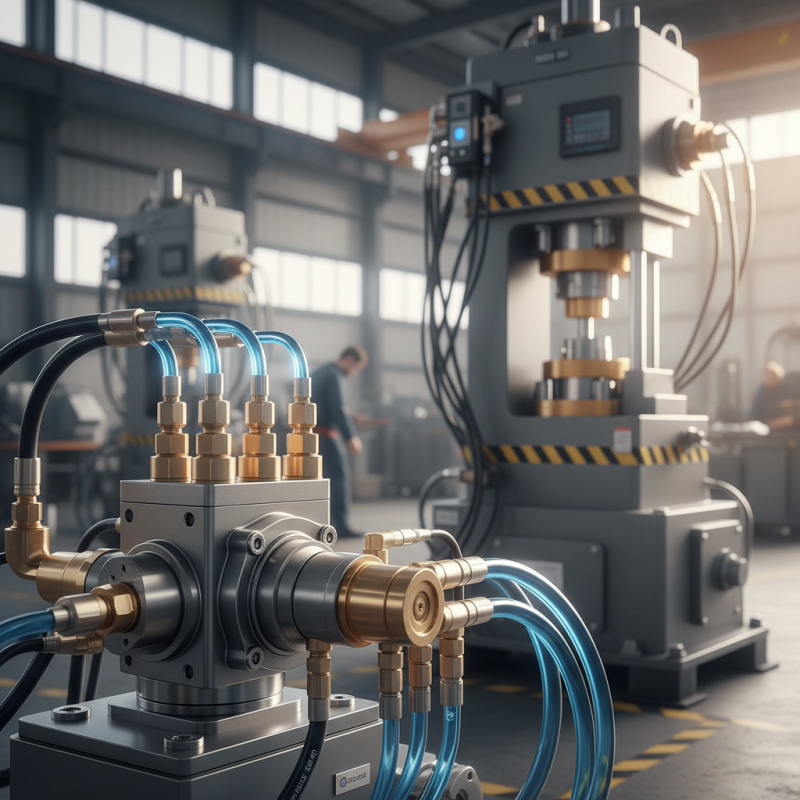
What Hydraulic Solutions Boost Machine Efficiency Today?

Hydraulic System Fundamentals and Their Role in Machine Efficiency

Hydraulic systems are crucial in modern machinery. They convert fluid power into mechanical energy, offering efficiency and precision. Understanding the fundamentals of hydraulic systems can reveal ways to boost machine performance. By employing hydraulic circuits strategically, operators can enhance responsiveness and reduce wear on components.

A well-designed hydraulic system features key components: pumps, valves, and actuators. Proper sizing and integration are vital. Oversized pumps can lead to energy waste. Similarly, poorly calibrated valves may cause pressure fluctuations. Regular maintenance remains essential to ensure reliability. It can be easy to overlook seals or fluid quality, yet these elements play a role in overall efficiency.

Training personnel on hydraulic system operation also becomes critical. Lack of knowledge can result in mistakes that compromise performance. Moreover, operators might not recognize subtle signs of malfunction. A proactive approach encourages routine checks and early intervention. This enhances both safety and productivity in machine operations.

Key Hydraulic Technologies Enhancing Performance in Modern Machines

Hydraulic solutions are critical for boosting machine efficiency today. Advanced hydraulic technologies play a key role in optimizing performance. According to recent industry reports, effective hydraulic systems can enhance machine productivity by over 30%. This increase is achieved through better pressure control and responsive hydraulic circuits.

Innovative components like variable displacement pumps and advanced sensors are changing the landscape of hydraulic systems. These technologies allow for precise adjustments, reducing energy consumption. A study noted that hydraulic systems with smart monitoring reduced operational costs by up to 20%. Implementing these technologies can lead to significant gains in efficiency.

**Tip:** Regular maintenance can prevent hydraulic system failures. Check fluid levels frequently to ensure optimal performance.

Machines leveraging adaptive hydraulic controls also show remarkable improvements. These systems adjust to load changes in real time, providing better torque and speed. However, the complexity of modern systems can lead to inefficiencies if not managed properly. Keep your team trained on new technologies to avoid pitfalls.

**Tip:** Invest in training programs for your staff. Proper knowledge can enhance overall machine performance.

Comparative Analysis of Hydraulic Solutions vs Other Power Systems

In today's industrial landscape, hydraulic power systems are significantly improving machine efficiency. A comparative analysis of hydraulic solutions against electric and pneumatic systems shows that hydraulics can deliver higher torque and force in a more compact design. According to a report by the International Journal of Fluid Power, hydraulic systems can achieve energy efficiencies exceeding 85%, compared to only 70% for electric systems under similar conditions.

Hydraulics excel in heavy-duty applications. When it comes to lifting and moving heavy loads, hydraulics can outperform electric solutions, especially in terms of response time. However, they may not always be the most efficient in lighter applications. A common oversight is failing to consider the total lifecycle cost, which can include maintenance and energy consumption over time.

Tip: Regular maintenance can help ensure your hydraulic systems remain efficient. Even minor leaks can lead to significant energy losses. Monitoring fluid levels and checking for wear can prevent costly downtime. A proactive approach can enhance system reliability and performance.

While hydraulic systems offer numerous advantages, they are not a one-size-fits-all solution. Each application has its specific requirements. It is crucial to evaluate how different systems can be integrated and optimized in real-world settings for maximal efficiency. A thoughtful analysis can lead to better decision-making and improved productivity overall.

What Hydraulic Solutions Boost Machine Efficiency Today? - Comparative Analysis of Hydraulic Solutions vs Other Power Systems

Power System Efficiency (%) Response Time (ms) Maintenance Cost ($/year) Operating Temperature (°C)
Hydraulic 85 50 2000 -20 to 80
Pneumatic 75 30 1500 0 to 60
Electric 90 20 1000 -25 to 60
Mechanical 80 100 2500 -10 to 70

Case Studies: Successful Implementation of Hydraulic Solutions in Industry

In the industrial sector, hydraulic solutions have shown significant potential in enhancing machine efficiency. A study by the International Fluid Power Society highlights that adopting advanced hydraulic systems can improve operational efficiency by up to 30%. Various case studies underscore this point. In automotive manufacturing, for instance, the integration of variable displacement pumps has reduced energy consumption significantly while maintaining performance levels.

Moreover, in the construction industry, the application of sophisticated hydraulic circuits has improved machine responsiveness. As machines operate more smoothly, downtime is minimized. A notable case in this area revealed a 25% increase in productivity after upgrading to a closed-loop hydraulic system. This reflects the industry's growing reliance on precision hydraulics to tackle complex tasks. However, it's essential to recognize that with such advancements come challenges; not all companies can adapt quickly to new technologies.

Training and familiarization with new systems often lag behind implementation. This gap can lead to inefficiencies that negate some benefits. Therefore, while hydraulic solutions are promising, the transition requires careful planning and continuous evaluation to ensure long-term success. Adopting innovative solutions is crucial, but so is addressing the human element involved in these technological shifts.

Future Trends in Hydraulic Technology for Improved Machine Efficiency

Hydraulic technology is evolving rapidly. Manufacturers seek solutions that enhance efficiency and reduce waste. Current trends focus on advanced materials and smart sensors. These innovations are designed to optimize system performance.

Integration of IoT in hydraulic systems is gaining traction. Smart sensors provide real-time data. This allows for predictive maintenance, which can minimize downtime. However, implementing such solutions is not without challenges. Data security and integration issues can hinder adoption.

Another trend is the development of eco-friendly hydraulic fluids. These fluids reduce environmental impact while maintaining performance. Yet, some industry players remain resistant to change. Questions about compatibility and reliability persist. Addressing these issues is crucial for future advancements.

FAQS

: What are the key components of a hydraulic system?

: A hydraulic system consists of pumps, valves, and actuators. Proper sizing and integration are essential for performance.

How can I enhance my machine's performance using hydraulics?

Employing hydraulic circuits strategically can boost responsiveness and reduce wear on components.

Why is maintenance important for hydraulic systems?

Regular maintenance ensures reliability. Overlooking seals or fluid quality can negatively impact overall efficiency.

How does hydraulic efficiency compare to electric systems?

Hydraulic systems often exceed 85% efficiency, while electric systems achieve around 70% under similar conditions.

What common mistakes do operators make with hydraulic systems?

Operators may lack knowledge leading to performance-compromising mistakes or miss subtle signs of malfunction.

When are hydraulic systems preferred over other power systems?

Hydraulics are ideal for heavy-duty tasks like lifting heavy loads, often outperforming electric solutions in response time.

How can minor leaks affect hydraulic systems?

Even small leaks can lead to significant energy losses. Regular checks can help prevent costly downtime.

Are hydraulic systems suitable for all applications?

No, hydraulic systems are not universal. Each application has specific needs that must be evaluated carefully.

What is the significance of training personnel on hydraulic systems?

Training is crucial. It reduces mistakes and helps operators detect issues early, enhancing safety and productivity.

How can lifecycle cost influence hydraulic system decisions?

Assessing total lifecycle costs, including maintenance and energy use, is vital for effective decision-making and efficiency.

Conclusion

Hydraulic systems play a crucial role in enhancing machine efficiency by leveraging their fundamental principles of fluid mechanics to deliver power reliably and effectively. Key technologies, such as advanced hydraulic pumps, cylinders, and control systems, are specifically designed to optimize performance in modern machinery. A comparative analysis reveals that hydraulic solutions often outperform traditional power systems in terms of energy efficiency, control precision, and overall functionality.

Case studies demonstrate the successful implementation of hydraulic solutions across various industries, showcasing significant improvements in productivity and operational efficiency. Looking ahead, emerging trends in hydraulic technology continue to focus on innovations that improve machine efficiency. By exploring which hydraulic solutions improve machine efficiency, companies can harness these advancements to gain a competitive edge and drive growth in their operations.

Charlotte

Charlotte

Charlotte is a seasoned marketing professional with a deep understanding of the company's portfolio and a passion for elevating its presence in the market. With a keen eye for detail and a commitment to excellence, she ensures that our professional blog is regularly updated with insightful articles......