5 Reasons Why Hydraulic Maintenance is Crucial for Construction Equipment?

Time:2026-06-19 Author:Ethan
0%

Hydraulic maintenance is vital for construction equipment. It ensures efficient operation and longevity. According to a report by the National Association of Manufacturers, 66% of equipment failures can be traced back to poor maintenance practices. This statistic underscores a pressing question: why is hydraulic maintenance important for construction equipment?

Expert Mark Johnson, a recognized authority in hydraulic systems, emphasizes, "Neglecting hydraulic maintenance can lead to costly downtime and extensive repairs." His insight reflects the challenges faced by many in the industry. The hydraulic system is often the lifeblood of construction machinery, powering everything from excavators to cranes.

Regular maintenance can prevent leaks, overheating, and unexpected breakdowns. Without it, the costs can escalate quickly, disrupting project timelines. Companies must invest in training and routine checks. An industry report notes that every dollar spent on preventive maintenance can save three dollars in repairs. As the demand for equipment increases, understanding hydraulic maintenance becomes even more crucial for success.
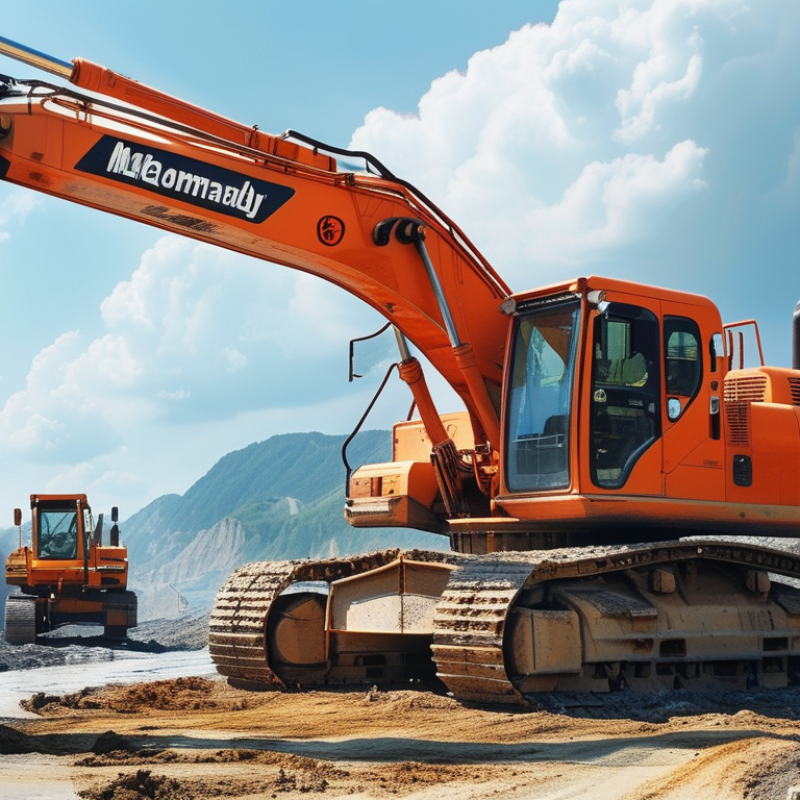
5 Reasons Why Hydraulic Maintenance is Crucial for Construction Equipment?

Importance of Hydraulic Systems in Construction Equipment

Hydraulic systems are the heart and soul of construction equipment. They provide power to numerous functions, enabling machines to lift, push, and carry heavy loads. Without a well-maintained hydraulic system, equipment performance diminishes significantly. Regular maintenance ensures that hydraulic fluids remain clean and at optimal levels, preventing wear and tear on essential components.

Tips: Check fluid levels weekly. This simple action can prevent major breakdowns. Look for leaks frequently; ignoring them can lead to costly repairs.

The complexity of hydraulic systems requires expertise. Minor mistakes during maintenance can lead to significant issues, such as equipment failure. Ensuring proper training for technicians is vital. Understanding the components of a hydraulic system guarantees better performance and longevity.

Tips: Keep a maintenance log. Documenting past service can highlight recurring issues. This habit helps identify patterns and promotes proactive solutions.

Common Hydraulic Failures and Their Impact on Operations

Hydraulic systems are vital for construction equipment. Common failures can severely impact operations. Reports suggest that around 30% of hydraulic failures stem from routine maintenance neglect. These failures often lead to downtime. The cost of lost productivity can reach thousands per hour.

One frequent issue is hydraulic fluid contamination. Dirt, water, and particles degrade fluid quality. This can cause pump and valve malfunctions. In fact, studies indicate that contamination contributes to nearly 70% of hydraulic system failures. When a key component fails, the entire project can stall.

Another prevalent failure is seal leakage. Aging seals comprise system efficiency. This not only wastes fluid but also reduces overall performance. The financial implications are significant. It is estimated that leaks can cost operators up to $30,000 annually. Addressing these issues requires regular inspection and maintenance to avoid unnecessary delays.

Preventive Maintenance Strategies for Hydraulic Systems

Preventive maintenance for hydraulic systems is essential in construction equipment. Regular checks can significantly extend the life of these systems. Small leaks, if not monitored, can lead to major failures. Consistent inspection is key to identifying potential issues before they escalate. This proactive approach helps in maintaining efficiency and can save substantial repair costs.

Hydraulic fluid must be kept clean and at optimal levels. Contaminated fluid can damage components and lead to system failures. Implementing a strict filtration routine is crucial. Also, checking seals and hoses regularly can prevent unplanned downtime. Teams should maintain a checklist for each piece of equipment. This encourages thorough inspections and accountability among workers.

Training is also a vital part of preventive strategies. Staff should understand common hydraulic issues and recognize warning signs. Regular workshops can enhance their skills and knowledge. Not every team has the resources for advanced diagnostics. Yet, basic knowledge can make a significant difference in maintenance practices. Striving for continuous improvement should be a team effort.

Cost Implications of Neglecting Hydraulic Maintenance

Hydraulic systems are vital for construction equipment. Neglecting their maintenance can lead to significant cost implications. A small hydraulic leak might seem minor, but it can escalate into severe damage. This results in costly repairs or replacements that could have been easily avoided.

Frequent maintenance helps identify issues early. Without regular checks, equipment breakdowns become more likely. When machinery is out of service, projects get delayed. These delays can lead to financial losses due to downtime.

Ignoring hydraulic maintenance also affects efficiency. Poorly maintained systems consume more energy. This translates to higher fuel costs. Over time, these expenses add up, impacting the bottom line. Proactive maintenance can save these costs and improve operational reliability.

5 Reasons Why Hydraulic Maintenance is Crucial for Construction Equipment

Reason Impact of Neglect Estimated Cost of Neglect
1. Equipment Downtime Unscheduled breakdowns leading to delays $5,000 - $20,000 per week
2. Increased Repair Costs Complex malfunctions require more extensive repairs $2,000 - $15,000 per incident
3. Safety Hazards Risk of accidents due to system failures $10,000 - $50,000 in liability claims
4. Reduced Efficiency Lower productivity due to equipment not performing optimally $1,000 - $5,000 in lost revenue per day
5. Shortened Equipment Lifespan Decreased asset value and higher replacement costs $25,000 - $100,000 for premature replacements

Enhancing Safety and Performance Through Regular Maintenance

Regular maintenance of hydraulic systems in construction equipment is essential for enhancing safety and performance. Proper upkeep reduces the risk of hydraulic failures, which can lead to accidents. A malfunction can cause heavy machinery to operate unexpectedly or even stop suddenly, endangering operators and nearby workers. Safety protocols improve when equipment is reliable, and operators feel more confident using well-maintained machines.

Incorporating routine checks can prevent costly breakdowns. Regular oil changes and filter replacements ensure that hydraulic fluids perform optimally. This consistent maintenance can extend the lifespan of hydraulic components, reducing the need for replacements. It’s important to track the condition of hoses and fittings, as wear and tear can often go unnoticed.

Ignoring maintenance can lead to bigger issues down the line. Operators might notice minor leaks but dismiss them. Over time, these leaks can escalate, resulting in significant damage. Managers may prioritize immediate tasks, but overlooking hydraulic system checks can compromise overall project safety and efficiency. Regular maintenance fosters a proactive approach, ultimately leading to a safer work environment.

5 Reasons Why Hydraulic Maintenance is Crucial for Construction Equipment

FAQS

: What causes common hydraulic system failures?

: Routine maintenance neglect accounts for around 30% of failures. This can result in significant operational downtime.

How does hydraulic fluid contamination affect operations?

Contamination can lead to pump and valve malfunctions. Nearly 70% of failures are caused by dirt and water in the fluid.

What are the financial implications of seal leakage?

Seal leakage can waste fluid and reduce performance. It is estimated that leaks can cost up to $30,000 annually.

How can preventive maintenance extend hydraulic system life?

Regular checks can identify small leaks before they escalate. Proactive maintenance helps maintain efficiency and reduces repair costs.

What should be included in a maintenance checklist?

The checklist should track inspections of seals, hoses, and fluid levels. This encourages accountability among workers.

Why is training important for maintenance staff?

Teams need to recognize common hydraulic issues. Regular training enhances knowledge and improves maintenance practices.

What risks are associated with ignoring hydraulic system maintenance?

Ignoring maintenance can lead to significant breakdowns. Minor leaks can worsen over time, compromising safety and efficiency.

How does regular maintenance enhance safety?

Well-maintained equipment operates reliably, reducing accident risks. Operators feel safer using machinery that has been consistently checked.

What should be monitored to prevent costly breakdowns?

Regular oil changes and filter replacements are essential. Keeping track of hoses and fittings is critical to avoid unnoticed wear.

How can teams strive for continuous improvement?

Encouraging a collaborative effort can lead to better maintenance practices. Adopting a proactive approach is essential for project success.

Conclusion

Hydraulic maintenance plays a vital role in ensuring the efficiency and longevity of construction equipment. One of the primary reasons why hydraulic maintenance is important for construction equipment is the critical function hydraulic systems serve in operating machinery. Common hydraulic failures, such as leaks and system overheating, can significantly disrupt operations, leading to costly downtime and repairs. Implementing preventive maintenance strategies, such as regular inspections and fluid changes, can mitigate these issues, ensuring equipment runs smoothly.

Neglecting hydraulic maintenance can have severe cost implications, as repairs resulting from overlooked issues can far exceed routine maintenance expenses. Additionally, regular maintenance enhances not only the safety of the equipment but also its overall performance, creating a more productive work environment. Investing in hydraulic maintenance is essential for the efficient and safe operation of construction equipment, protecting assets and minimizing operational risks.

Ethan

Ethan

Ethan is a seasoned marketing professional with a deep expertise in our company's innovative product line. With a passion for sharing knowledge and insights, he takes the lead in regularly updating our corporate blog, where he explores industry trends, product features, and effective marketing......