Why High Quality Materials Matter in Hydraulic Systems?

Time:2026-06-29 Author:Amelia
0%

In the realm of hydraulic systems, the choice of materials plays a critical role. According to Dr. Jane Thompson, a leading expert in hydraulic engineering, “High-quality materials ensure reliability and longevity in hydraulic systems.” This is particularly true in high-pressure environments where failures can lead to costly downtime and safety hazards.

Why are high quality materials important in hydraulic systems? The answer lies in their ability to withstand pressure and resist wear. Substandard materials can lead to leaks, inefficiencies, and even catastrophic failures. Consider the implications of using inferior seals or connectors. They can lead to fluid contamination or system malfunctions, which undermine operational efficiency.

Investing in quality materials is not just about cost; it’s about performance and safety. A poorly made component can fail prematurely, forcing organizations to rethink their material strategies. The impact extends beyond repair costs; it affects productivity and trust in the operation. Therefore, it’s essential to examine how material choices affect hydraulic system durability and efficiency.
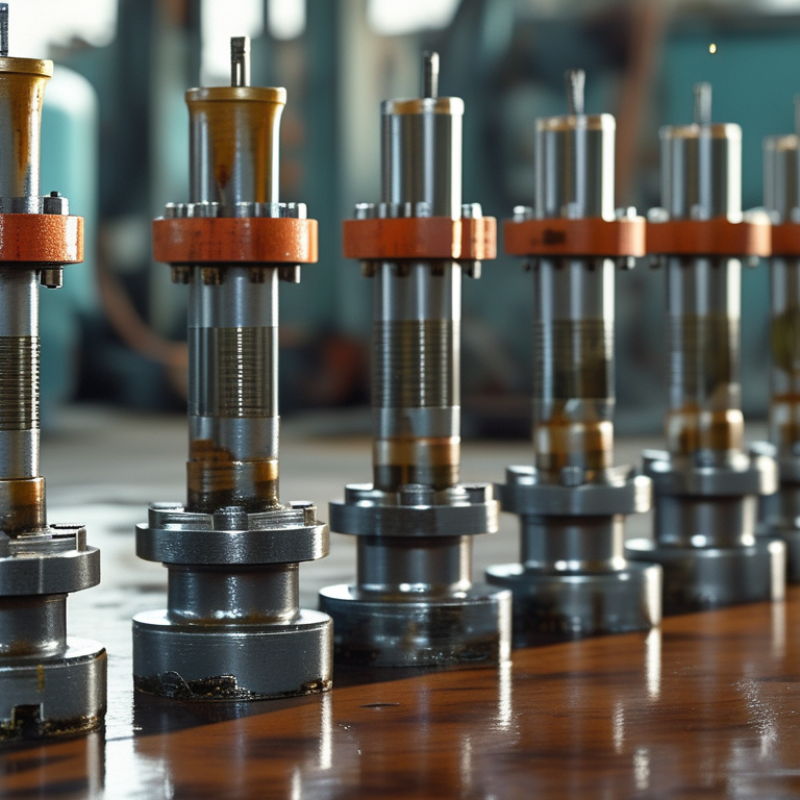
Why High Quality Materials Matter in Hydraulic Systems?

The Importance of Material Selection in Hydraulic Systems

Material selection in hydraulic systems is critical for ensuring efficiency and longevity. According to industry reports, up to 70% of hydraulic failures are attributed to material degradation. This degradation can stem from factors such as corrosion, fatigue, and wear. Each hydraulic system operates under specific conditions, making the choice of materials crucial. Materials must withstand high pressures and temperatures. For instance, stainless steel is often favored for its corrosion resistance, while composite materials can reduce weight and enhance performance.

The implications of poor material choice can be significant. A study showed that using subpar materials can lead to increased maintenance costs by up to 30%. Moreover, operational downtimes due to system failures can result in productivity losses. It pays to invest time in assessing material properties, such as tensile strength and impact resistance, tailored to specific hydraulic applications. Companies should engage with materials experts to make informed decisions. Not all materials perform well under extreme conditions, leading to potential failures. A thorough understanding of material characteristics is essential for optimized hydraulic system design.

Understanding the Role of Quality Materials in Performance

In hydraulic systems, the choice of materials plays a critical role in overall performance and durability. High-quality materials offer better resistance to wear, corrosion, and fatigue. For instance, a hydraulic pump made with superior alloys can significantly reduce the risk of premature failure. This is essential in environments with high pressure and temperatures, where inferior materials can quickly degrade.

The reliability of hydraulic components hinges on the materials used. Low-quality parts may seem cost-effective initially, but they often lead to costly breakdowns. Consider seals and hoses; they must withstand extreme conditions. A small defect can lead to leaks, which compromise efficiency and safety. Quality materials, while sometimes more expensive, provide peace of mind and long-term savings.

However, not all manufacturers prioritize material quality. Some may focus solely on price, sacrificing longevity and performance. This creates a dilemma for purchasers who must balance short-term costs with long-term reliability. Relying solely on brand reputation can be risky. Thorough research and understanding of material specifications are crucial. It’s a complex landscape that demands a closer look beyond the surface.

Impact of Material Durability on System Reliability

Material durability is a crucial factor in the reliability of hydraulic systems. According to a report by the Hydraulic Institute, nearly 30% of hydraulic system failures are attributed to material degradation. Choosing high-quality materials can significantly reduce the likelihood of failures. For instance, certain alloys resist corrosion better than others, extending system lifespan.

Durability impacts operational efficiency. A study from the American Society of Mechanical Engineers found that systems using lower-grade materials showed a 20% higher rate of maintenance needs. This increased downtime can cost companies significantly. In sectors like construction and agriculture, where equipment reliability is vital, such failures can directly affect productivity.

The choice of material also influences safety. In extreme conditions, subpar materials may fail unexpectedly, leading to dangerous situations. Data indicates that incidents related to hydraulic failures have increased by 15% over the past decade. This highlights the need for careful material selection. Companies must reflect on their material choices to ensure longevity and safety in hydraulic applications. Failure to do so may invite avoidable risks.

Cost Implications of Using High-Quality Materials

In hydraulic systems, high-quality materials play a crucial role in performance and longevity. The cost implications of using superior materials can be significant, influencing not only budgeting but also operational efficiency. According to a report by the Fluid Power Society, investing in high-grade materials can yield up to 20% savings in maintenance costs over time. This statistic highlights that while the upfront cost of premium materials might be higher, the long-term savings are substantial.

Using inferior materials often leads to frequent failures and system downtimes. A 2020 study found that 30% of hydraulic system failures were linked to material defects. When systems fail, repair costs and lost productivity can add up quickly, overshadowing initial savings. Moreover, lower-quality materials can compromise safety, leading to catastrophic failures in extreme conditions.

Tip: Always assess the total cost of ownership. This includes maintenance, repair, and potential downtime costs associated with cheaper materials.

Investing in high-quality components may seem expensive at first. However, the benefits often outweigh the initial costs. Choose suppliers who adhere to industry standards to ensure reliability. Researching and selecting materials based on performance metrics can enhance system efficiency and reduce long-term expenses.

Tip: Keep an eye on performance data. Regular monitoring can help identify material-related issues before they escalate.

Why High Quality Materials Matter in Hydraulic Systems? - Cost Implications of Using High-Quality Materials

Material Type Cost per Unit ($) Durability (Years) Maintenance Frequency (Years) Failure Rate (%)
High-Quality Steel 250 15 5 2
Stainless Steel 300 20 7 1
Aluminum 180 10 3 5
Plastic Composite 150 8 2 10
Titanium 500 25 10 0.5

Innovations in Hydraulic Materials and Their Benefits

Innovations in hydraulic materials have transformed the performance and reliability of hydraulic systems. Advanced composite materials and high-strength alloys are now common. These materials offer reduced weight and enhanced durability, which are critical in demanding applications. For instance, lightweight materials can improve efficiency by reducing energy consumption. This shift paves the way for more sustainable hydraulic machinery.

Furthermore, improved resistance to corrosion and extreme temperatures is a game-changer. These innovations lead to longer lifespans for components. However, finding the right balance between cost and performance remains a challenge. While premium materials may provide superior benefits, they can also increase project budgets significantly. It's essential to assess whether the long-term gains justify the initial expenditure.

Manufacturers face the task of integrating these materials effectively into existing designs. Not all innovations fit seamlessly into established systems. Engineers must consider compatibility and maintenance needs. This requires a deep understanding of both the materials and the intended application. Careful evaluation can lead to more robust and efficient hydraulic systems.

FAQS

: Why is using high-quality materials important in hydraulic systems?

: High-quality materials enhance performance and longevity. They can significantly reduce maintenance costs over time.

What are the risks of using inferior materials?

Inferior materials often lead to frequent failures and system downtimes. They can compromise safety and functionality.

How much can investing in premium materials save on maintenance?

Studies suggest up to 20% savings in maintenance costs over time with high-grade materials.

What should I consider in total cost of ownership?

Total cost includes maintenance, repair costs, and potential downtimes associated with cheaper materials.

Are innovations in hydraulic materials beneficial?

Yes, innovations like advanced composites offer reduced weight and enhanced durability, improving overall efficiency.

How do corrosion-resistant materials affect hydraulic systems?

They increase component lifespan and reliability, especially under extreme conditions.

What challenges do manufacturers face with new materials?

Integrating new materials into existing designs requires careful compatibility and maintenance evaluations.

How can performance data help in material selection?

Regular monitoring of performance data can identify material issues before they lead to system failures.

Should I prioritize cost or performance when selecting materials?

It's essential to balance cost and performance. Long-term gains should justify initial expenditures.

Can all innovations fit existing hydraulic systems easily?

Not all innovations integrate smoothly. Engineers must assess material compatibility with established designs.

Conclusion

High quality materials are crucial in hydraulic systems for several reasons. First and foremost, the selection of materials directly impacts the performance and efficiency of these systems. High-quality materials ensure optimal fluid dynamics, reduce wear and tear, and enhance overall system functionality. Additionally, the durability of materials plays a significant role in system reliability. Components made from superior materials can withstand extreme pressures and environmental conditions, resulting in fewer breakdowns and prolonged service life.

Moreover, while high-quality materials may involve a higher initial investment, the long-term cost implications are often favorable. Reduced maintenance expenses and increased operational efficiency can offset the initial costs. Innovations in hydraulic materials, such as advanced composites and corrosion-resistant alloys, further enhance performance and reliability. Therefore, understanding why high quality materials are important in hydraulic systems is essential for achieving optimal results and sustainability in hydraulic applications.

Amelia

Amelia

Amelia is a seasoned marketing professional with a wealth of expertise in our company’s core offerings. With an unwavering passion for driving growth and innovation, she plays a pivotal role in shaping our marketing strategies and enhancing brand visibility. A key aspect of her responsibilities......