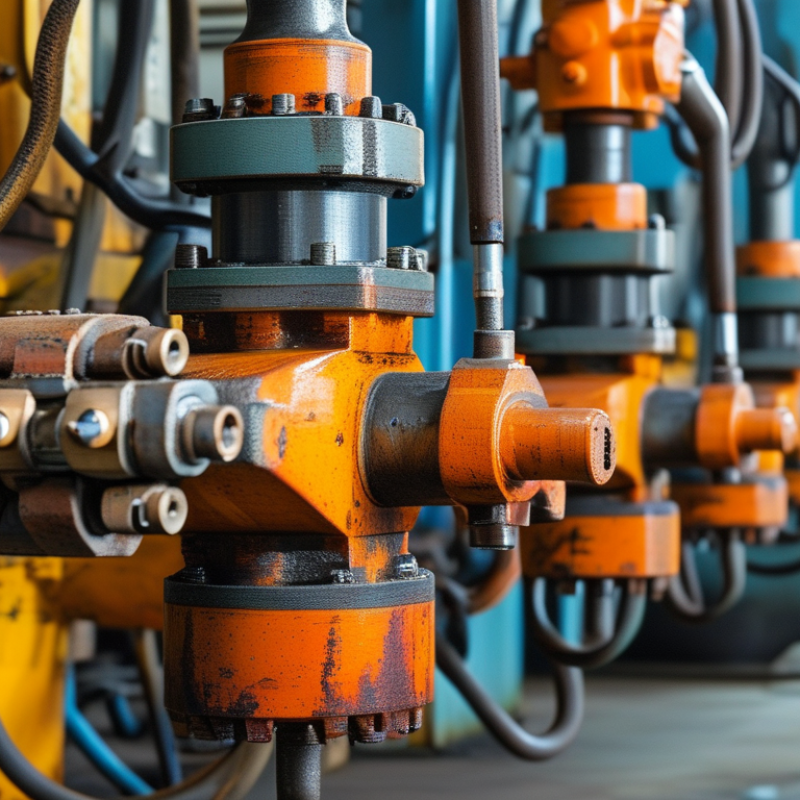
How to Extend the Lifespan of Hydraulic Components Effectively?

Time:2026-04-29 Author:Sophia
0%

In the world of hydraulic systems, extending the lifespan of components is crucial for efficiency. John Smith, a renowned hydraulic engineer, emphasizes, "Regular maintenance is key to longevity." This insight captures the essence of maintaining hydraulic components to prevent costly failures.

To extend the lifespan of hydraulic components effectively, users must consider both routine checks and environmental factors. Contaminants, heat, and pressure fluctuations all play significant roles in wear and tear. Regular fluid analysis can help identify potential issues before they escalate.

Moreover, training personnel to recognize early signs of deterioration can enhance a system's reliability. Users often underestimate the importance of proper installation and alignment, leading to premature wear. Addressing these factors can make a considerable difference and significantly increase the lifespan of hydraulic components.

How to Extend the Lifespan of Hydraulic Components Effectively?

Understanding Hydraulic Components and Their Functions

Hydraulic components play a crucial role in various industries. They are essential for converting fluid power into mechanical energy. Understanding their functionality is the key to ensuring their longevity. Components like pumps, valves, and cylinders work in tandem to create efficient hydraulic systems. Each component must be maintained correctly to function optimally.

Pumps are the heart of a hydraulic system. They circulate fluid, generating pressure. Valves control this pressure and allow fluid to flow. Without precise control, systems can fail. Cylinders convert hydraulic energy into linear motion. They face wear and tear due to constant use. Over time, seals can degrade, leading to leaks.

Proper maintenance is critical for these components. Regular inspections can identify early signs of wear. Fluid cleanliness is vital to prevent contamination. Contaminants can cause damage and reduce efficiency. Ignoring these factors may lead to expensive repairs and downtime. Thus, understanding hydraulic components is not just about knowing their functions. It's also about taking proactive steps for their care. A deeper comprehension of the system dynamics can inform better practices and decisions.

Common Factors Affecting the Lifespan of Hydraulic Components

Hydraulic components play a vital role in machinery. Their lifespan can be significantly impacted by various factors. One major influence is the quality of hydraulic fluids. Contaminated fluid can cause wear and reduce the efficiency of components. Regularly checking fluid cleanliness is essential. Even minor particulates can lead to major issues over time. This often goes unnoticed until it’s too late.

Another key factor is temperature. Hydraulic systems operate best within a specific temperature range. High temperatures can degrade hydraulic fluid, accelerating wear. Conversely, low temperatures can cause fluid thickening, affecting flow. Proper cooling systems must be in place to manage these extremes. Yet, many overlook routine maintenance, which can lead to unexpected breakdowns.

Finally, the design of the hydraulic system itself affects longevity. Poorly designed systems may lead to excessive stress on components. This can cause premature failure. Regular assessments and updates to system design can mitigate this risk. However, some operators might resist changes, clinging to outdated practices. Reflecting on these aspects can significantly enhance the durability of hydraulic systems.

Factors Affecting the Lifespan of Hydraulic Components

Preventive Maintenance Practices for Hydraulic Systems

Preventive maintenance is crucial for hydraulic systems. Regularly checking fluid levels can prevent costly failures. According to industry studies, up to 80% of hydraulic component failures are linked to poor maintenance practices. Fluid contamination is a primary concern. Keeping fluids clean enhances performance and prolongs lifespan.

Inspecting seals and hoses is essential. Worn or damaged components can lead to leaks and reduced efficiency. The Society of Automotive Engineers (SAE) recommends replacing hydraulic hoses every five years, regardless of their condition. This proactive approach minimizes unexpected downtime and supports operational efficiency.

Routine monitoring of system temperature also plays a vital role. Excessive heat can cause fluid degradation and component wear. Studies show that operating temperatures above 60°C can halve the lifespan of hydraulic oil. Implementing temperature sensors is a simple way to track and manage system health. Developing a comprehensive maintenance schedule is not just a choice; it's a necessity for longevity and performance improvement.

Selecting Quality Hydraulic Fluids and Components

Choosing the right hydraulic fluids and components is crucial for extending the lifespan of hydraulic systems. Quality fluids ensure better lubrication and heat removal. They can reduce wear and improve efficiency over time. It's important to consider both viscosity and additive packages when selecting hydraulic oils. These factors influence system performance and component longevity.


Quality hydraulic components also play a vital role. Durable seals and fittings can withstand high pressure and temperature variations. You should evaluate the materials used in manufacturing. Sometimes, cheaper options might not provide the needed reliability. Investing in robust components can save costs on repairs and replacements in the long run.


Maintenance practices cannot be overlooked either. Regularly check fluid levels and replace them according to the manufacturer’s guidelines. Contaminants can degrade performance over time. Be aware that neglecting maintenance can lead to failures that far exceed the initial savings. Finding the right balance between cost and quality is essential for optimal performance.

Monitoring and Diagnosing Hydraulic System Performance

Monitoring the performance of hydraulic systems is crucial for extending the lifespan of hydraulic components. Regular diagnostics can identify inefficiencies, leaks, and potential failures. According to a report by the International Fluid Power Society, up to 80% of hydraulic failures are related to improper maintenance and lack of monitoring. Implementing routine inspections allows technicians to catch issues early and avoid costly downtime.

Using advanced sensors and monitoring tools can greatly enhance system diagnostics. Real-time data on pressure, temperature, and flow rates can provide insights into system health. For example, a slight drop in pressure may indicate wear or blockages. Ignoring these signs can lead to more severe problems. Studies show that systems with active monitoring have a 30% longer lifespan than those without regular assessments.

However, many operators still overlook these practices, often due to budget constraints or lack of resources. It's essential to rethink these priorities. Investing in monitoring technology can yield significant savings in the long run. For instance, the average cost of unplanned downtime in hydraulic systems can exceed $100,000 per incident. Therefore, the cost of proactive maintenance should be weighed against potential losses.

FAQS

: What are hydraulic components?

: Hydraulic components convert fluid power into mechanical energy. They include pumps, valves, and cylinders.

Why is maintenance important for hydraulic systems?

Maintenance prevents failures and extends the lifespan of components. Regular checks can identify early signs of wear.

What role do pumps play in hydraulic systems?

Pumps circulate fluid and generate pressure. They are critical for a system's efficiency and function.

How often should hydraulic hoses be replaced?

It’s recommended to replace hydraulic hoses every five years, regardless of their condition.

What can excessive heat do to hydraulic systems?

High temperatures can degrade fluids and wear components. Operating above 60°C halves the lifespan of hydraulic oil.

How can operators monitor system performance effectively?

Using sensors for pressure, temperature, and flow can provide insights. Real-time data helps identify potential issues early.

What happens if fluid cleanliness is ignored?

Contaminated fluids can damage components and reduce system efficiency. Clean fluids are essential for performance.

Why do many operators neglect monitoring practices?

Budget constraints and lack of resources often lead to overlooked monitoring. This can result in costly downtime.

How does regular monitoring affect hydraulic system lifespan?

Systems with active monitoring can last 30% longer. Early issue detection is key to avoiding severe problems.

What is the cost of not maintaining hydraulic systems?

Unplanned downtime can cost over $100,000. Proactive maintenance is often cheaper than facing these losses.

Conclusion

To effectively understand how to extend the lifespan of hydraulic components, it is essential to first grasp their roles and functions within hydraulic systems. Various factors, such as temperature fluctuations, contamination, and wear, can significantly impact the longevity of these components. Implementing preventive maintenance practices, including regular inspections and timely repairs, is crucial to mitigate these risks.

Moreover, selecting high-quality hydraulic fluids and components plays a pivotal role in enhancing performance and durability. Continuous monitoring and diagnosing of hydraulic system performance allow for early detection of issues, facilitating proactive measures to prevent major failures. By adhering to these guidelines, one can significantly improve the lifespan of hydraulic components, ensuring optimal functionality in demanding applications.

Sophia

Sophia

Sophia is a dedicated marketing professional with an exceptional depth of knowledge about her company's products and services. With a keen understanding of market trends and customer needs, she crafts insightful blog posts that not only inform but also engage readers, enriching the company’s online......