Critical Components in Hydraulic Systems for Global Buyers?

Time:2026-06-04 Author:Isabella
0%

In the realm of hydraulic systems, understanding which components are critical in hydraulic systems is fundamental for global buyers. These components determine the efficiency, reliability, and overall performance of hydraulic machinery. Buyers must recognize that not all parts are created equal; some significantly impact system functionality.

Essential components include hydraulic pumps, valves, and cylinders. Hydraulic pumps convert mechanical power into hydraulic energy. Valves control the flow and pressure, ensuring optimal operation. Cylinders execute the work, transforming hydraulic energy back into mechanical force. A malfunction in any of these parts can disrupt operations and increase costs.

Moreover, the choice of materials and design directly affects system durability and maintenance needs. Buyers might overlook compatibility and environmental factors, leading to potential failures. In the pursuit of efficiency, it is crucial to reflect on these elements while making purchasing decisions. Understanding these critical components can empower buyers to make informed decisions in the global marketplace.
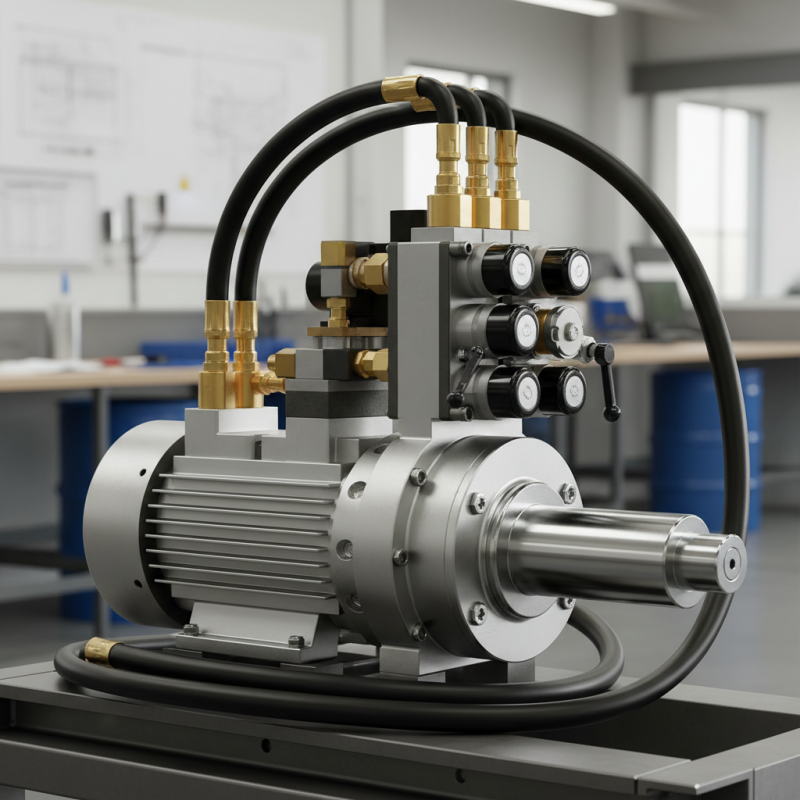
Critical Components in Hydraulic Systems for Global Buyers?

Key Elements of Hydraulic Systems Explained

Hydraulic systems are vital components across industries, driving machinery and equipment. Understanding their key elements is crucial for global buyers. Central to these systems are hydraulic pumps, which convert mechanical energy into hydraulic energy. According to recent industry reports, over 40% of hydraulic system failures stem from pump issues. This emphasizes the need for quality components.

Another essential element is the hydraulic actuator. Actuators convert hydraulic energy back into mechanical energy, facilitating movement. Research indicates that over half of hydraulic system efficiency is determined by actuator performance. Choosing high-quality actuators can significantly enhance system durability and productivity.

Tips: Always check the material specifications for hydraulic hoses. Durability can be compromised if the wrong material is selected. Investing in comprehensive training for operators can minimize the risk of system failures. Regular maintenance also plays a key role in prolonging the life of hydraulic systems, addressing issues before they escalate.

Critical Components in Hydraulic Systems

This chart illustrates the importance level of various critical components in hydraulic systems. Pumps and Cylinders are rated the highest due to their essential functions in generating and converting hydraulic energy, respectively.

Types of Hydraulic Components and Their Functions

Hydraulic systems rely on key components to function effectively. Understanding these components is crucial for global buyers. The main parts include hydraulic pumps, cylinders, and valves. Each has distinct roles, making them integral to the system.

Hydraulic pumps convert mechanical energy into hydraulic energy. They create fluid flow essential for operation. Without a reliable pump, the entire system can stall. Hydraulic cylinders, on the other hand, convert hydraulic energy back into mechanical energy. They provide the force needed for various tasks, from lifting to pushing. Valves control the flow of fluid, directing it where needed. Their proper function is key to the efficiency of the system.

Choosing the right components is not always straightforward. Compatibility is an issue. A mismatch can lead to failures or inefficiencies. Quality also varies among manufacturers. Buyers must evaluate suppliers thoroughly. It's essential to understand each component's role and potential pitfalls. This holistic view ensures a well-functioning hydraulic system. A careful selection process can save time, costs, and frustration in the long run.

Importance of Quality and Standards in Hydraulic Systems

Quality and standards play a crucial role in hydraulic systems. These systems are essential for various industries, including construction, agriculture, and manufacturing. High-quality components ensure efficient operation and reduce the risk of failure. Poor quality can lead to malfunctions and costly downtime. Buyers must prioritize suppliers who adhere to international standards.

The importance of certification cannot be overstated. Certifications demonstrate that components meet specific safety and performance criteria. They provide buyers with confidence and assurance. However, not all suppliers may comply fully with these standards. It's vital for buyers to conduct thorough research and verify the credibility of suppliers. This can be a challenging task, as some providers may present misleading information.

Regular audits and assessments are beneficial for maintaining quality. These practices help identify weaknesses in the supply chain. Open communication between buyers and suppliers fosters trust. It also allows for continuous improvement. Yet, many buyers overlook this aspect, focusing solely on cost. This mindset can jeopardize long-term success. Quality should always come first; the costs of failure are often higher than initial savings.

Considerations for Global Buyers in Hydraulic Selection

When selecting hydraulic systems, global buyers face unique challenges. The need for reliable performance is paramount. Many buyers overlook the importance of compatibility between components. An incompatible part can lead to increased downtime and maintenance costs. Conducting thorough research is essential. Evaluate the specifications and performance ratings of various hydraulic components.

Another critical consideration is material quality. Hydraulic systems endure harsh environments. Components must resist corrosion and wear. Buyers should inquire about material certifications. This ensures reliability during operation. However, sourcing high-quality materials can be complex. Not all suppliers maintain consistent standards.

Finally, customer support deserves attention. Effective communication with suppliers facilitates problem resolution. Buyers should seek suppliers offering technical assistance. A responsive supplier can provide invaluable help when issues arise. However, not all suppliers deliver the expected level of service. Real-world experiences often highlight these discrepancies. Prioritize thorough evaluation of potential suppliers.

Maintenance and Troubleshooting of Hydraulic Systems

Hydraulic systems are vital in various industrial applications. Proper maintenance is crucial to ensuring their reliability and longevity. Regular visual inspections are essential. Check for leaks, unusual noises, and temperature changes. These signs may indicate deeper issues.

Routine fluid checks can prevent problems. Keep hydraulic fluid clean and at the appropriate level. Contaminated fluid can lead to component failure. Replace the filters periodically to maintain system health. Hydraulic systems are sensitive to dirt and debris.

Tips: Keep a maintenance log. Record every inspection and repair. This helps in identifying recurring issues. Use proper safety equipment during maintenance. Ensure all energy sources are safely shut off. Always be prepared for unexpected challenges. Familiarize yourself with the system’s specific requirements. Identifying the signs early can make a significant difference.

FAQS

: What are the main components of hydraulic systems?

: The main components include hydraulic pumps, cylinders, and valves. Each part has a distinct role in the system.

What is the function of hydraulic pumps?

Hydraulic pumps convert mechanical energy into hydraulic energy. They create necessary fluid flow for system operation.

Why is component compatibility important?

Incompatibility can lead to failures and inefficiencies. Buyers should ensure all parts work well together.

How can material quality affect hydraulic systems?

Quality materials resist corrosion and wear, crucial in harsh environments. Poor materials can lead to early failures.

Why is customer support important for suppliers?

Reliable customer support helps resolve issues quickly. Effective communication can save time and reduce frustration.

What maintenance practices should be followed?

Regularly check for leaks, noises, and temperature changes. These signs can indicate underlying problems.

How can fluid quality impact hydraulic systems?

Contaminated hydraulic fluid can cause component failure. Keeping fluid clean is essential to the system's health.

What is a good tip for tracking hydraulic system maintenance?

Keep a maintenance log to record inspections and repairs. This helps identify recurring issues over time.

What precautions should be taken during maintenance?

Always use proper safety equipment and shut off all energy sources. Be prepared for unexpected challenges.

What should buyers do before selecting suppliers?

Thoroughly evaluate supplier capabilities and performance ratings. Not all suppliers meet consistent quality standards.

Conclusion

Hydraulic systems are vital in various industrial applications, and understanding which components are critical in hydraulic systems is essential for global buyers. The key elements include pumps, valves, actuators, and filters, each serving specific functions that ensure the system operates efficiently. Quality and adherence to industry standards are crucial, as they impact performance and longevity, making careful selection paramount.

When considering hydraulic components, global buyers must assess factors such as compatibility, maintenance requirements, and available support services. Additionally, effective maintenance practices and troubleshooting techniques are vital for the longevity of hydraulic systems. By focusing on these key elements and understanding the importance of high-quality components, buyers can make informed decisions that enhance operational efficiency and reliability in their hydraulic applications.

Isabella

Isabella

Isabella is a dedicated marketing professional with a sharp focus on driving brand growth and engagement through strategic content creation. With an extensive background in digital marketing, she combines her passion for storytelling with her keen understanding of industry trends to deliver......