Choosing a hydraulic system for your machinery is crucial for optimal performance. Understanding how to choose the right hydraulic system for machinery involves several key factors. It's not just about raw power; efficiency and reliability are equally important.
Start by identifying the specific needs of your machinery. Match the hydraulic system's capabilities with your operational requirements. Consider factors like pressure, flow rate, and control features. It's essential to analyze these aspects to avoid potential inefficiencies.
Also, think about maintenance and support. A trusted supplier can provide valuable insights and assistance. Their expertise can guide you in making the right choice, reducing downtime later. Reflecting on your choices is vital. Sometimes, the perfect system may not be the most expensive or complex one.
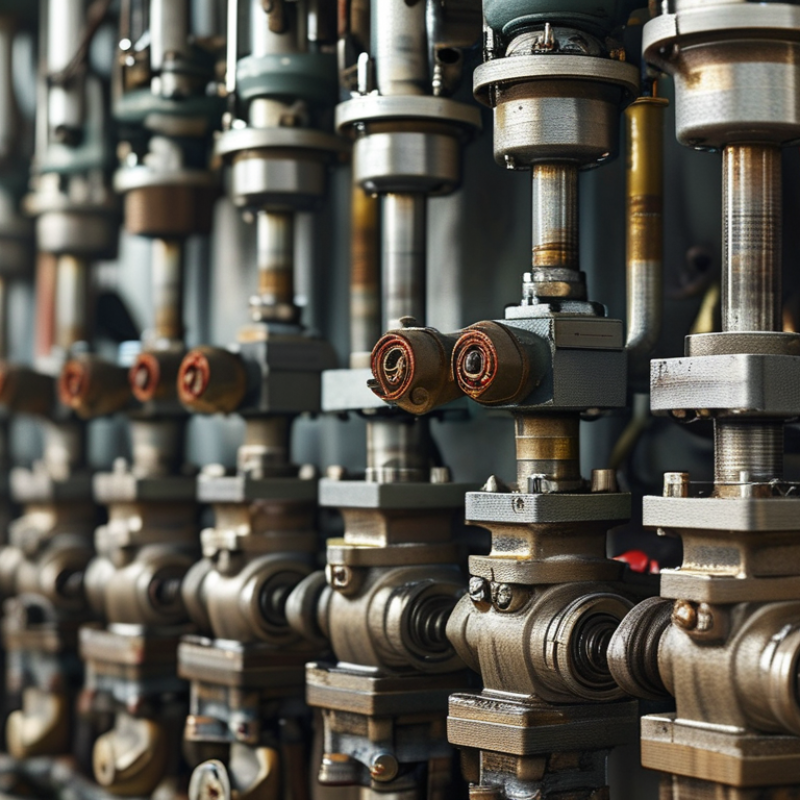
Hydraulic systems power various machinery, making them essential in diverse industries. Understanding their basic components is crucial. A hydraulic system typically includes a pump, reservoir, valves, and actuators. Each part plays a vital role in delivering efficiency and performance.
Selecting the right components requires careful consideration. For instance, pumps should match the required flow rate and pressure. Ensure the reservoir is adequately sized to prevent overheating and contamination. Valves, whether directional or pressure-relief, must suit your specific operational needs.
Tips: Always consult with an expert when unsure about specifications. Regular maintenance is key to longevity. Frequent checks can prevent costly repairs. Lastly, consider the environmental conditions where the machinery will operate. Temperature and humidity can significantly affect system performance.
When evaluating machinery requirements for optimal hydraulic performance, consider several crucial factors. First, analyze the specific tasks your machinery will perform. High torque applications demand a different hydraulic system than those meant for lifting. Precision in task evaluation can lead to better functionality.
Next, assess the environmental conditions in which the machinery operates. Temperature fluctuations and exposure to moisture can affect hydraulic fluid viscosity and system efficiency. Many times, this consideration is overlooked but can significantly impact performance. Ensure the hydraulic system can withstand these conditions.
Moreover, think about the future needs of your machinery. Are there plans for expansion or increased workload? A system tailored only for current requirements might become inadequate. Therefore, flexibility and adaptability are essential in hydraulic system selection. Every decision and oversight can influence overall performance and reliability. This calls for careful reflection on your choices. Keeping these aspects in mind will lead to a more effective hydraulic system.
Choosing the right hydraulic pump for your machinery is essential for efficiency and performance. Different types of hydraulic pumps, such as gear pumps, vane pumps, and piston pumps, each have unique characteristics and efficiency ratings. According to the Hydraulic Institute, gear pumps are typically efficient, reaching around 80-90% under optimal conditions. However, they may struggle under high-pressure applications. In contrast, piston pumps can deliver 95% efficiency, making them ideal for demanding environments.
Tip: Assess your machinery's specific requirements before selecting a pump. Consider pressure ratings and flow requirements. Efficiency can vary significantly based on system design and application.
Piston pumps might be overkill for lighter applications. Their complexity can lead to higher maintenance needs. Vane pumps offer a good middle ground, providing reasonable efficiency at lower costs. However, they may wear out faster in abrasive environments. Understanding these nuances is vital to avoid costly missteps.
Tip: Regularly review your hydraulic system for performance. A pump’s efficiency can degrade over time due to wear and contamination. Timely maintenance is crucial to maintain overall productivity.
| Pump Type | Flow Rate (L/min) | Pressure Rating (bar) | Efficiency (%) | Weight (kg) |
|---|---|---|---|---|
| Gear Pump | 40 | 200 | 85 | 10 |
| Vane Pump | 30 | 160 | 88 | 12 |
| Piston Pump | 60 | 250 | 92 | 15 |
| Axial Piston Pump | 50 | 220 | 90 | 14 |
| Diaphragm Pump | 20 | 100 | 80 | 8 |
Choosing the right hydraulic fluid is crucial for machinery health. The right fluid ensures efficient operation and extends component life. The selection process should consider various environmental factors, such as temperature and humidity. These elements can influence fluid performance.
Viscosity is another significant factor. The fluid must maintain suitable thickness under operating conditions. This affects the system's ability to transmit power efficiently. Poor viscosity can lead to sluggish performance. Users often overlook the importance of fluid cleanliness. Contaminants can cause wear and reduce the system's longevity. Regular fluid analysis can help identify impurities.
Compatibility with materials is also vital. Not all fluids are suitable for every component. Using the wrong fluid could lead to leaks or failure. Take the time to match materials with fluid properties. This attention to detail can prevent costly repairs. A thorough understanding of different hydraulic fluids improves equipment reliability. Reflecting on these factors can help in making better choices for machinery.
When selecting a hydraulic system, maintenance is often overlooked. Evaluating system maintenance needs is crucial for operational reliability. Regular maintenance can prevent unexpected downtimes, which can be costly. Establish a routine inspection schedule. Monitor fluid levels, and check for leaks. These small tasks can lead to significant savings.
Consider the environment where your machinery operates. Harsh conditions can increase wear and tear. This may require more frequent maintenance. Replacement parts might be needed sooner than expected. Keep a log of maintenance activities. This record can highlight patterns over time. Recognize when a system shows signs of fatigue. Acknowledging these signals can help pinpoint possible failures.
Training staff is vital. Often, maintenance tasks are viewed as burdensome. Creating a culture of proactive maintenance can change this perception. Encourage staff to report issues promptly. Invest in their knowledge. They are your first line of defense in identifying problems. Maintaining a hydraulic system is not just about fixing issues; it's about anticipating them.
: A hydraulic system includes a pump, reservoir, valves, and actuators. Each component is essential for performance.
Choose pumps based on flow rate and pressure. Ensure the reservoir prevents overheating. Match valves to operational needs.
Regular maintenance prevents costly downtimes. Small tasks like fluid checks can save time and money in the long run.
Temperature and moisture can change fluid viscosity. These factors impact system efficiency and are often overlooked.
Plan for potential workload increases. A system designed for current tasks may not handle future demands.
Train staff on maintenance tasks. Encourage them to report issues early. This aids in anticipating problems before they escalate.
Regular fluid level checks and leak inspections are crucial. Keeping a maintenance log helps identify recurring issues.
Maintenance frequency depends on environmental conditions. Harsh settings may require inspections more often.
Look for unusual noises, leaks, or inconsistent performance. Recognizing these signs can prevent severe failures.
Establish a routine inspection schedule. Invest in understanding maintenance needs and adapt practices to suit the environment.
Choosing the right hydraulic system for machinery is crucial for optimal performance and longevity. First, it's important to understand the basics of hydraulic systems and their components, as this knowledge lays the foundation for assessing your specific machinery requirements. Evaluating these requirements allows you to determine which hydraulic system will meet the performance expectations of your equipment.
Additionally, comparing different types of hydraulic pumps and their efficiency ratings is essential, as it impacts the overall productivity of your machinery. Selecting the appropriate hydraulic fluids can maximize the system's durability and performance, while regular maintenance practices will ensure ongoing reliability and efficiency. By considering these key factors, you can effectively learn how to choose the right hydraulic system for machinery, ensuring a long-lasting and efficient operation.

Aksurion Hydraulic