Hydraulic systems play a vital role in various industrial applications. However, overheating remains a common and damaging issue. Understanding what causes hydraulic system overheating is crucial for maintenance professionals and operators. This problem can lead to decreased efficiency and costly repairs. Factors such as fluid contamination, inadequate cooling, and excessive load can contribute to such overheating.
Fluid degradation is often an overlooked cause. Contaminants can alter the fluid's properties, leading to inefficient heat dissipation. Insufficient cooling systems may struggle to manage heat effectively. Furthermore, operating under heavy loads for extended periods can exacerbate this issue. This multi-faceted problem often requires a comprehensive approach to identify the root cause and implement effective solutions.
Addressing hydraulic system overheating is essential for optimal performance and longevity. By understanding and mitigating these causes, operators can enhance reliability and reduce downtime. A proactive approach often proves more beneficial than reactive measures after a failure occurs. Engaging in regular maintenance and monitoring practices can prevent many of these situations.
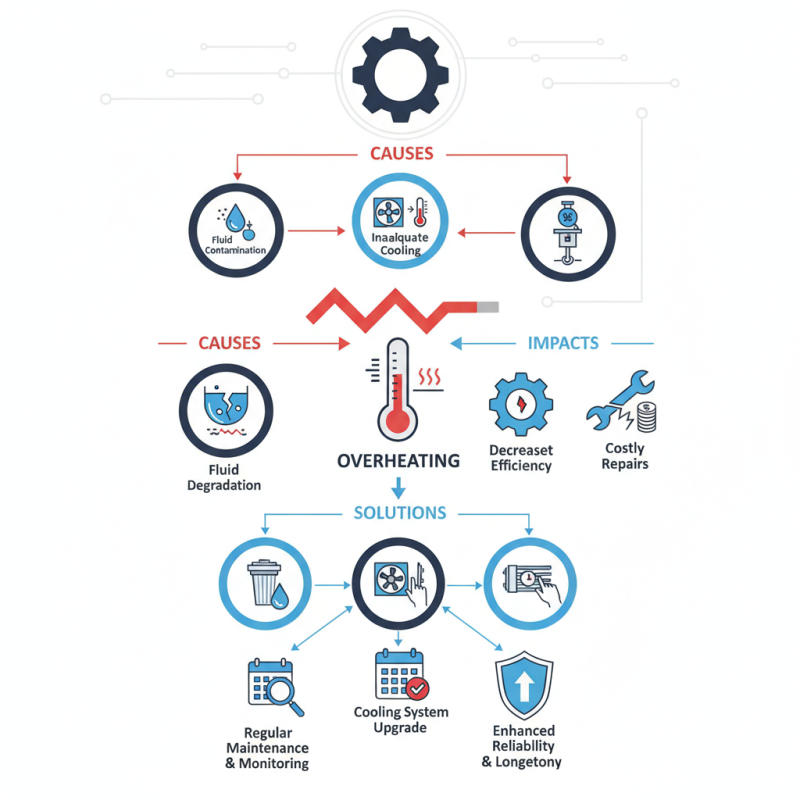
Hydraulic system overheating can lead to severe operational issues. One significant cause is fluid contamination. According to industry reports, about 70% of hydraulic failures result from dirty fluids. Contaminants can hinder the fluid's ability to cool systems, causing overheating. Another critical factor is the hydraulic fluid's viscosity. Fluids with inappropriate viscosity levels can fail to flow properly, resulting in increased friction and heat.
Insufficient cooling is another primary culprit. Research indicates that many hydraulic systems operate without adequate cooling solutions. This lack can cause temperatures to escalate, leading to equipment stress and failure. Additionally, overloading the system can place excessive demands on the hydraulic components. When equipment operates beyond its rated capacity, it generates more heat than necessary. It's clear these issues contribute significantly to system inefficiencies.
Regular maintenance is vital in addressing these overheating issues. Monitoring fluid quality and viscosity can help maintain optimal operating conditions. Implementing effective cooling solutions is also critical. However, many systems still overlook these preventive measures. Understanding causes is essential in finding effective solutions for hydraulic system health.
| Cause | Description | Solution |
|---|---|---|
| Poor Fluid Quality | Contaminated or degraded hydraulic fluid can lead to overheating. | Regularly change the hydraulic fluid and use high-quality filters. |
| Excessive Load | Running the hydraulic system beyond its rated capacity generates excess heat. | Monitor load levels and ensure they remain within recommended limits. |
| Insufficient Cooling | A lack of proper cooling mechanisms (like coolers) can cause fluid to overheat. | Install or upgrade hydraulic coolers and ensure proper airflow. |
| Aging Components | Worn-out components can create friction, leading to increased heat generation. | Inspect and replace aged and damaged parts regularly. |
| Blocked Filters | Dirty or clogged filters restrict fluid flow and contribute to overheating. | Check and clean or replace filters at scheduled maintenance intervals. |
| Pump Malfunction | A malfunctioning pump can result in inadequate fluid circulation and overheating. | Conduct regular pump maintenance and replace failing pumps promptly. |
: Exceeding 180°F reduces oil viscosity, leading to lubrication issues and increased wear on components.
Overheating can shorten the lifespan of pumps and valves, causing premature failures.
Higher fluid temperatures, erratic machine behavior, and unusual smells indicate possible overheating.
Regular monitoring helps identify overheating risks, leading to timely preventive measures and reduced downtime.
Contaminated fluid can worsen overheating, so maintaining cleanliness is crucial for system performance.
Regularly monitor temperatures, maintain fluid levels, and ensure proper functioning of cooling components.
Trained operators can detect issues early, decreasing failure rates and improving overall operation.
Ignoring signs can result in costly repairs, safety hazards, and decreased productivity.
Just a 10°F increase can halve oil life, emphasizing the importance of temperature control.
Yes, overheating can lead to failures that jeopardize safety and halt operations.
Hydraulic system overheating can significantly impact performance and lead to premature wear of components. Understanding what causes hydraulic system overheating is crucial for maintaining efficiency and longevity. Key factors include excessive system pressure, insufficient fluid levels, and inadequate cooling. The effects of overheating can manifest as reduced system responsiveness and damage to pumps and motors.
Common indicators of overheating include unusual noises, increased fluid temperature, and frequent system shutdowns. To prevent these issues, regular maintenance, proper fluid levels, and the installation of temperature monitoring systems are essential. Should overheating occur, solutions such as enhancing cooling systems, flushing contaminated fluids, and promptly addressing leaks can be implemented to restore optimal functionality.

 Aksurion Hydraulic