Construction equipment depends on hydraulic power to lift, steer, dig, and move heavy loads. When a loader’s boom rises slowly or an excavator’s attachment jerks, the cause may be a leak, worn component, or contaminated fluid. Small clues matter. The question “why is hydraulic maintenance important for construction equipment” has a practical answer: routine care helps preserve performance, limit avoidable downtime, and reduce the risk of sudden equipment failure. Oil tells a story. Cloudy fluid, a burnt smell, or metal particles can point to trouble, but no single sign confirms the exact cause.
The best maintenance routine is consistent, documented, and suited to the machine. Check fluid levels and hoses, replace filters at the intervals specified by the manufacturer, and keep service areas clean when opening the system. Before inspecting or repairing hydraulic components, follow the equipment manual and make sure stored pressure is safely released. High-pressure leaks can cause serious injuries. When symptoms persist, a qualified technician can test the system instead of relying on guesswork. Even experienced operators can miss early wear during a busy shift; that is worth admitting. This guide outlines five practical hydraulic maintenance tips for construction equipment, with attention to daily checks, fluid cleanliness, leak detection, scheduled servicing, and careful troubleshooting. These habits cannot prevent every breakdown, but they make problems easier to spot before a small issue disrupts a job.
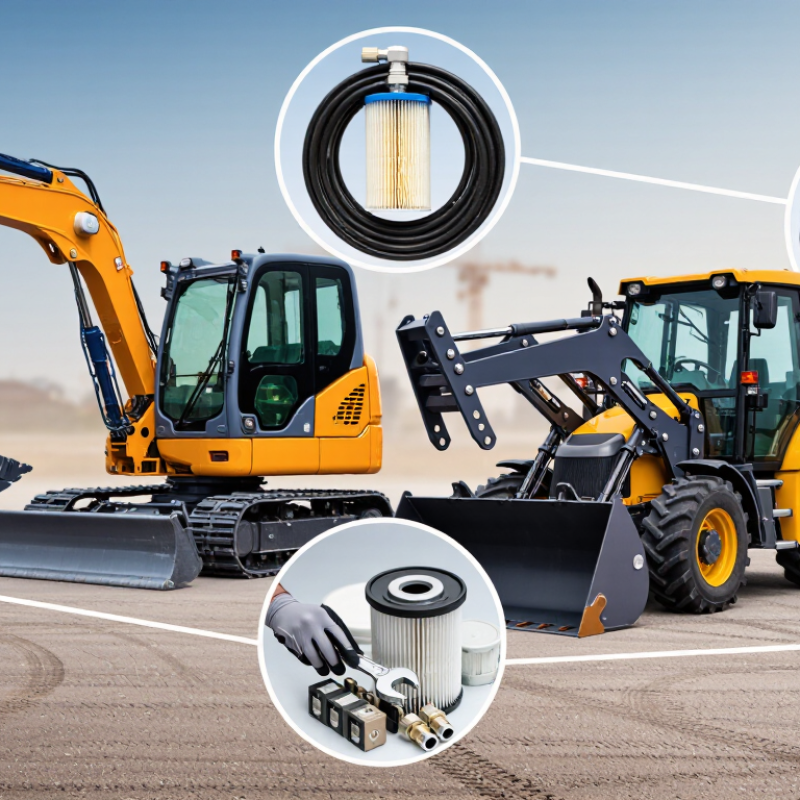
Understand the Hydraulic System and Its Operating Requirements
Before maintaining a hydraulic system, understand what the machine is designed to do. Check the equipment manual for its specified fluid, pressure range, flow rate, and operating temperature. These requirements can differ between machines and attachments. A breaker, for example, may need a different flow setting than a bucket. Guessing can cause sluggish movement, excess heat, or premature wear.
Trace how oil moves through the reservoir, pump, control valves, hoses, and cylinders. This makes it easier to connect symptoms with possible causes. A warm hose near a valve may point to restricted flow, while slow cylinder movement can have several explanations. Not always obvious. Check fluid level and condition on level ground, using the procedure in the manual. Look for foaming, a burnt smell, or metal particles, and record changes rather than relying on memory.
Pay attention to the machine’s actual working conditions. Long cycles in hot weather can raise fluid temperature, while cold starts may make oil sluggish. Let the system warm as specified before heavy work, and avoid holding a control against its stop longer than necessary. Small details matter. Operators sometimes treat every change in sound as a fault, but noise alone is not a diagnosis. Compare the symptom with normal operation, check for leaks or loose connections, and stop work if movement becomes erratic or unsafe.
Check Hydraulic Fluid Levels and Condition Regularly
Check hydraulic fluid before each shift, while the machine is parked on level ground and attachments are lowered. Use the procedure in the equipment manual; reservoir readings can change with cylinder position and fluid temperature. Look for a falling level, cloudy fluid, foam, or a burnt smell. Small clues matter. A low reading may point to a leak, not simply fluid consumption, so inspect hose connections and the ground beneath the machine. Use a clean sampling container and never return sampled fluid to the reservoir.
Fluid condition matters as much as quantity. Machinery Lubrication has cited industry estimates that contamination contributes to roughly 70–80% of hydraulic-system failures; the figure is not a prediction for every machine, but it shows why clean handling matters. Follow the fluid supplier’s and equipment maker’s specifications, and keep dust out when opening the reservoir. For a closer check, send a representative sample to a qualified laboratory. Ask for particle counts reported against ISO 4406, plus water and wear-metal results where appropriate. A dark color alone cannot confirm whether fluid is usable. I have seen that assumption lead to premature changes—and missed contamination. Record readings, top-ups, and sample results with the machine’s hours; patterns are easier to spot than one isolated check.
5 Best Hydraulic Maintenance Tips for Construction Equipment - Check Hydraulic Fluid Levels and Condition Regularly
| Tip |
What to Check |
Suggested Timing |
Good Practice |
When to Take Action |
| 1. Check the fluid level |
Read the reservoir sight gauge or dipstick and look for a level outside the specified operating range. |
Before each shift, or at the interval specified in the equipment manual. |
Park on level ground and position the machine and attachments as directed by the manufacturer. Allow fluid to settle before reading. |
If the level is low, inspect for leaks and add only the fluid type specified for the machine. Do not overfill. |
| 2. Inspect fluid appearance and odor |
Look for cloudiness, persistent foam, unusual discoloration, or a burnt odor. Appearance alone cannot confirm fluid condition. |
During routine level checks; use fluid analysis when condition is uncertain or required by the maintenance plan. |
Compare observations with a clean sample of the correct fluid and follow the equipment maker’s inspection guidance. |
Investigate persistent changes, overheating, or poor hydraulic performance. A laboratory analysis can help identify water, wear metals, or other contamination. |
| 3. Look for leaks and damaged components |
Inspect hoses, fittings, cylinders, pump areas, and the reservoir exterior for wet spots, drips, abrasion, or damage. |
Walk around the machine before operation and during routine servicing. |
Use a piece of cardboard or another safe method to locate suspected leaks; never use your hand to search for a pressurized leak. |
Stop and arrange repairs for damaged components or active leaks. Hydraulic fluid escaping under pressure can penetrate skin and cause serious injury. |
| 4. Keep filling and sampling clean |
Check that the fill area, containers, funnels, and sampling equipment are clean and dry. |
Every time fluid is added or a sample is taken. |
Clean around the fill point before opening it, keep containers sealed, and use the specified filtration and sampling procedures. |
If dirt or water may have entered the system, investigate the source and follow the service manual before returning the machine to work. |
| 5. Use the correct fluid and service schedule |
Verify the required fluid specification, viscosity grade, and service interval in the equipment manual. |
Before topping up or changing fluid; review the schedule during planned maintenance. |
Do not mix fluids unless the manufacturer confirms they are compatible. Base fluid changes and analysis intervals on the manual and operating conditions. |
If the fluid type is unknown or incompatible fluids may have been mixed, consult qualified service personnel before operating the equipment. |
Inspect Hoses, Fittings, and Cylinders for Leaks or Damage
5 Best Hydraulic Maintenance Tips for Construction Equipment
Inspect hoses, fittings, and cylinders before each shift, when the equipment is parked safely. Lower attachments, shut down the machine, and relieve hydraulic pressure as the manual directs. Let hot components cool. A small oil film may signal a failing seal, while wet spots or drips need prompt attention. Never search for a leak with your fingers; pressurized fluid can penetrate skin. If a leak is suspected while the system is running, keep clear and have a qualified technician check it using safe procedures.
Look along each hose for cracks, bulges, abrasion, or flattened sections, especially where it bends or rubs against the frame. Check fittings for looseness, corrosion, and fresh oil around the joint. On cylinders, inspect the rod for scratches, pitting, or dried residue near the seal. Even a tiny nick can wear a seal over time. Clean the area with an approved cloth, then recheck it. I sometimes miss faint seepage on a dusty machine, so a quick wipe helps.
Tips: Use cardboard to spot suspected leaks; never use your hand. Record the location and date, and replace damaged parts with correctly specified components. Don’t simply tighten a leaking fitting under pressure. If the source is unclear, stop work and ask a trained technician. A second look can prevent a small defect from becoming downtime.
Keep Components Clean and Monitor System Performance
5 Best Hydraulic Maintenance Tips for Construction Equipment
Keep Components Clean and Monitor System Performance
Dirt is a hydraulic system’s quiet enemy. Before connecting hoses, wipe couplers with a clean, lint-free cloth. Keep open ports capped, and replace damaged caps promptly. Even a small grit particle can score a valve or cylinder surface. Check rod seals for oily rings, dust buildup, or fresh drips. A quick wipe is easy to skip on a busy site, but that is often when contamination gets in.
Tips: Clean around fittings before loosening them. Use cardboard to check for leaks, never your hand. Relieve pressure and follow the equipment manual before servicing any hydraulic component. Record fluid levels and visible leaks during routine inspections.
Watch how the machine behaves, not just what the gauges show. Slower lift cycles, jerky movement, unusual pump noise, or rising operating temperatures can signal trouble. Note when symptoms appear, such as after prolonged digging or in cold morning conditions. Compare pressure and temperature readings with the manufacturer’s service limits; guessing from memory is unreliable. If performance changes suddenly, stop and investigate rather than continuing to work. Sometimes the cause is simple, like a loose connection. Sometimes it is not. That uncertainty deserves a closer check.
Conclusion
Effective hydraulic maintenance starts with understanding how the system works and the operating demands placed on the equipment. Regularly check fluid levels and inspect the fluid for signs of contamination or deterioration. Replace hydraulic fluid and filters at the intervals recommended for the machine, since clean fluid helps protect pumps, valves, and other moving parts from unnecessary wear.
Inspect hoses, fittings, and cylinders for leaks, cracks, loose connections, or other damage, and address problems before they lead to reduced performance or unexpected downtime. Keep components clean so dirt does not enter the system, and monitor operating performance for changes such as unusual noises, slower movement, or inconsistent power. These habits explain why is hydraulic maintenance important for construction equipment: careful, consistent checks help support reliable operation, extend component life, and identify developing issues early.

 Aksurion Hydraulic