2026 Top Challenges in Hydraulic System Maintenance?

Time:2026-07-15 Author:Sophia
0%

Hydraulic systems play a vital role in various industries, from manufacturing to construction. However, the maintenance of these systems presents numerous challenges. Understanding what challenges exist in hydraulic system maintenance is essential for ensuring operational efficiency and safety.

One significant issue is the complexity of hydraulic components. Each part relies on the proper function of others. Failure in one area can lead to cascading problems, resulting in extensive downtime. Identifying leaks, contaminants, and faulty parts requires trained technicians with specialized knowledge.

Regular maintenance routines are often neglected due to time constraints or a lack of resources. This oversight can lead to equipment breakdowns and costly repairs. Addressing these challenges demands careful planning and proactive measures. Developing a reliable maintenance strategy is crucial for overcoming these obstacles and ensuring the longevity of hydraulic systems.
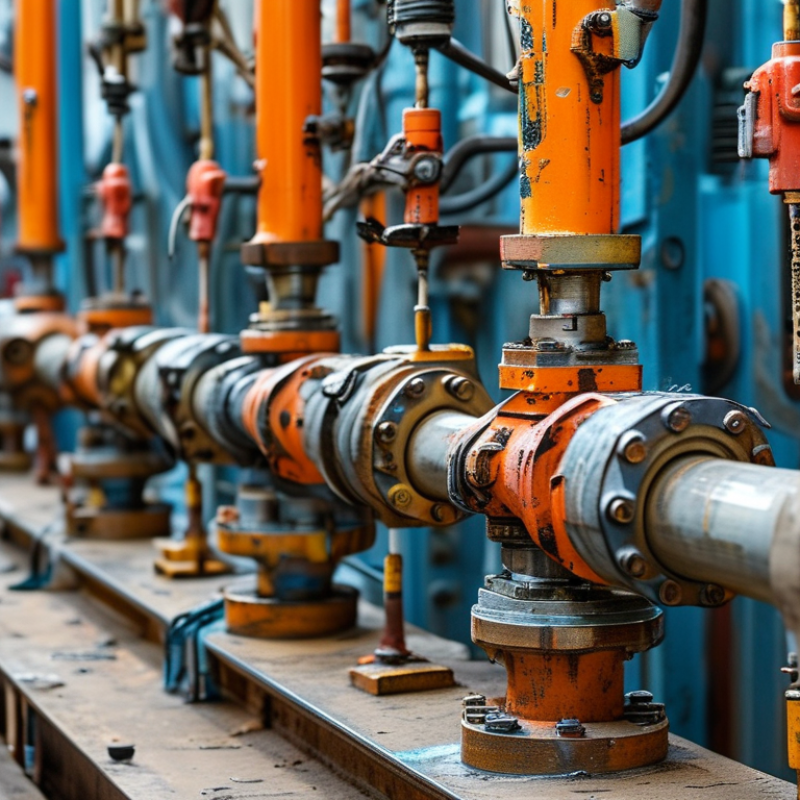
2026 Top Challenges in Hydraulic System Maintenance?

Overview of Hydraulic System Maintenance Challenges in 2026

In 2026, hydraulic system maintenance presents unique challenges that can significantly affect operational efficiency. Data from industry reports indicate that approximately 40% of hydraulic failures stem from inadequate maintenance practices. This statistic emphasizes the need for continuous training and skill development among technicians to ensure they are familiar with evolving technologies and best practices.


One critical challenge is the increasing complexity of hydraulic systems. Newer systems often incorporate advanced materials and digital controls, complicating troubleshooting and repairs. Approximately 30%% of maintenance professionals report insufficient knowledge about these innovations. Regular training sessions can help close these knowledge gaps, but companies often overlook this necessity.


Moreover, predicting maintenance needs remains a substantial hurdle. Unplanned outages can lead to costly downtime, with some industries losing up to $1 million per hour when systems fail. Enhanced data analytics and IoT integration can mitigate this issue, yet many firms still rely on outdated maintenance schedules. Hence, embracing preventive maintenance strategies must be prioritized to avert significant operational setbacks.

Key Factors Influencing Hydraulic System Reliability and Performance

Hydraulic systems play a vital role in various industries, influencing factors like reliability and performance. One study revealed that up to 30% of hydraulic system failures result from improper maintenance practices. This suggests a significant opportunity for improvement and expertise in maintaining these systems effectively.

Regular inspection and monitoring are essential. Data shows that neglected hydraulic systems can lead to a decrease in overall efficiency by 15-25%. Furthermore, the choice of fluid quality significantly affects system longevity. Using substandard fluids can accelerate wear and corrosion, contributing to failures. Optimizing fluid maintenance can enhance performance, yet, surprisingly, many operators overlook this critical aspect.

Training personnel is also crucial. A report highlighted that up to 50% of hydraulic failures stem from human error. Properly trained technicians can identify potential issues early, reducing costly downtimes. Fostering a culture of continuous learning within maintenance teams can pay dividends in reliability. There is room for growth in adopting best practices, and reflection on maintenance habits can drive significant improvements in system performance.

Common Failures in Hydraulic Systems and Their Impact on Operations

Hydraulic systems play a critical role in various industries, but they face notable challenges. Common failures can disrupt operations, leading to downtime and financial losses. Leaks, for example, often occur in hoses and fittings. Such failures can result in fluid loss and reduced pressure, affecting machine performance. Inadequate maintenance can exacerbate these issues, making timely inspections essential.

Understanding the impact of these failures is vital. A single malfunction can halt production. Personnel must be trained to identify early warning signs. This practice minimizes risks and enhances system reliability. Regular checks help in spotting wear and tear before they escalate.

Tips: Implement a routine maintenance schedule. This ensures timely identification of issues. Encourage staff to report unusual sounds or vibrations immediately. Knowledge sharing can foster a culture of caution that extends beyond routine maintenance. Pay attention to fluid levels and contamination; even small changes can indicate deeper issues.

Emerging Technologies in Hydraulic Maintenance for Improved Efficiency

The hydraulic maintenance sector is witnessing a transformative shift through emerging technologies. Predictive analytics, for instance, is becoming vital for equipment longevity. According to industry reports, over 60% of hydraulic system failures result from inadequate maintenance. By leveraging data analytics, operators can predict when a system might fail. This shift from reactive to proactive maintenance cuts downtime and costs.

Another key area is the use of IoT devices. These innovations provide real-time data on system performance. A recent survey indicated that companies employing IoT technologies report a 30% increase in efficiency. However, integration challenges persist. Not all organizations are equipped to manage the data influx effectively. Training and system upgrades become crucial yet often overlooked areas that require attention.

Automation is also gaining traction in hydraulic systems. Automated diagnostics can streamline routine checks. This advancement reduces human error. Yet, the reliance on technology must be balanced. Over-dependence may lead to a skills gap among technicians. Addressing this gap is essential for optimizing the maintenance process while ensuring safety and reliability.

2026 Top Challenges in Hydraulic System Maintenance

Best Practices for Proactive Hydraulic System Maintenance and Troubleshooting

Hydraulic systems are vital in various industries. Their maintenance is crucial for operational efficiency. Regular inspections can help identify issues early. It is important to check fluid levels regularly. Contaminated fluid can lead to severe problems, including equipment failure. Use proper filtration techniques to maintain fluid quality.

Listen to your hydraulic systems. Unusual noises often indicate potential issues. Consider routine training for your team. Knowledge about system components improves troubleshooting skills. Documenting maintenance activities creates a reliable history of your system's health.

Don’t ignore minor leaks. They could escalate into major failures. Proactive measures require a commitment to ongoing education. Investing in workshops can enhance your team's understanding of hydraulic principles. The complexity of these systems demands that every part be carefully monitored. Continuous improvement should be the goal.

2026 Top Challenges in Hydraulic System Maintenance

Challenge Impact Level Best Practice Frequency of Issues
Contamination of Fluid High Regular fluid testing and filtration Monthly
Leakages in System Medium Routine inspections and prompt repairs Weekly
Component Wear and Tear High Scheduled maintenance and replacements Bi-Annually
Overheating Medium Monitor temperature and enhance cooling systems Monthly
Inadequate Training High Regular training sessions for staff Annually

FAQS

: What percentage of hydraulic failures is due to inadequate maintenance?

: Approximately 40% of hydraulic failures arise from inadequate maintenance practices.

Why is training important for maintenance technicians?

Continuous training helps technicians understand evolving technologies and best practices crucial for efficient maintenance.

What complicates troubleshooting and repairs in newer hydraulic systems?

New systems often use advanced materials and digital controls, making maintenance more complex.

What percentage of maintenance professionals lack knowledge about new system technologies?

About 30% of maintenance professionals report insufficient knowledge regarding these technological advancements.

What is a significant consequence of unplanned outages?

Unplanned outages can lead to costly downtime, with losses reaching $1 million per hour in some industries.

How can predictive analytics benefit hydraulic maintenance?

Predictive analytics helps operators foresee potential failures, reducing downtime and cutting costs associated with repairs.

What advantage do IoT devices provide in hydraulic systems?

IoT devices offer real-time performance data, leading to improved efficiency among firms that use them.

What is a challenge organizations face with IoT integration?

Many organizations struggle to manage the large volume of data generated by IoT devices effectively.

How does automation impact hydraulic system diagnostics?

Automation streamlines routine checks and minimizes human error but needs careful balance to avoid skills gaps.

What should firms prioritize to enhance maintenance strategies?

Companies must focus on preventive maintenance strategies to avoid significant operational setbacks.

Conclusion

In 2026, hydraulic system maintenance faces several significant challenges that need to be addressed to ensure optimal performance and reliability. Key factors influencing hydraulic system reliability include aging components, environmental conditions, and the complexity of hydraulic networks. Common failures, such as leaks, pump malfunctions, and contamination, can severely impact operational efficiency and lead to costly downtime. To overcome these challenges, adopting emerging technologies that enhance maintenance protocols is crucial.

By leveraging advanced monitoring systems and predictive maintenance techniques, operators can identify potential issues before they escalate. Best practices for proactive maintenance involve regular inspections, thorough training for maintenance personnel, and a focus on system cleanliness. Ultimately, understanding what challenges exist in hydraulic system maintenance enables organizations to implement effective strategies that improve system longevity and operational success.

Sophia

Sophia

Sophia is a dedicated marketing professional with an exceptional depth of knowledge about her company's products and services. With a keen understanding of market trends and customer needs, she crafts insightful blog posts that not only inform but also engage readers, enriching the company’s online......